Back to Network





4
Shared Docs
3
Same-Page
4 / 5
Mentions
Document Mentions (4 shared documents)
3 mentions1 same-page
Page ?Same page
udicial SO EFTA00299070 process," id., which prohibits "parties from deliberately changing positions according to the exigencies of the moment." New Hampshire v. Maine, 532 U.S. 742, 749-50 (2001). "Stated simply, the doctrine of judicial estoppel rests on the principle that "absent any good explanation,
nce value, the Government's 42 EFTA00299062 enforcement priorities, and the case's relationship to the Government's overall enforcement plan..." Wayte v. United States, 470 U.S. 598, 607 (1985). As such, the decision to prosecute is "particularly ill-suited to judicial review." Id. "Few subjects ar
ervices B. Y., 818 F.3d 733, 741 (D.C.Cir. 2016), quoting Newman v United States, 382 F.2d 479, 480 (D.C.Cir. 1967). As the Supreme Court noted in Wayte, "[j]udicial supervision in this area, moreover, entails systemic costs of particular concern. Examining the basis of a prosecution delays the crim
2 mentions1 same-page
Page ?Same page
ir. 2002) (citation omitted). Judicial estoppel prohibits "parties from deliberately changing positions according to the exigencies of the moment." New Hampshire v. Maine, 532 U.S. 742, 749-50 (2001). The Eleventh Circuit has identified three factors to be considered in determining whether to apply the equit
ment's enforcement policy. All these are substantial concerns that make the courts properly hesitant to examine the decision whether to prosecute. Wayte v. United States, 470 U.S. 598, 607-08 (1985); see also Fokker, 818 F.3d at 737-738 (noting the long-settled understandings about the independence o
2 mentions1 same-page
Page ?Same page
ir. 2002) (citation omitted). Judicial estoppel prohibits "parties from deliberately changing positions according to the exigencies of the moment." New Hampshire v. Maine, 532 U.S. 742, 749-50 (2001). The Eleventh Circuit has identified three factors to be considered in determining whether to apply the equit
ment's enforcement policy. All these are substantial concerns that make the courts properly hesitant to examine the decision whether to prosecute. Wayte v. United States, 470 U.S. 598, 607-08 (1985); see also Fokker, 818 F.3d at 737-738 (noting the long-settled understandings about the independence o
Sponsored
HOUSE_OVERSIGHT_016509 - HOUSE_OVERSIGHT_016551
Article: Criminal Enforcement Redundancy: Oversight of Decisions Not to Prosecute
2 mentions
Page HOUSE_OVERSIGHT_016514
e.g., United States v. Armstrong, 517 U.S. 456, 463-66 (1996) (examining the Equal Protection Clause's prohibition on racially- motivated charging); Wayte v. United States, 470 U.S. 598, 608 (1985) (holding due process bars prosecution in retaliation for exercising fundamental rights); Kolender v. Lawso
Page: HOUSE_OVERSIGHT_016514 →Page HOUSE_OVERSIGHT_016522
on the approval from a state prosecutor or a judge. *° Rhode Island authorizes private prosecutions only for misdemeanors. 8’ Under state common law, New Hampshire might permit the same for nonjailable offenses. °° Beyond that, judges in many states can issue an arrest warrant or criminal summons based on a priv
Page: HOUSE_OVERSIGHT_016522 →Sponsored
Mutual Connections (190)
Entities connected to both New Hampshire and Wayte
Jeffrey Epstein
PERSON333 w/ New·17 w/ Wayte
Marc Rich
PERSON156 w/ New·3 w/ Wayte
Department of Justice
ORGANIZATION110 w/ New·12 w/ Wayte
Donald Trump
PERSON117 w/ New·4 w/ Wayte
United States
LOCATION94 w/ New·17 w/ Wayte
Prince Andrew
PERSON99 w/ New·8 w/ Wayte
George W. Bush
PERSON94 w/ New·9 w/ Wayte
LB
Leon Black
PERSON89 w/ New·13 w/ Wayte
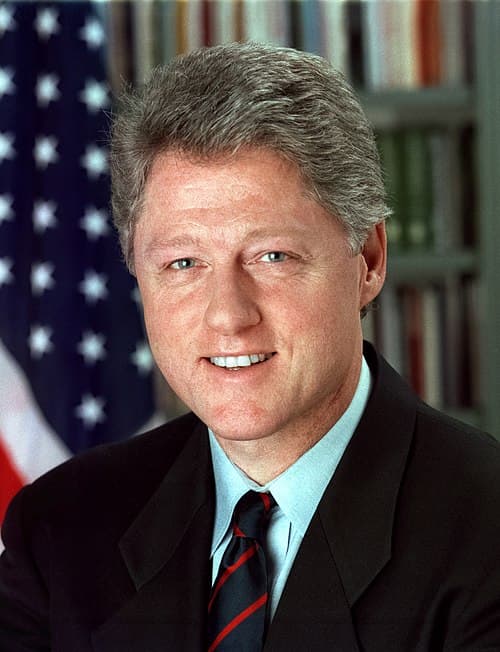
Bill Clinton
PERSON92 w/ New·3 w/ Wayte
Virginia Giuffre
PERSON84 w/ New·2 w/ Wayte
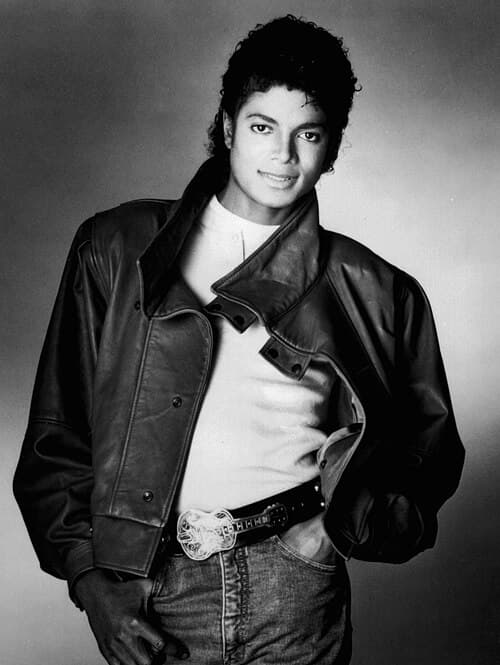
Michael Jackson
PERSON75 w/ New·10 w/ Wayte
the Southern District
LOCATION64 w/ New·12 w/ Wayte
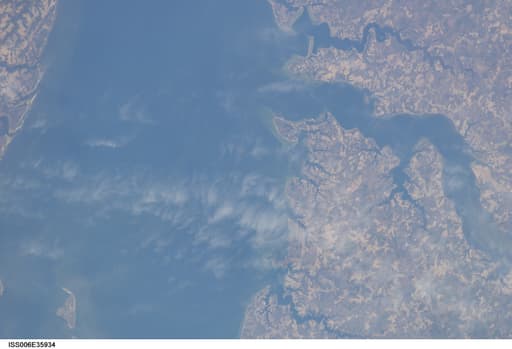
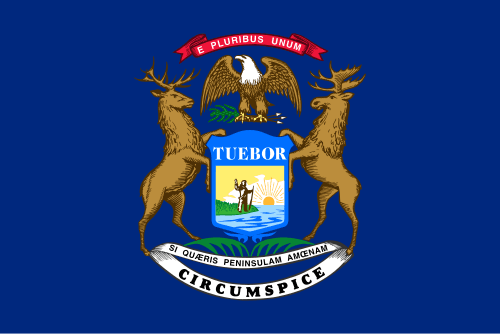
Michigan
LOCATION66 w/ New·5 w/ Wayte
Julie K. Brown
PERSON66 w/ New·2 w/ Wayte
ET
Emmy Taylor
PERSON53 w/ New·8 w/ Wayte
New York
LOCATION58 w/ New·3 w/ Wayte
Scarlett Johansson
PERSON52 w/ New·7 w/ Wayte
MF
Maria Farmer
PERSON51 w/ New·7 w/ Wayte
FBI
ORGANIZATION53 w/ New·5 w/ Wayte
Wisconsin
LOCATION51 w/ New·2 w/ Wayte