Back to Network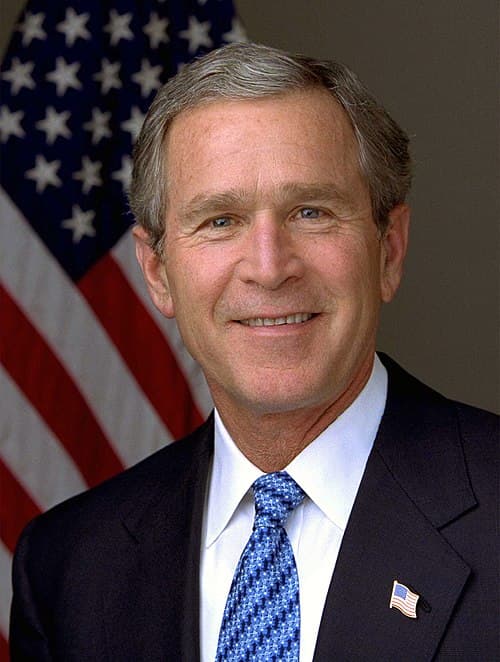



10
Shared Docs
8
Same-Page
18 / 12
Mentions
Document Mentions (10 shared documents)
3 mentions1 same-page
Page ?Same page
China, the state has prevented the publication of full, accurate, or critical accounts of the Great Leap Forward, the Cultural Revolution, or the Mao Ze- dong era in general. In Russia, Joseph Stalin has been rehabilitated. He is now officially portrayed as a strong if mildly flawed leader rather
d to prison.5 • Public confessions: Humiliating public con- fessions of ideological crimes were a staple of Soviet leader Joseph Stalin's purges and Mao Zedong's Cultural Revolution in China They were also employed by Eastern European sat- ellite regimes during the show trials of the late 1940s. A peculiarly
e zones in Syria and Iraq, and it has increasingly drawn on Afghan recruits in addition to Arabs. Iran's regional rivals, chiefly Saudi Arabia and the United Arab Emirates, have responded with more direct foreign interventions of their own, most notably in Yemen. The recent embrace of more overtly repressive policies
3 mentions1 same-page
Page ?Same page
e, but today such a view would be laughed at. The market economy has made Chinese and Indian workers today far more productive than they were under Mao Zedong or Jawaharlal Nehru, India's first prime minister. Societies now accept the simple fact that workers need material incentives to be productive, whi
he Chinese story is reflected in the West's schizophrenic response to it. The Nixon administration eagerly sought better relations with China under Mao, and when Deng Xiaoping doubled down by opening up the country, the West applauded the change. The United States generously accepted Chinese produc
cent. Even some Islamic countries that were initially reluctant to embrace modernization have begun to do so. For example, Qatar, Saudi Arabia, and the United Arab Emirates now feature satellite campuses of major Western universities. One reason for the shift is that the experience of other regions, such as Asia, has s
3 mentions1 same-page
Page ?Same page
economic slowdown has begun to emerge. By creating nationalism and then ignoring it, leaders in Beijing open themselves up to charges of weakness. Mao and Deng, secure in their own command, could brush it off, but Beijing's new technocrats are far less secure within China's immature civil-military
Since Deng Xiaoping's opening up and reform, the Chinese government and people have been consumed with two missions, undoing the damage wrought by Mao Zedong and making money. But as new generations emerge that have no firsthand recollection of Mao's deprivations, this will not be enough. As Abraham Masl
imperative that Morsi harmonize relations between Hamas and the Palestinian Authority, and work to reignite Egypt's relations with Saudi Arabia and the United Arab Emirates. It is notable that officials from these countries have not visited Egypt — even after the elections — despite the fact that Morsi visited Saudi Ara
Sponsored
3 mentions1 same-page
Page ?Same page
part of a series of moves against Huawei by the Trump administration, which has portrayed the Chinese telecoms giant as a national security threat. Mao was initially held without bail in a federal lock-up. The plea is a setback in the federal government's battle against what it alleges is trade-secr
rgian Orthodox Church, Ilia II in Tbilisi; meeting Prime Minister Benjamin Netanyahu in Israel; meeting Abu Dhabi Crown Prince Mohammed bin Zayd in the United Arab Emirates; meeting Emir Tamim bin Hamad Al Thani and Deputy Prime Minister and Foreign Affairs Minister Mohammed bin Abdulrahman Al Thani in Qatar; and meeti
ance / Turkey / Georgia / Israel / UAE / Qatar / Saudi Arabia trip - Secretary of State Mike Pompeo begins trip to France, Turkey, Georgia, Israel, the United Arab Emirates, Qatar, and Saudi Arabia, with agenda, respectively, including meeting President Emmanuel Macron, Foreign Minister Jean-Yves Le Drian, and other sen
3 mentions1 same-page
Page ?Same page
non than Iran. Millions died from forced famine and purges in Stalin's Soviet Union, and tens of millions perished during the Great Leap Forward in Mao Tse-tung's EFTA00630422 China. China's development of a nuclear weapon (it tested its first one in 1964) seemed all the more alarming at the time because of
EFTA00630422 China. China's development of a nuclear weapon (it tested its first one in 1964) seemed all the more alarming at the time because of Mao's openly professed belief that his country could lose half its population in a nuclear war and still come out victorious over capitalism. But deter
India. Moreover, none of the current disputes between Iran and its neighbors (such as the one over ownership of some small islands also claimed by the United Arab Emirates) come close to possessing the nation-defining significance that the Kashmir conflict poses for both Pakistan and India. Nuclear weapons matter inso
3 mentions1 same-page
Page ?Same page
e, but today such a view would be laughed at. The market economy has made Chinese and Indian workers today far more productive than they were under Mao Zedong or Jawaharlal Nehru, India's first prime minister. Societies now accept the simple fact that workers need material incentives to be productive, whi
he Chinese story is reflected in the West's schizophrenic response to it. The Nixon administration eagerly sought better relations with China under Mao, and when Deng Xiaoping doubled down by opening up the country, the West applauded the change. The United States generously accepted Chinese produc
cent. Even some Islamic countries that were initially reluctant to embrace modernization have begun to do so. For example, Qatar, Saudi Arabia, and the United Arab Emirates now feature satellite campuses of major Western universities. One reason for the shift is that the experience of other regions, such as Asia, has s
Sponsored
3 mentions1 same-page
Page ?Same page
part of a series of moves against Huawei by the Trump administration, which has portrayed the Chinese telecoms giant as a national security threat. Mao was initially held without bail in a federal lock-up. The plea is a setback in the federal government's battle against what it alleges is trade-secr
ance / Turkey / Georgia / Israel / UAE / Qatar / Saudi Arabia trip - Secretary of State Mike Pompeo begins trip to France, Turkey, Georgia, Israel, the United Arab Emirates, Qatar, and Saudi Arabia, with agenda, respectively, including meeting President Emmanuel Macron, Foreign Minister Jean-Yves Le Drian, and other sen
rgian Orthodox Church, Ilia II in Tbilisi; meeting Prime Minister Benjamin Netanyahu in Israel; meeting Abu Dhabi Crown Prince Mohammed bin Zayd in the United Arab Emirates; meeting Emir Tamim bin Hamad Al Thani and Deputy Prime Minister and Foreign Affairs Minister Mohammed bin Abdulrahman Al Thani in Qatar; and meeti
2 mentions1 same-page
Page ?Same page
part of a series of moves against Huawei by the Trump administration, which has portrayed the Chinese telecoms giant as a national security threat. Mao was initially held without bail in a federal lock-up. The plea is a setback in the federal government's battle against what it alleges is trade-secr
orgian Orthodox Church, Ilia II in Tbilisi; meeting Prime Minister Benjamin Netanyahu in Israel; meeting Abu Dhabi Crown Prince Mohammed bin Zayd in the United Arab Emirates; meeting Emir Tamim bin Hamad Al Thani and Deputy Prime Minister and Foreign Affairs Minister Mohammed bin Abdulrahman Al Thani in Qatar; and meetin
HOUSE_OVERSIGHT_019233 - HOUSE_OVERSIGHT_019296
FH_Authoritarians_Report_2017.indd
4 mentions
Page HOUSE_OVERSIGHT_019242
In China, the state has prevented the publication of full, accurate, or critical accounts of the Great Leap Forward, the Cultural Revolution, or the Mao Ze- dong era in general. In Russia, Joseph Stalin has been rehabilitated. He is now officially portrayed as a strong if mildly flawed leader rather than as th
Page: HOUSE_OVERSIGHT_019242 →Page HOUSE_OVERSIGHT_019266
ing outright censorship, brought to bear on Russian historians during Soviet times and more recently during the Putin era. China: Evading the past Mao Zedong’s Great Leap Forward ranks among the most deadly politically inspired catastrophes in human history. From 1958 to 1962, Communist Party authorities, u
Page: HOUSE_OVERSIGHT_019266 →ficials have refused to acknowledge anything approaching the full dimen- sions of the tragedy. Nor have they admitted that the party, and especially Mao, were responsible. Often they blame the weather. There are no official monu- ments to the victims, no days of commemoration, no serious histories ava
Page: HOUSE_OVERSIGHT_019266 →Page HOUSE_OVERSIGHT_019289
ttle zones in Syria and Iraq, and it has increasingly drawn on Afghan recruits in addition to Arabs. lran’s regional rivals, chiefly Saudi Arabia and the United Arab Emirates, have responded with more direct foreign interventions of their own, most notably in Yemen. The recent embrace of more overtly repressive policies s
Page: HOUSE_OVERSIGHT_019289 →Sponsored
Page HOUSE_OVERSIGHT_026841
ere, but today such a view would be laughed at. The market economy has made Chinese and Indian workers today far more productive than they were under Mao Zedong or Jawaharlal Nehru, India's first prime minister. Societies now accept the simple fact that workers need material incentives to be productive, which
Page: HOUSE_OVERSIGHT_026841 →Page HOUSE_OVERSIGHT_026843
ercent. Even some Islamic countries that were initially reluctant to embrace modernization have begun to do so. For example, Qatar, Saudi Arabia, and the United Arab Emirates now feature satellite campuses of major Western universities. One reason for the shift is that the experience of other regions, such as Asia, has sho
Page: HOUSE_OVERSIGHT_026843 →Page HOUSE_OVERSIGHT_026844
the Chinese story is reflected in the West's schizophrenic response to it. The Nixon administration eagerly sought better relations with China under Mao, and when Deng Xiaoping doubled down by opening up the country, the West applauded the change. The United States generously accepted Chinese products
Page: HOUSE_OVERSIGHT_026844 →Sponsored
Mutual Connections (1,947)
Entities connected to both Mao Zedong and United Arab Emirates
George W. Bush
PERSON393 w/ Mao·67 w/ United
Jeffrey Epstein
PERSON289 w/ Mao·121 w/ United
Ghislaine Maxwell
PERSON339 w/ Mao·31 w/ United
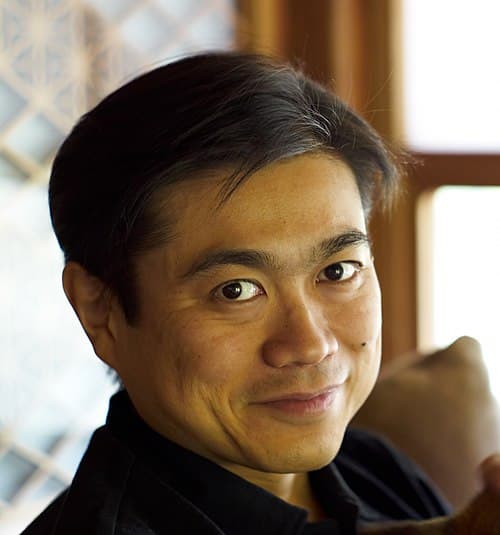
Joi Ito
PERSON279 w/ Mao·9 w/ United
United States
LOCATION148 w/ Mao·78 w/ United
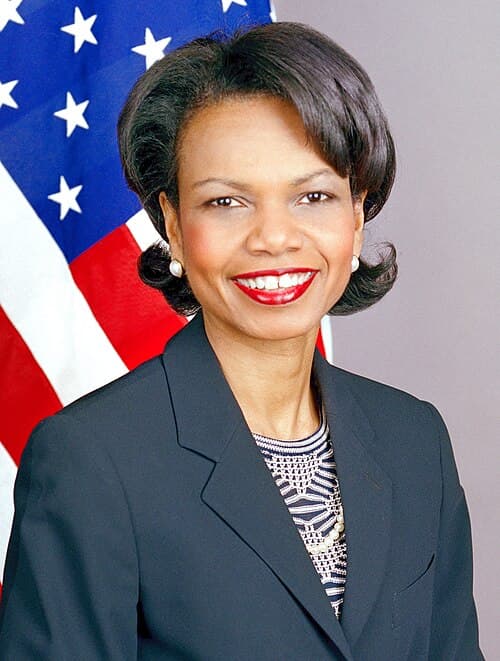
Condoleezza Rice
PERSON150 w/ Mao·26 w/ United
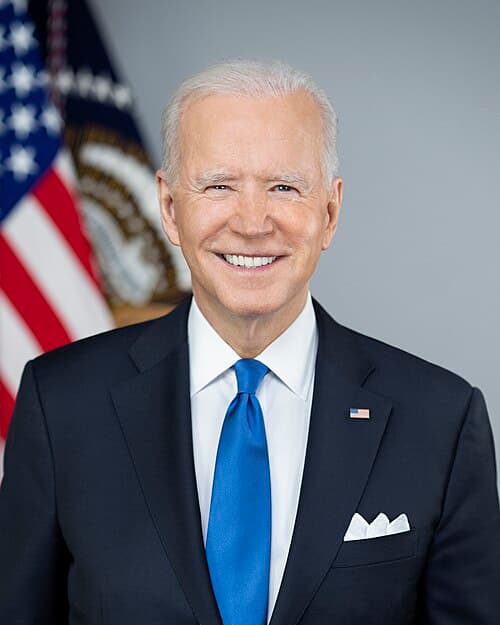
Joe Biden
PERSON109 w/ Mao·63 w/ United
Vicky Ward
PERSON135 w/ Mao·25 w/ United
Alan Dershowitz
PERSON147 w/ Mao·10 w/ United
Marc Rich
PERSON100 w/ Mao·54 w/ United
Bill Clinton
PERSON84 w/ Mao·60 w/ United
LB
Leon Black
PERSON91 w/ Mao·50 w/ United
DB
Doug Band
PERSON127 w/ Mao·13 w/ United
Prince Andrew
PERSON79 w/ Mao·57 w/ United
Xi Jinping
PERSON123 w/ Mao·13 w/ United
Donald Trump
PERSON64 w/ Mao·67 w/ United
MF
Maria Farmer
PERSON101 w/ Mao·25 w/ United
Barack Obama
PERSON45 w/ Mao·80 w/ United
CW
Courtney Wild
PERSON99 w/ Mao·22 w/ United
Prince Charles
PERSON62 w/ Mao·57 w/ United