Back to Network













3
Shared Docs
3
Same-Page
5 / 3
Mentions
Document Mentions (3 shared documents)
3 mentions1 same-page
Page ?Same page
broad, where everyone obtains a share of power and wealth. Perhaps the reformists' aims were too ambitious. For example, in Egypt, after many years Mubarak finally agreed to the idea of amending the constitution; however, by the time the amendments were done, little had changed. The conservatives had
h Abu Ismail, others described a broader reason for the protests: a rising fear that the military council which has ruled Egypt since the ouster of Hosni Mubarak more than a year ago will refuse to cede power to civilian leaders next month. The council, known by its acronym SCAF (Supreme Council of Armed Fo
ion of a presidential candidate on technical grounds. But even as the demonstrators held up posters of their banned candidate, the Salafi preacher Hazem Salah Abu Ismail, others described a broader reason for the protests: a rising fear that the military council which has ruled Egypt since the ouster of Hosni Mubara
3 mentions1 same-page
Page ?Same page
itself are livid at the decision, an eleventh-hour reversal of a longstanding undertaking to stay out of the race to elect a successor to President Hosni Mubarak. Curiously enough, though, the New York Times reports that U.S. official are "untroubled and even optimistic about the Brotherhood's reversal of it
not to seek the presidency". In a vignette of just how much the political landscape has changed since the days when the U.S. pinned its hopes on a Mubarak regime that imprisoned the likes of Shater, the Times reports that the Brotherhood's candidate is in regular contact with U.S. Ambassador Anne Pate
nst the FJP's 38%) in the parliamentary elections that concluded in January. Without a Brotherhood candidate in the race, some officials fear that Hazem Salah Abu Ismail, the charismatic Salafist presidential hopeful who talks of emulating Iran's theocratic political system and of ending the peace treaty with Israel
2 mentions1 same-page
Page ?Same page
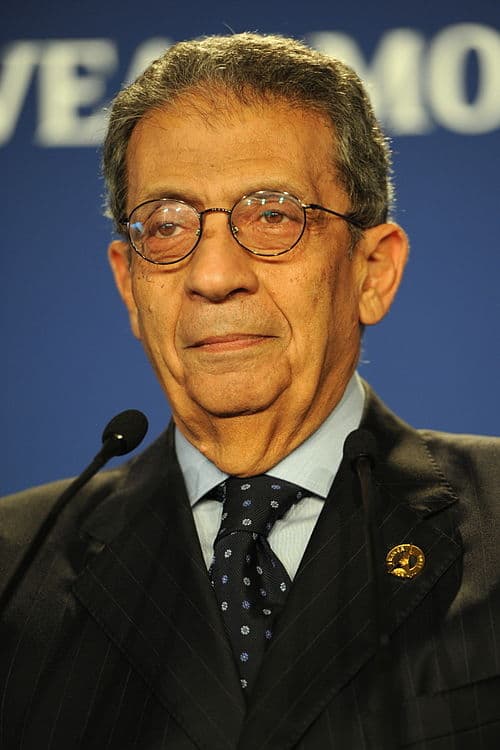
tary-General of the Arab League and a long-serving member of the Mubarak Government (including as Foreign Minister), later became a detractor of the Mubarak regime. Abul Futuh, an Islamist, recently deserted the Muslim Brotherhood and, given his prominence, his departure has the potential to split the M
ecently deserted the Muslim Brotherhood and, given his prominence, his departure has the potential to split the Muslim Brotherhood vote. Similarly, Hazem Salah Abu Ismail, a lawyer and Islamic scholar, is the candidate favored by young Salafis, but lacking a broader base, his established party, Al Now, does not suppor
Sponsored
Mutual Connections (16)
Entities connected to both Hosni Mubarak and Hazem Salah Abu Ismail
Barack Obama
PERSON139 w/ Hosni·3 w/ Hazem
Bashar al-Assad
PERSON122 w/ Hosni·3 w/ Hazem
Cairo
LOCATION107 w/ Hosni·2 w/ Hazem
Benjamin Netanyahu
PERSON98 w/ Hosni·2 w/ Hazem
United States
LOCATION96 w/ Hosni·2 w/ Hazem
Yemen
LOCATION88 w/ Hosni·2 w/ Hazem
Terje Rod-Larsen
PERSON80 w/ Hosni·3 w/ Hazem
Damascus
LOCATION80 w/ Hosni·2 w/ Hazem
Bahrain
LOCATION57 w/ Hosni·2 w/ Hazem
Amr Moussa
PERSON29 w/ Hosni·3 w/ Hazem
Ramallah
LOCATION28 w/ Hosni·2 w/ Hazem
Algeria
LOCATION23 w/ Hosni·2 w/ Hazem
United Nations
ORGANIZATION17 w/ Hosni·2 w/ Hazem
Kofi Annan
PERSON17 w/ Hosni·2 w/ Hazem
South
LOCATION13 w/ Hosni·2 w/ Hazem
AI
Abu Ismail
PERSON2 w/ Hosni·2 w/ Hazem