Back to Network








8
Shared Docs
8
Same-Page
8 / 8
Mentions
Document Mentions (8 shared documents)
2 mentions1 same-page
Page ?Same page
ge is rooted in the imperative for confidence and trust, the evidentiary benefit of the denial of the privilege, and any consensus among the states, Jaffee' Redmond, 518 U.S. 1, 10-15, 116 S. Ct. 1923, 1928-31 (1996)—but none of these considerations weighs in favor of recognizing a new privilege to pre
lea negotiations is not clearly erroneous. Disclosure of work-product materials to an adversary waives the work-product privilege. See, e.g., In re Chrysler Motors Corp. Overnight Evaluation Program Litig., 860 F.2d 844, 846 (8th Cir. 1988); In re Doe, 662 F.2d 1073, 1081-82 (4th Cir. 1981). Even if it shared the co
2 mentions1 same-page
Page ?Same page
ge is rooted in the imperative for confidence and trust, the evidentiary benefit of the denial of the privilege, and any consensus among the states, Jaffee' Redmond, 518 U.S. 1, 10-15, 116 S. Ct. 1923, 1928-31 (1996)—but none of these considerations weighs in favor of recognizing a new privilege to pre
lea negotiations is not clearly erroneous. Disclosure of work-product materials to an adversary waives the work-product privilege. See, e.g., In re Chrysler Motors Corp. Overnight Evaluation Program Litig., 860 F.2d 844, 846 (8th Cir. 1988); In re Doe, 662 F.2d 1073, 1081-82 (4th Cir. 1981). Even if it shared the co
2 mentions1 same-page
Page ?Same page
ge is rooted in the imperative for confidence and trust, the evidentiary benefit of the denial of the privilege, and any consensus among the states, Jaffee v. Redmond, 518 U.S. 1, 10-15, 116 S. Ct. 1923, 1928-31 (1996)—but none of these considerations weighs in favor of recognizing a new privilege to p
lea negotiations is not clearly erroneous. Disclosure of work-product materials to an adversary waives the work-product privilege. See, e.g., In re Chrysler Motors Corp. Overnight Evaluation Program Litig., 860 F.2d 844, 846 (8th Cir. 1988); In re Doe, 662 F.2d 1073, 1081-82 (4th Cir. 1981). Even if it shared the co
Sponsored
2 mentions1 same-page
Page ?Same page
ge is rooted in the imperative for confidence and trust, the evidentiary benefit of the denial of the privilege, and any consensus among the states, Jaffee'. Redmond, 518 U.S. 1, 10-15, 116 S. Ct. 1923, 1928-31 (1996)—but none of these considerations weighs in favor of recognizing a new privilege to pr
lea negotiations is not clearly erroneous. Disclosure of work-product materials to an adversary waives the work-product privilege. See, e.g., In re Chrysler Motors Corp. Overnight Evaluation Program Litig., 860 F.2d 844, 846 (8th Cir. 1988); In re Doe, 662 F.2d 1073, 1081-82 (4th Cir. 1981). Even if it shared the co
2 mentions1 same-page
Page ?Same page
hip, unlike the confiden- tial relationship of a doctor and patient or attorney and client, warrants no privilege beyond the terms of Rule 410. See Jaffee, 518 U.S. at 10, 116 S.Ct. at 1928. But the victims would enjoy an evidentiary benefit from the disclosure of plea negotiations to prove whether t
voluntarily States during the plea negotiations is not work-product materials to an adversary waives the work-product privilege. See, e.g., In re Chrysler Motors Corp. Overnight Evaluation Program Litig., 860 F.2d 844, 846 (8th Cir.1988); In re Doe, 662 F.2d 1073, 1081-82 (4th Cir.1981). Even if it shared the com
2 mentions1 same-page
Page ?Same page
nship, unlike the confidential relationship of a doctor and patient or attorney and client, warrants no privilege beyond the terms of Rule 410. See Jaffee, 518 U.S. at 10. But the victims would enjoy an evidentiary benefit from the disclosure of plea negotiations to prove whether the United States vio
use plea discussions are not confidential: Disclosure of work-product materials to an adversary waives the work-product privilege. See, e.g., In re Chrysler Motors Corp. Overnight Evaluation Program Litig., 860 F.2d 844, 846 (8th Cir. 1988); In re Doe, 662 F.2d 1073, 1081-82 (4th Cir. 1981). Even if it shared the co
Sponsored
2 mentions1 same-page
Page ?Same page
nship. unlike the confidential relationship of a doctor and patient or attorney and client, warrants no privilege beyond the terms of Rule 410. See Jaffee, 518 M. at 10. But the victims would enjoy an evidentiary benefit from the disclosure of plea negotiations to prove whether the United States violat
e plea discussions are not confidential: Disclosure of work-product materials to an adversary• waives the work-product privilege. See. e.g., In re Chrysler Motors Corp. Overnight Evaluation Program Litig.. 86012.2d 844, 846 (8th Cir. 1988); In re Doe, 662 F.2d 1073. 1081-82 (4th Cir. 1981). Even if it shared the com
2 mentions1 same-page
Page ?Same page
ionship, unlike the confidential relationship of a doctor and patent or attorney and client, warrants no privilege beyond the terms of Rtle 410. See Jaffee. 518 U.S. at 10, 116 S. Cf. at 1928. But the victims would enjoy an evidentiary benefit from the disclosure of plea negotiations to prove whether th
ed, for example, the work product argument: Disclosure of work-product materials to an adversarywaives the work-product privilege. See, e.g., In re Chrysler Motors Corp. Overnight Evaluation Program Litig., 860 F.2d 844, 846 (8th Cir. 1988); In re Doe, 662 F2d 1073, 1081-82 (4th Cir. 1981). Even if it shared the com
Sponsored
Mutual Connections (131)
Entities connected to both Jaffee and Chrysler Motors Corp.
Jeffrey Epstein
PERSON33 w/ Jaffee·11 w/ Chrysler
JD
Jane Doe
PERSON25 w/ Jaffee·10 w/ Chrysler
United States
LOCATION20 w/ Jaffee·10 w/ Chrysler
Bradley Edwards
PERSON20 w/ Jaffee·10 w/ Chrysler
LB
Leon Black
PERSON20 w/ Jaffee·10 w/ Chrysler
RB
Roy Black
PERSON16 w/ Jaffee·10 w/ Chrysler
MW
Martin Weinberg
PERSON17 w/ Jaffee·8 w/ Chrysler
Kenneth Marra
PERSON16 w/ Jaffee·5 w/ Chrysler
the Southern District
LOCATION13 w/ Jaffee·8 w/ Chrysler
FBI
ORGANIZATION11 w/ Jaffee·8 w/ Chrysler
Redmond
PERSON13 w/ Jaffee·4 w/ Chrysler
Federal Rule of Evidence 410
ORGANIZATION9 w/ Jaffee·8 w/ Chrysler
Paul Cassell
PERSON11 w/ Jaffee·5 w/ Chrysler
George W. Bush
PERSON11 w/ Jaffee·5 w/ Chrysler
JG
Jack Goldberger
PERSON12 w/ Jaffee·3 w/ Chrysler
Evaluation Program Litig
ORGANIZATION7 w/ Jaffee·7 w/ Chrysler
Donald Trump
PERSON11 w/ Jaffee·3 w/ Chrysler
Julie K. Brown
PERSON8 w/ Jaffee·6 w/ Chrysler
Supreme Court
ORGANIZATION10 w/ Jaffee·4 w/ Chrysler
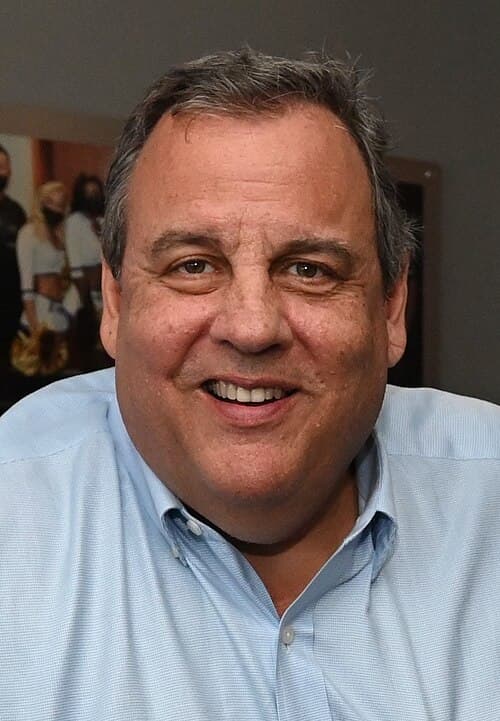
Chris Christie
PERSON8 w/ Jaffee·5 w/ Chrysler