Back to Network












4
Shared Docs
4
Same-Page
6 / 4
Mentions
Document Mentions (4 shared documents)
3 mentions1 same-page
Page ?Same page
AI—from Alison Gopnik and David Deutsch to Frank Wilczek and Stephen Wolfram— Deep Thinking 1s an ideal in
ry of Brockman’s profound engagement with the most important scientific minds who have been thinking about AI—from Alison Gopnik and David Deutsch to Frank Wilczek and Stephen Wolfram— Deep Thinking 1s an ideal introduction to the landscape of crucial issues AI presents. The collision between opposing perspecti
owing it to detect dissent and subversion as it arises and make resistance to state power futile. Orwell’s telescreens are the prototype, and in 1976 Joseph Weizenbaum, one of the gloomiest tech prophets of all time, warned my class of graduate students not to pursue automatic speech recognition because government s
2 mentions1 same-page
Page ?Same page
ied to children and the disabled.*° What prevents extension to other animals, organoids, machines, and hybrids? As we (e.g., Hawking, Musk, Tallinn, Wilczek, Tegmark) have promoted bans on “autonomous weapons,” we have demonized one type of “dumb” machine, while other machines—for instance, those composed
e; the Fair Access to Science and Technology Research Act (FASTR); and the Open Humans Foundation. In his 1976 book Computer Power and Human Reason, Joseph Weizenbaum argued that machines should not replace Homo in situations requiring respect, dignity, or care, while others (author Pamela McCorduck and computer sc
Sponsored
Mutual Connections (704)
Entities connected to both Frank Wilczek and Joseph Weizenbaum
Jeffrey Epstein
PERSON100 w/ Frank·2 w/ Joseph
Lawrence Krauss
PERSON79 w/ Frank·2 w/ Joseph
Stephen Hawking
PERSON63 w/ Frank·10 w/ Joseph
Prince Andrew
PERSON41 w/ Frank·7 w/ Joseph
Eric Trump
PERSON35 w/ Frank·5 w/ Joseph
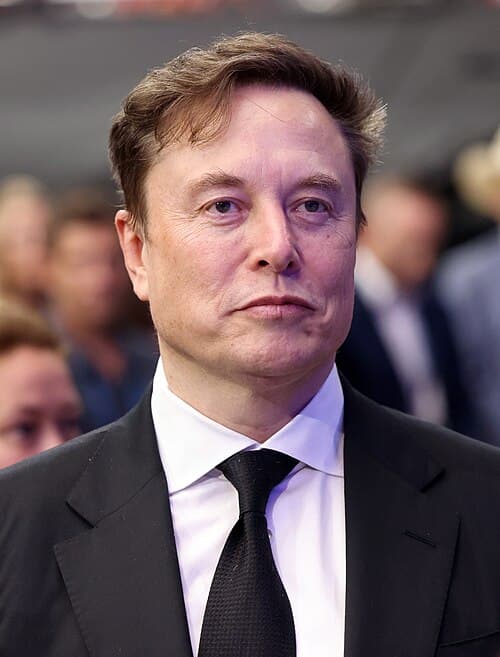
Elon Musk
PERSON35 w/ Frank·4 w/ Joseph
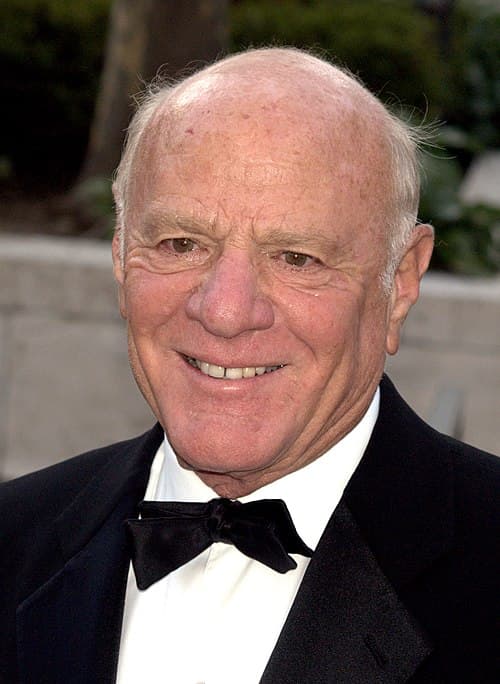
Barry Diller
PERSON27 w/ Frank·6 w/ Joseph
Joe Biden
PERSON28 w/ Frank·4 w/ Joseph
Alan Dershowitz
PERSON25 w/ Frank·7 w/ Joseph
George W. Bush
PERSON25 w/ Frank·6 w/ Joseph
Marc Rich
PERSON20 w/ Frank·10 w/ Joseph
John Brockman
PERSON26 w/ Frank·4 w/ Joseph
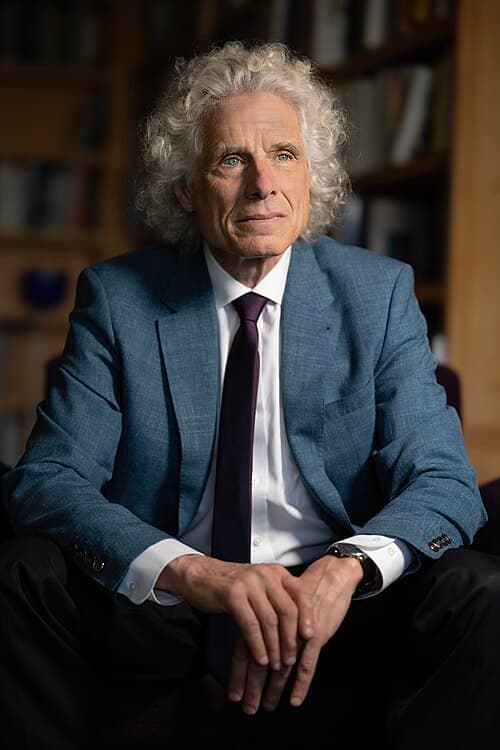
Steven Pinker
PERSON25 w/ Frank·3 w/ Joseph
MF
Maria Farmer
PERSON26 w/ Frank·2 w/ Joseph
Richard Dawkins
PERSON24 w/ Frank·2 w/ Joseph
Marvin Minsky
PERSON21 w/ Frank·5 w/ Joseph
Samantha Power
PERSON15 w/ Frank·10 w/ Joseph
Woody Allen
PERSON19 w/ Frank·5 w/ Joseph
Max Tegmark
PERSON22 w/ Frank·2 w/ Joseph
Donald Trump
PERSON21 w/ Frank·2 w/ Joseph