Back to Network















4
Shared Docs
4
Same-Page
4 / 4
Mentions
Document Mentions (4 shared documents)
2 mentions1 same-page
Page ?Same page
lision between opposing perspectives is salutary and exhilarating; some of these figures, such as computer scientist Stuart Russell, Skype co-founder Jaan Tallinn, and physicist Max Tegmark, are deeply concerned with the threat of AI, including the existential one, while others, notably robotics entrepreneur Ro
ons” (as Kant put it) presented to them. It is important that we keep it that way, which will take some doing. One of the flaws in Weizenbaum’s book Computer Power and Human Reason, something I tried in vain to convince him of in many hours of discussion, is that he could never decide which of two theses he wanted to defend: AJ
2 mentions1 same-page
Page ?Same page
n a panel during the “GUEST, GHOST, HOST: MACHINE!” Serpentine event that took place at London’s new City Hall. We were joined by Venki Ramakrishnan, Jaan Tallinn, and Andrew Blake, research director of The Alan Turing Institute. The event was consistent with HUO’s mission of bringing together art and science:
e” software, hardware, and wetware; the Fair Access to Science and Technology Research Act (FASTR); and the Open Humans Foundation. In his 1976 book Computer Power and Human Reason, Joseph Weizenbaum argued that machines should not replace Homo in situations requiring respect, dignity, or care, while others (author Pamela McCord
2 mentions1 same-page
Page ?Same page
lision between opposing perspectives is salutary and exhilarating; some of these figures, such as computer scientist Stuart Russell, Skype co-founder Jaan Tallinn, and physicist Max Tegmark, are deeply concerned with the threat of AI, including the existential one, while others, notably robotics entrepreneur Ro
ons” (as Kant put it) presented to them. It is important that we keep it that way, which will take some doing. One of the flaws in Weizenbaum’s book Computer Power and Human Reason, something I tried in vain to convince him of in many hours of discussion, is that he could never decide which of two theses he wanted to defend: AJ
Sponsored
2 mentions1 same-page
Page ?Same page
n a panel during the “GUEST, GHOST, HOST: MACHINE!” Serpentine event that took place at London’s new City Hall. We were joined by Venki Ramakrishnan, Jaan Tallinn, and Andrew Blake, research director of The Alan Turing Institute. The event was consistent with HUO’s mission of bringing together art and science:
e” software, hardware, and wetware; the Fair Access to Science and Technology Research Act (FASTR); and the Open Humans Foundation. In his 1976 book Computer Power and Human Reason, Joseph Weizenbaum argued that machines should not replace Homo in situations requiring respect, dignity, or care, while others (author Pamela McCord
Sponsored
Mutual Connections (688)
Entities connected to both Jaan Tallinn and Computer Power and Human Reason
Frank Wilczek
PERSON19 w/ Jaan·4 w/ Computer
John Brockman
PERSON13 w/ Jaan·4 w/ Computer
David Kaiser
PERSON13 w/ Jaan·4 w/ Computer
Stuart Russell
PERSON13 w/ Jaan·4 w/ Computer
Daniel Dennett
PERSON12 w/ Jaan·4 w/ Computer
George W. Bush
PERSON11 w/ Jaan·5 w/ Computer
WI
Wiener
PERSON10 w/ Jaan·4 w/ Computer
Elon Musk
PERSON9 w/ Jaan·4 w/ Computer
Hans Ulrich Obrist
PERSON9 w/ Jaan·4 w/ Computer
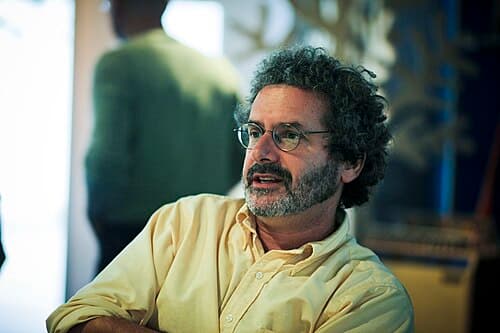
Neil Gershenfeld
PERSON11 w/ Jaan·2 w/ Computer
Stephen Hawking
PERSON8 w/ Jaan·5 w/ Computer
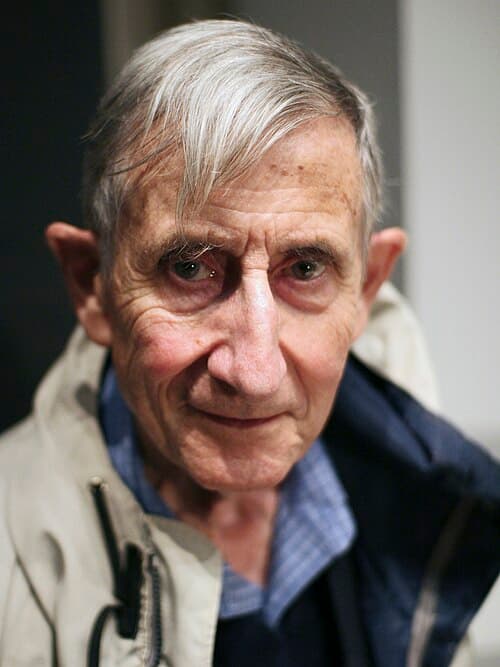
Freeman Dyson
PERSON11 w/ Jaan·2 w/ Computer
Eric Trump
PERSON9 w/ Jaan·4 w/ Computer
Peter Galison
PERSON10 w/ Jaan·2 w/ Computer
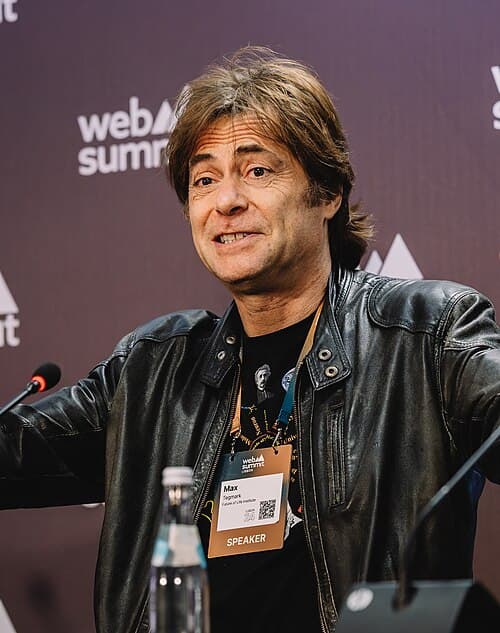
Max Tegmark
PERSON10 w/ Jaan·2 w/ Computer
Martha Stewart
PERSON7 w/ Jaan·5 w/ Computer
Lawrence Krauss
PERSON10 w/ Jaan·2 w/ Computer
Prince Andrew
PERSON6 w/ Jaan·5 w/ Computer
Marvin Minsky
PERSON6 w/ Jaan·5 w/ Computer
Alan Dershowitz
PERSON6 w/ Jaan·5 w/ Computer