Back to Network









5
Shared Docs
5
Same-Page
5 / 5
Mentions
Document Mentions (5 shared documents)
2 mentions1 same-page
Page ?Same page
media/ 1813962) that nature has had infinite time to learn what works and what doesn't, and this knowledge is what we can connect with to do maths. Yardley's point that symbols are what we use to connect with mind is relevant here: EFTA00821510 We invented [symbols] so we could have some way of artic
vented [symbols] so we could have some way of articulating the hidden reality we know as mind. The concepts involved go beyond back-action, which in Peirce's terminology is Secondness, and include his Thirdness, which corresponds to Yardley's `pi'. See https://en.wikipedia.org/wiki/ Semiotic_ elements
2 mentions1 same-page
Page ?Same page
k/media/1813962) that nature has had infinite time to learn what works and what doesn't, and this knowledge is what we can connect with to do maths. Yardley's point that symbols are what we use to connect with mind is relevant here: We invented [symbols] so we could have some way of articulating the hid
vented [symbols] so we could have some way of articulating the hidden reality we know as mind. The concepts involved go beyond back-action, which in Peirce's terminology is Secondness, and include his Thirdness, which corresponds to Yardley's 'pi'. See https://en.wikipedia.org/wiki/ Semiotic elements a
2 mentions1 same-page
Page ?Same page
k/media/1813962) that nature has had infinite time to learn what works and what doesn't, and this knowledge is what we can connect with to do maths. Yardley's point that symbols are what we use to connect with mind is relevant here: EFTA00821508 We invented [symbols] so we could have some way of artic
vented [symbols] so we could have some way of articulating the hidden reality we know as mind. The concepts involved go beyond back-action, which in Peirce's terminology is Secondness, and include his Thirdness, which corresponds to Yardley's 'pi'. See https://en.wikipedia.org/wiki/Semiotic_elements an
Sponsored
2 mentions1 same-page
Page ?Same page
ldmedia/1813962) that nature has had infinite time to learn what works and what doesn't, and this knowledge is what we can connect with to do maths. Yardley's point that symbols are what we use to connect with mind is relevant here: We invented [symbols] so we could have some way of articulating the hid
vented [symbols] so we could have some way of articulating the hidden reality we know as mind. The concepts involved go beyond back-action, which in Peirce's terminology is Secondness, and include his Thirdness, which corresponds to Yardley's `pi'. See https://en.wikipedia.org/wiki/ Semiotic elements a
2 mentions1 same-page
Page ?Same page
k/media/1813962) that nature has had infinite time to learn what works and what doesn't, and this knowledge is what we can connect with to do maths. Yardley's point that symbols are what we use to connect with mind is relevant here: We invented [symbols] so we could have some way of articulating the hid
ented [symbols] so we could have some way of articulating the hidden reality we know as mind. The concepts involved go beyond back-action, which in Peirce's terminology is Secondness, and include his Thirdness, which corresponds to Yardley's `pi'. See https://en.wikipedia.org/wiki/ Semiotic elements_
Sponsored
Mutual Connections (33)
Entities connected to both Yardley and Peirce
Julie K. Brown
PERSON2 w/ Yardley·124 w/ Peirce
George W. Bush
PERSON2 w/ Yardley·112 w/ Peirce
Barack Obama
PERSON3 w/ Yardley·102 w/ Peirce
Bill Clinton
PERSON2 w/ Yardley·102 w/ Peirce
Samantha Power
PERSON6 w/ Yardley·25 w/ Peirce
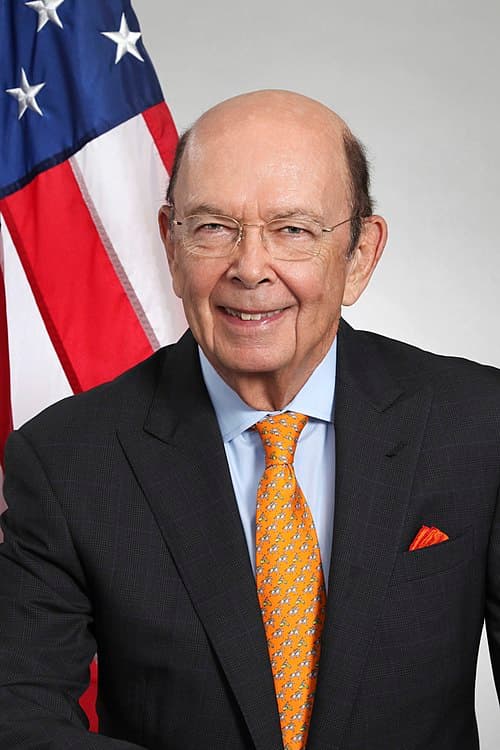
Wilbur Ross
PERSON2 w/ Yardley·28 w/ Peirce
Donald Trump
PERSON2 w/ Yardley·27 w/ Peirce
United Kingdom
LOCATION2 w/ Yardley·26 w/ Peirce
Norway
LOCATION2 w/ Yardley·25 w/ Peirce
LB
Leon Black
PERSON2 w/ Yardley·24 w/ Peirce
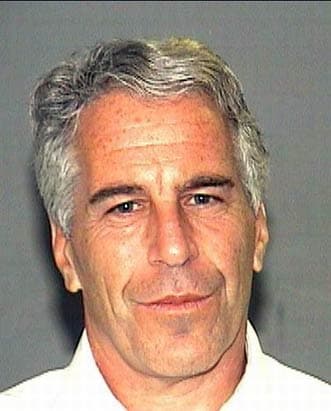
Jeffrey Epstein
PERSON6 w/ Yardley·13 w/ Peirce
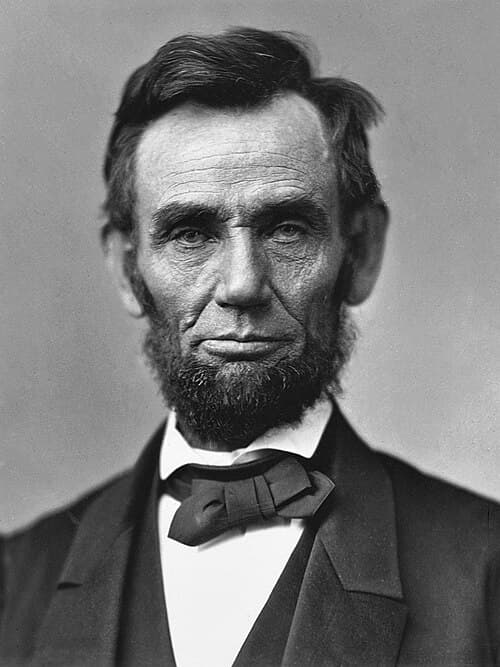
Abraham Lincoln
PERSON3 w/ Yardley·16 w/ Peirce
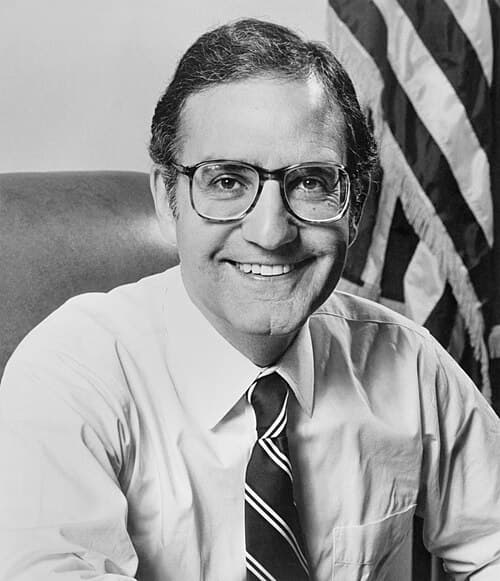
George Mitchell
PERSON3 w/ Yardley·14 w/ Peirce
Prince Charles
PERSON2 w/ Yardley·13 w/ Peirce
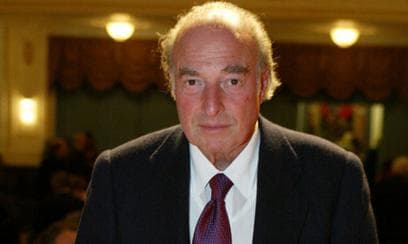
Marc Rich
PERSON3 w/ Yardley·9 w/ Peirce
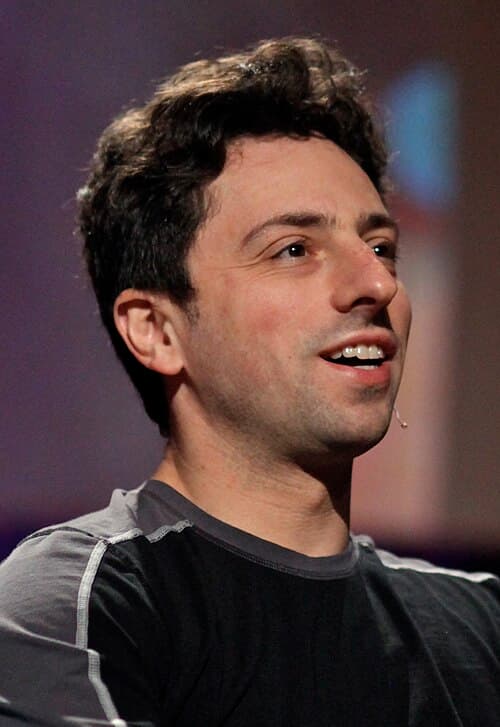
Sergey Brin
PERSON5 w/ Yardley·7 w/ Peirce
Penrose
PERSON5 w/ Yardley·7 w/ Peirce
Thirdness
ORGANIZATION5 w/ Yardley·6 w/ Peirce
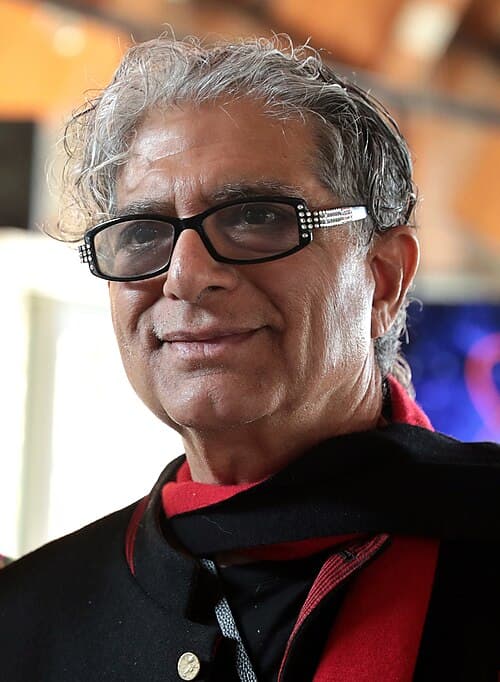
Deepak Chopra
PERSON5 w/ Yardley·6 w/ Peirce
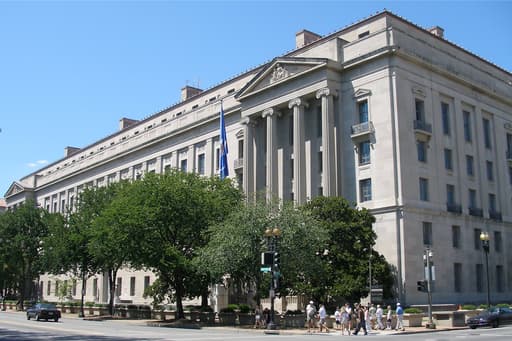
Department of Justice
ORGANIZATION2 w/ Yardley·9 w/ Peirce