Back to Network






4
Shared Docs
2
Same-Page
4 / 5
Mentions
Document Mentions (4 shared documents)
3 mentions1 same-page
Page ?Same page
oute to producing weapons-grade plutonium in the installation now being built at Arak. Not surprisingly, the Iranian negotiator, upon his return to Tehran, described the agreement as giving Iran its long-claimed right to enrich and, in effect, eliminating the American threat of using force as a last r
ns scheduled for Jan. 21 if the Syrian regime will agree to confidence-building measures such as a humanitarian relief corridor to besieged areas. Idriss didn't demand as a precondition that President Bashar al-Assad resign before negotiations begin. Instead, he said, Assad's departure should come "a
attling al-Qaeda fighters at 24 locations over the past six months and fighting Assad's army. The CIA is said to be training about 200 fighters for Idriss each month, though the commander wouldn't acknowledge this support. Asked about U.S. tactical advice to stage more "hit and run" guerrilla operati
2 mentions1 same-page
Page ?Same page
rly cancelled deal for to sell S-300 antiaircraft missiles to Iran had been reactivated, rendering moot a multi-billion dollar lawsuit initiated by Tehran for breach of contract. That much-discussed arms deal, nixed in 2009 during the inaugural days of the "reset" and thought to be an encouraging sign
he U.S.-supplied equipment there, including trucks and food rations (but not weapons, officials say). One spokesman for the FSA told reporters that Idriss' forces surrendered amicably because they weren't strong enough to defend the facility against a threatened attack by more radical jihadists. No ma
Page HOUSE_OVERSIGHT_025051
n on 25 February in Kazakhstan. What are the prospects of success? In a nutshell, that would seem to depend more on the climate in Washington than in Tehran. Iran is gesturing that it wants to negotiate, but Washington has not yet signalled any greater flexibility than in the past. In a major speech in T
Page: HOUSE_OVERSIGHT_025051 →Page HOUSE_OVERSIGHT_025057
4, he seeks U.S. assistance in “training for: (1) special operations; (2) international humanitarian law; and (3)... in chemical weapons security.” Idriss requested various supplies for these elite units, including: “(1) combat armor; (2) night vision goggles; (3) hand held monocular and longer range sp
Page: HOUSE_OVERSIGHT_025057 →Sponsored
Page HOUSE_OVERSIGHT_028685
n on 25 February in Kazakhstan. What are the prospects of success? In a nutshell, that would seem to depend more on the climate in Washington than in Tehran. Iran is gesturing that it wants to negotiate, but Washington has not yet signalled any greater flexibility than in the past. In a major speech in Te
Page: HOUSE_OVERSIGHT_028685 →Page HOUSE_OVERSIGHT_028691
4, he seeks U.S. assistance in "training for: (1) special operations; (2) international humanitarian law; and (3) ... in chemical weapons security." Idriss requested various supplies for these elite units, including: "(1) combat armor; (2) night vision goggles; (3) hand held monocular and longer range sp
Page: HOUSE_OVERSIGHT_028691 →Sponsored
Mutual Connections (146)
Entities connected to both Tehran and Idriss
Barack Obama
PERSON227 w/ Tehran·4 w/ Idriss
United States
LOCATION176 w/ Tehran·4 w/ Idriss
George W. Bush
PERSON166 w/ Tehran·2 w/ Idriss
Bashar al-Assad
PERSON149 w/ Tehran·4 w/ Idriss
Benjamin Netanyahu
PERSON145 w/ Tehran·4 w/ Idriss
Lebanon
LOCATION144 w/ Tehran·4 w/ Idriss
Jeffrey Epstein
PERSON132 w/ Tehran·3 w/ Idriss
Joe Biden
PERSON125 w/ Tehran·3 w/ Idriss
Donald Trump
PERSON120 w/ Tehran·2 w/ Idriss
Marc Rich
PERSON113 w/ Tehran·2 w/ Idriss
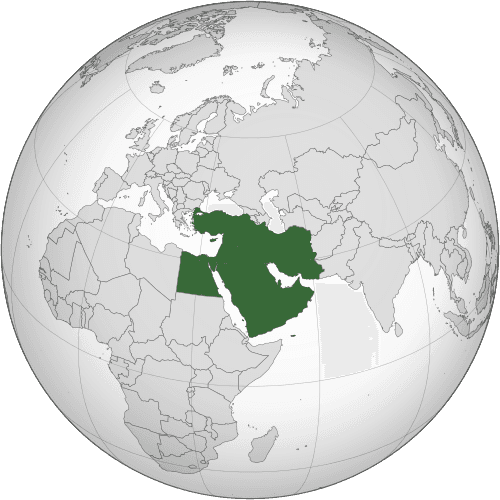
Middle East
LOCATION111 w/ Tehran·4 w/ Idriss
Vladimir Putin
PERSON109 w/ Tehran·3 w/ Idriss
Bloomberg L.P.
ORGANIZATION101 w/ Tehran·2 w/ Idriss
Damascus
LOCATION98 w/ Tehran·4 w/ Idriss
Terje Rod-Larsen
PERSON98 w/ Tehran·4 w/ Idriss
Cairo
LOCATION98 w/ Tehran·3 w/ Idriss
Yemen
LOCATION96 w/ Tehran·2 w/ Idriss
Jerusalem
LOCATION94 w/ Tehran·4 w/ Idriss
Bahrain
LOCATION76 w/ Tehran·2 w/ Idriss
John Kerry
PERSON66 w/ Tehran·4 w/ Idriss