Back to Network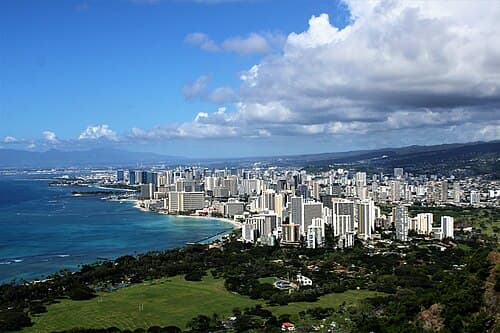











5
Shared Docs
5
Same-Page
5 / 5
Mentions
Document Mentions (5 shared documents)
2 mentions1 same-page
Page ?Same page
pell out whether that encompasses a live-fire component — she contacted the state's centralized issuing authority. Some states, like California and Hawaii, have no such central authority setting the rules for concealed carry, leaving it to local authorities to issue permits and establish training requi
a truck bomb devastated a building housing U.S. Air Force personnel in the Saudi city of Dhahran. (Although Saudi Hezbollah carried out the attack, the 9/11 Commission noted "signs that al-Qaeda played some role.") That same year, another al-Qaeda fatwa declared, "The latest and the greatest of these [Western] agg
2 mentions1 same-page
Page ?Same page
en a massive breach. Thousands of secret files bearing on com- munications intelligence had been stolen from a heavily guarded regional base in Oahu, Hawaii. The suspect was Edward Snowden, a twenty-nine-year-old civil- ian analyst at that base, who had fled to Hong Kong before the breach was discovered.
es. Prior to the 9/11 attacks in 2001, “stovepiping” had protected NSA data on its computers from networks used by other intelligence services. After the 9/11 Commission concluded that part of the reason U.S. intelligence agencies were unable to “connect the dots” in advance of the attack was related to this practice,
2 mentions1 same-page
Page ?Same page
gence by the NSA @ was hardly a secret. As the NSA expanded further, it delegated part of its work to regional bases, including ones in Utah, Texas, Hawaii, and Japan. The paramount task of the NSA remained monitoring the channels of communications that an adversary might use. The vast prolifera- tion of
g’ of information on terrorism cases in the 56 individual field offices across the country.” Here the NSA was merely following the recommendations of the 9/11 Commission to make their data more accessible to other agencies concerned with potential terrorist attacks, but as a result, the inner sanctum of the NSA became
Sponsored
2 mentions1 same-page
Page ?Same page
e number of its most secret files had been stolen. The suspect was Edward Snowden, a 29 year old civilian analyst at the NSA’s regional base in Oahu, Hawaii, who had fled to Hong Kong. The stolen documents revealed, among other things, the secret tools and capabilities that the NSA employed to do its job.
attack in 2001, NSA data had been protected by “stove-piping” that separated NSA’ computers from networks used by other intelligence services. After the 9/11 Commission concluded that part of the reason why US intelligence agencies were unable to “connect the dots” in advance of the attack was because this “stove-pip
2 mentions1 same-page
Page ?Same page
ted as a hero for defying the US government. He had not sacrificed himself, he had transformed himself. He had risen from being a lowly technician in Hawaii whose talents went largely unrecognized, to the status of an international media star in Moscow. In his new messianic role, he could make Internet ap
led stove-piping that insulated highly- sensitive data from the NSA’s other computer networks. Here they were merely following the recommendations of the 9/11 Commission to make their data more accessible to other agencies concerned with potential terrorist attacks. As a result, the inner sanctum of the NSA became mor
Sponsored
Mutual Connections (521)
Entities connected to both Hawaii and the 9/11 Commission
Honolulu
LOCATION1,414 w/ Hawaii·3 w/ the
George W. Bush
PERSON1,251 w/ Hawaii·11 w/ the
United States
LOCATION611 w/ Hawaii·13 w/ the
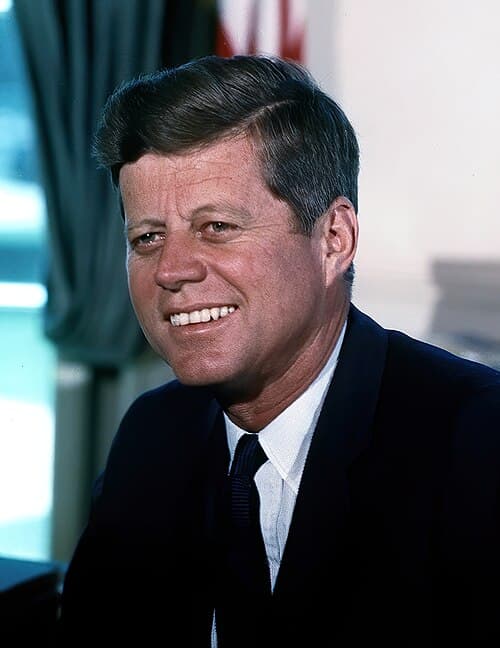
John F. Kennedy
PERSON575 w/ Hawaii·4 w/ the
Prince Charles
PERSON351 w/ Hawaii·4 w/ the
Jeffrey Epstein
PERSON309 w/ Hawaii·9 w/ the
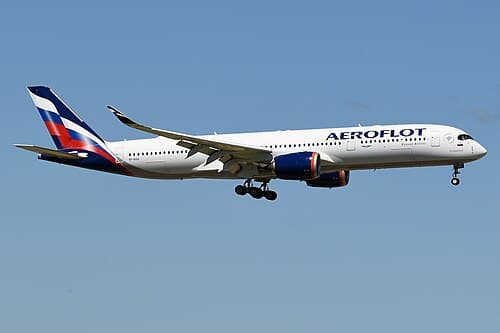
Aeroflot
ORGANIZATION162 w/ Hawaii·3 w/ the
Sheremetyevo
LOCATION133 w/ Hawaii·2 w/ the
Virginia Giuffre
PERSON105 w/ Hawaii·9 w/ the
Donald Trump
PERSON102 w/ Hawaii·7 w/ the
Marc Rich
PERSON97 w/ Hawaii·9 w/ the
Ghislaine Maxwell
PERSON102 w/ Hawaii·2 w/ the
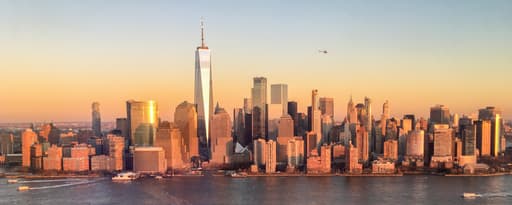
New York City
LOCATION101 w/ Hawaii·2 w/ the
LB
Leon Black
PERSON92 w/ Hawaii·6 w/ the
Atlanta
LOCATION95 w/ Hawaii·2 w/ the
Michael Jackson
PERSON93 w/ Hawaii·4 w/ the
Newark
LOCATION91 w/ Hawaii·2 w/ the
Barack Obama
PERSON79 w/ Hawaii·10 w/ the
Prince Andrew
PERSON85 w/ Hawaii·4 w/ the
Colorado
LOCATION84 w/ Hawaii·3 w/ the