Back to Network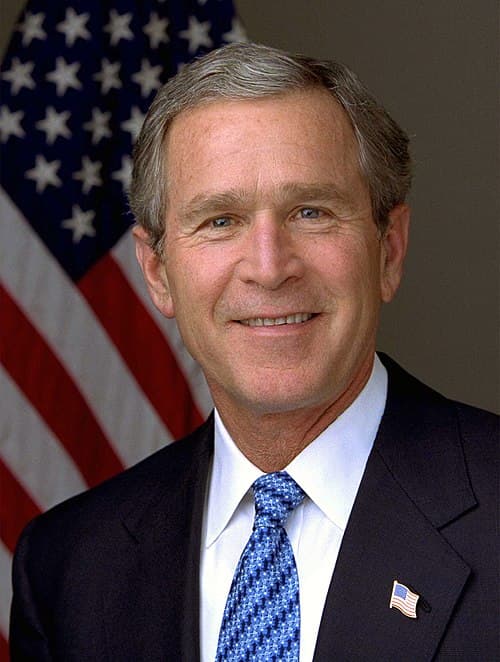





4
Shared Docs
4
Same-Page
4 / 4
Mentions
Document Mentions (4 shared documents)
2 mentions1 same-page
Page ?Same page
edical Research Council Laboratory of Molecular Biology, Cambridge University; recipient of the Nobel Prize in Chemistry (2009); current president of the Royal Society; and the author of Gene Machine: The Race to Discover the Secrets of the Ribosome. HOUSE_OVERSIGHT_016806 Stuart Russell is a professor of computer
ing a place to begin. New Technologies=New Perceptions Before AI, there was Cybernetics—the idea of automatic, self-regulating control, laid out in Norbert Wiener’s foundational text of 1948. I can date my own serious exposure to it to 1966, when the composer John Cage invited me and four or five other young arts
2 mentions1 same-page
Page ?Same page
edical Research Council Laboratory of Molecular Biology, Cambridge University; recipient of the Nobel Prize in Chemistry (2009); current president of the Royal Society; and the author of Gene Machine: The Race to Discover the Secrets of the Ribosome. A former colleague of mine, Gérard Bricogne, used to joke that ca
agic or mysticism of an earlier age— as by their modern-sounding insights. I detect that same doubleness—the zig-zag origami folds of old and new—in Norbert Wiener’s classic The Human Use of Human Beings. First published in 1950 and revised in 1954, the book is in many ways extraordinarily prescient. Wiener, the M
2 mentions1 same-page
Page ?Same page
edical Research Council Laboratory of Molecular Biology, Cambridge University; recipient of the Nobel Prize in Chemistry (2009); current president of the Royal Society; and the author of Gene Machine: The Race to Discover the Secrets of the Ribosome. HOUSE_OVERSIGHT_016223 Stuart Russell is a professor of computer
ing a place to begin. New Technologies=New Perceptions Before AI, there was Cybernetics—the idea of automatic, self-regulating control, laid out in Norbert Wiener’s foundational text of 1948. I can date my own serious exposure to it to 1966, when the composer John Cage invited me and four or five other young arts
Sponsored
2 mentions1 same-page
Page ?Same page
edical Research Council Laboratory of Molecular Biology, Cambridge University; recipient of the Nobel Prize in Chemistry (2009); current president of the Royal Society; and the author of Gene Machine: The Race to Discover the Secrets of the Ribosome. A former colleague of mine, Gérard Bricogne, used to joke that ca
agic or mysticism of an earlier age— as by their modern-sounding insights. I detect that same doubleness—the zig-zag origami folds of old and new—in Norbert Wiener’s classic The Human Use of Human Beings. First published in 1950 and revised in 1954, the book is in many ways extraordinarily prescient. Wiener, the M
Sponsored
Mutual Connections (688)
Entities connected to both the Royal Society and Norbert Wiener’s
George W. Bush
PERSON12 w/ the·4 w/ Norbert
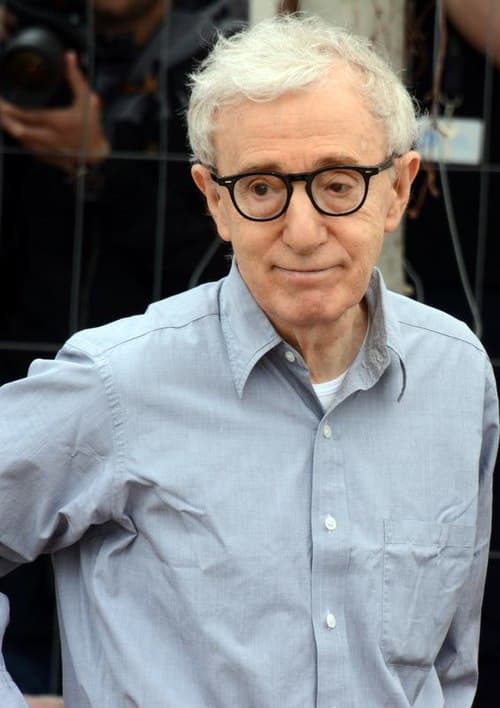
Woody Allen
PERSON13 w/ the·2 w/ Norbert
Elon Musk
PERSON11 w/ the·4 w/ Norbert
Marc Rich
PERSON10 w/ the·4 w/ Norbert
Martha Stewart
PERSON9 w/ the·4 w/ Norbert
Barack Obama
PERSON9 w/ the·4 w/ Norbert
Stephen Hawking
PERSON9 w/ the·4 w/ Norbert
Lawrence Krauss
PERSON10 w/ the·2 w/ Norbert
LB
Leon Black
PERSON8 w/ the·4 w/ Norbert
Frank Wilczek
PERSON8 w/ the·4 w/ Norbert
Daniel Kahneman
PERSON8 w/ the·4 w/ Norbert
John Brockman
PERSON8 w/ the·4 w/ Norbert
Berkeley
LOCATION7 w/ the·4 w/ Norbert
Robert Gates
PERSON7 w/ the·4 w/ Norbert
William Shakespeare
PERSON7 w/ the·4 w/ Norbert
Julie K. Brown
PERSON7 w/ the·4 w/ Norbert
Steven Pinker
PERSON9 w/ the·2 w/ Norbert
Turing
PERSON7 w/ the·4 w/ Norbert
Alan Dershowitz
PERSON7 w/ the·4 w/ Norbert
Bill Gates
PERSON7 w/ the·4 w/ Norbert