Back to Network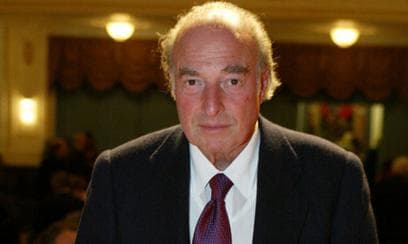







4
Shared Docs
4
Same-Page
4 / 4
Mentions
Document Mentions (4 shared documents)
2 mentions1 same-page
Page ?Same page
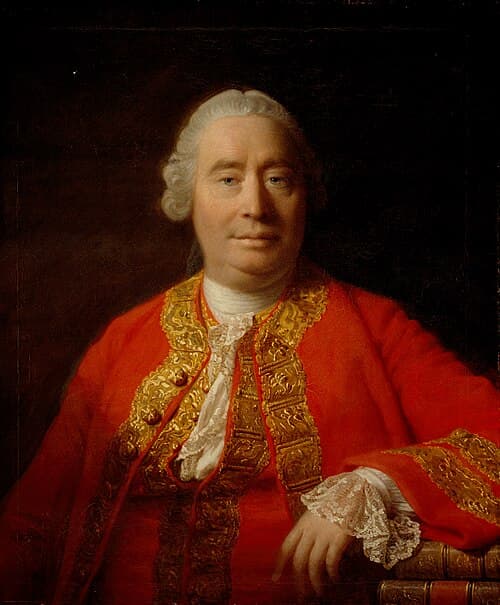
intelligence is not the product of an alien invasion. It is an artifact of a particular human culture and reflects the values of that culture.” 3. “David Hume's striking statement ‘Reason Is, and Ought only to Be, the Slave of the Passions’ was written in 1738 [and] was, of course, meant to apply to human rea
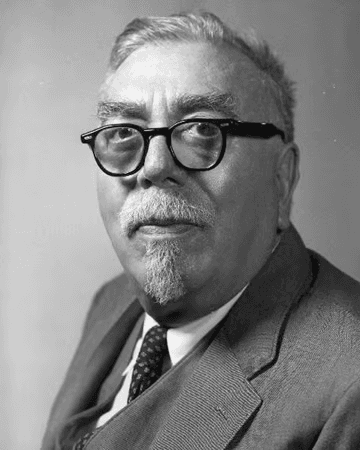
ing a place to begin. New Technologies=New Perceptions Before AI, there was Cybernetics—the idea of automatic, self-regulating control, laid out in Norbert Wiener’s foundational text of 1948. I can date my own serious exposure to it to 1966, when the composer John Cage invited me and four or five other young arts
2 mentions1 same-page
Page ?Same page
image or recording)—and see if you can extract patterns from them. This approach was carried further by such classic associationists as philosophers David Hume 152 HOUSE_OVERSIGHT_016955 and J. S. Mill and later by behavioral psychologists, like Pavlov and B. F. Skinner. On this view, the abstractness and
agic or mysticism of an earlier age— as by their modern-sounding insights. I detect that same doubleness—the zig-zag origami folds of old and new—in Norbert Wiener’s classic The Human Use of Human Beings. First published in 1950 and revised in 1954, the book is in many ways extraordinarily prescient. Wiener, the M
2 mentions1 same-page
Page ?Same page
intelligence is not the product of an alien invasion. It is an artifact of a particular human culture and reflects the values of that culture.” 3. “David Hume's striking statement ‘Reason Is, and Ought only to Be, the Slave of the Passions’ was written in 1738 [and] was, of course, meant to apply to human rea
ing a place to begin. New Technologies=New Perceptions Before AI, there was Cybernetics—the idea of automatic, self-regulating control, laid out in Norbert Wiener’s foundational text of 1948. I can date my own serious exposure to it to 1966, when the composer John Cage invited me and four or five other young arts
Sponsored
2 mentions1 same-page
Page ?Same page
image or recording)—and see if you can extract patterns from them. This approach was carried further by such classic associationists as philosophers David Hume 152 HOUSE_OVERSIGHT_016372 and J. S. Mill and later by behavioral psychologists, like Pavlov and B. F. Skinner. On this view, the abstractness and
agic or mysticism of an earlier age— as by their modern-sounding insights. I detect that same doubleness—the zig-zag origami folds of old and new—in Norbert Wiener’s classic The Human Use of Human Beings. First published in 1950 and revised in 1954, the book is in many ways extraordinarily prescient. Wiener, the M
Sponsored
Mutual Connections (688)
Entities connected to both David Hume and Norbert Wiener’s
Marc Rich
PERSON10 w/ David·4 w/ Norbert
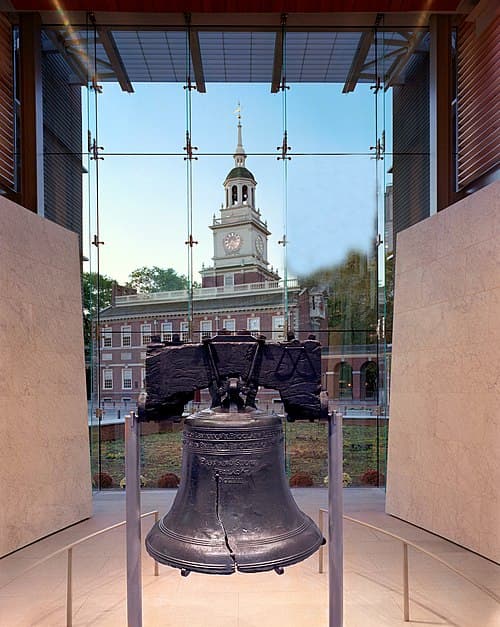
Philadelphia
LOCATION12 w/ David·2 w/ Norbert
DB
Doug Band
PERSON9 w/ David·4 w/ Norbert
Cambridge University
ORGANIZATION9 w/ David·4 w/ Norbert
LB
Leon Black
PERSON9 w/ David·4 w/ Norbert
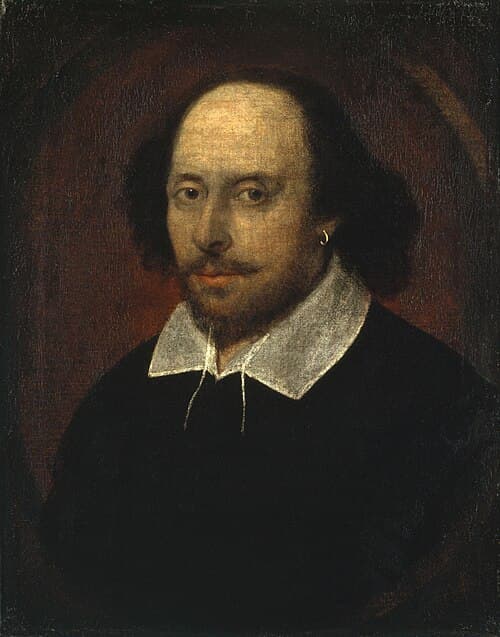
William Shakespeare
PERSON9 w/ David·4 w/ Norbert
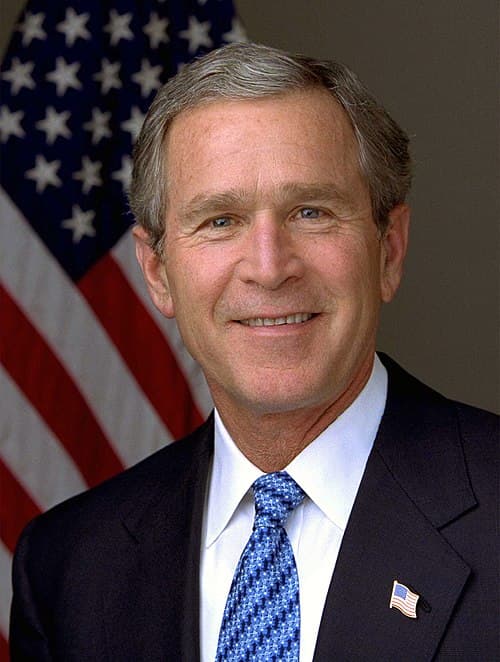
George W. Bush
PERSON9 w/ David·4 w/ Norbert
Julie K. Brown
PERSON9 w/ David·4 w/ Norbert
Health Sciences and Technology
ORGANIZATION8 w/ David·4 w/ Norbert
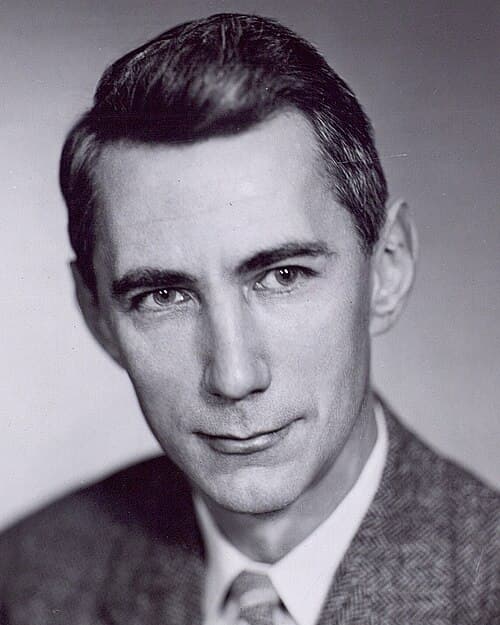
Claude Shannon
PERSON8 w/ David·4 w/ Norbert
J. Robert Oppenheimer
PERSON8 w/ David·4 w/ Norbert
Prince Andrew
PERSON8 w/ David·4 w/ Norbert
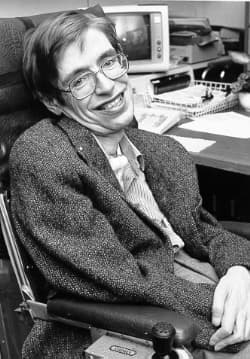
Stephen Hawking
PERSON8 w/ David·4 w/ Norbert
Samantha Power
PERSON7 w/ David·4 w/ Norbert
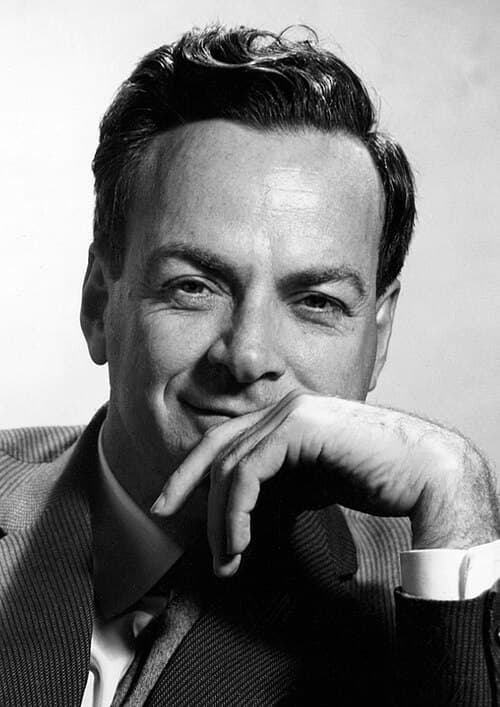
Richard Feynman
PERSON7 w/ David·4 w/ Norbert
Daniel Kahneman
PERSON7 w/ David·4 w/ Norbert
Bill Gates
PERSON7 w/ David·4 w/ Norbert
Berkeley
LOCATION7 w/ David·4 w/ Norbert
Earth
LOCATION7 w/ David·4 w/ Norbert
Harvey Weinstein
PERSON7 w/ David·4 w/ Norbert