Back to Network





5
Shared Docs
5
Same-Page
5 / 5
Mentions
Document Mentions (5 shared documents)
2 mentions1 same-page
Page ?Same page
ic and reversible. They could not see a way for free will to emerge from such physical laws. There was even a group called the Compatibilists lead by David Hume that thought free will could coexist with determinism. Provided you felt free it did not matter that your actions were inevitable. We all want free
ans think creatively, computers do not. * ‘The process of understanding and communication is complex, much more complex than the digital theorems of Claude Shannon and Harry Nyquist. « Understanding is hard. « The communication of understanding is even harder. HOUSE_OVERSIGHT_015687 CONTENTS Preface
2 mentions1 same-page
Page ?Same page
intelligence is not the product of an alien invasion. It is an artifact of a particular human culture and reflects the values of that culture.” 3. “David Hume's striking statement ‘Reason Is, and Ought only to Be, the Slave of the Passions’ was written in 1738 [and] was, of course, meant to apply to human rea
n Turing wondered what it would take for machines to become intelligent. John von Neumann wondered what it would take for machines to self-reproduce. Claude Shannon wondered what it would take for machines to communicate reliably, no matter how much noise intervened. Norbert Wiener wondered how long it wo
2 mentions1 same-page
Page ?Same page
image or recording)—and see if you can extract patterns from them. This approach was carried further by such classic associationists as philosophers David Hume 152 HOUSE_OVERSIGHT_016955 and J. S. Mill and later by behavioral psychologists, like Pavlov and B. F. Skinner. On this view, the abstractness and
, “A Scientist Rebels,” Zhe Atlantic Monthly, January 1947. 31 Warren Weaver, “Recent Contributions to the Mathematical Theory of Communication,” in Claude Shannon & Warren Weaver, The Mathematical Theory of Communication (Urbana, IL: University of Illinois Press, 1949), p. 8 (emphasis in original). Shan
Sponsored
2 mentions1 same-page
Page ?Same page
intelligence is not the product of an alien invasion. It is an artifact of a particular human culture and reflects the values of that culture.” 3. “David Hume's striking statement ‘Reason Is, and Ought only to Be, the Slave of the Passions’ was written in 1738 [and] was, of course, meant to apply to human rea
n Turing wondered what it would take for machines to become intelligent. John von Neumann wondered what it would take for machines to self-reproduce. Claude Shannon wondered what it would take for machines to communicate reliably, no matter how much noise intervened. Norbert Wiener wondered how long it wo
2 mentions1 same-page
Page ?Same page
image or recording)—and see if you can extract patterns from them. This approach was carried further by such classic associationists as philosophers David Hume 152 HOUSE_OVERSIGHT_016372 and J. S. Mill and later by behavioral psychologists, like Pavlov and B. F. Skinner. On this view, the abstractness and
, “A Scientist Rebels,” Zhe Atlantic Monthly, January 1947. 31 Warren Weaver, “Recent Contributions to the Mathematical Theory of Communication,” in Claude Shannon & Warren Weaver, The Mathematical Theory of Communication (Urbana, IL: University of Illinois Press, 1949), p. 8 (emphasis in original). Shan
Sponsored
Mutual Connections (736)
Entities connected to both David Hume and Claude
Jeffrey Epstein
PERSON12 w/ David·22 w/ Claude
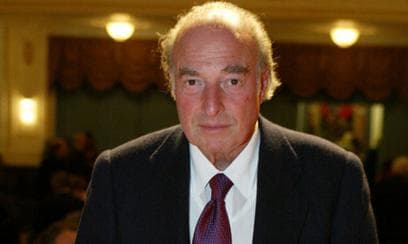
Marc Rich
PERSON10 w/ David·9 w/ Claude
Julie K. Brown
PERSON9 w/ David·10 w/ Claude
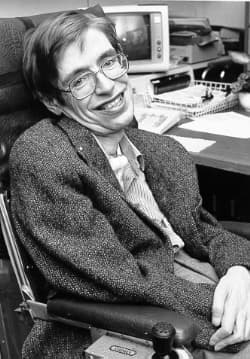
Stephen Hawking
PERSON8 w/ David·10 w/ Claude
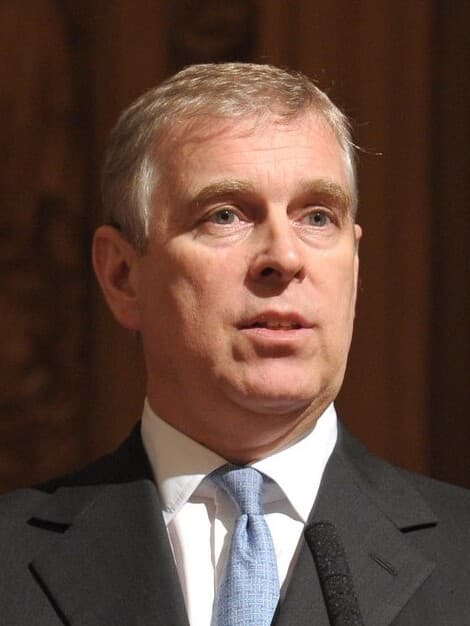
Prince Andrew
PERSON8 w/ David·10 w/ Claude
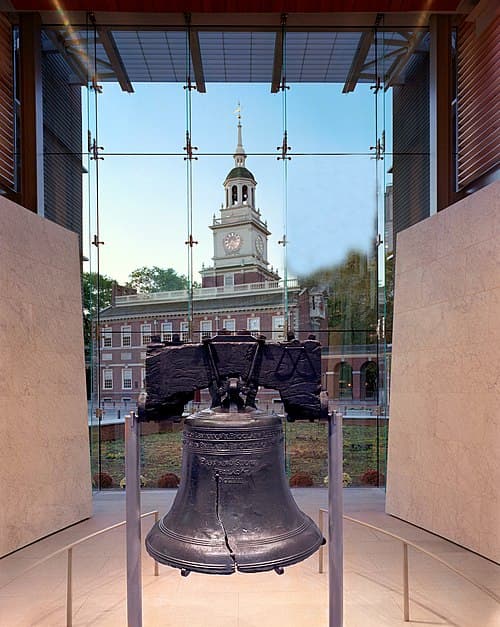
Philadelphia
LOCATION12 w/ David·5 w/ Claude
George W. Bush
PERSON9 w/ David·8 w/ Claude
LB
Leon Black
PERSON9 w/ David·8 w/ Claude
DB
Doug Band
PERSON9 w/ David·8 w/ Claude
Eric Trump
PERSON7 w/ David·9 w/ Claude
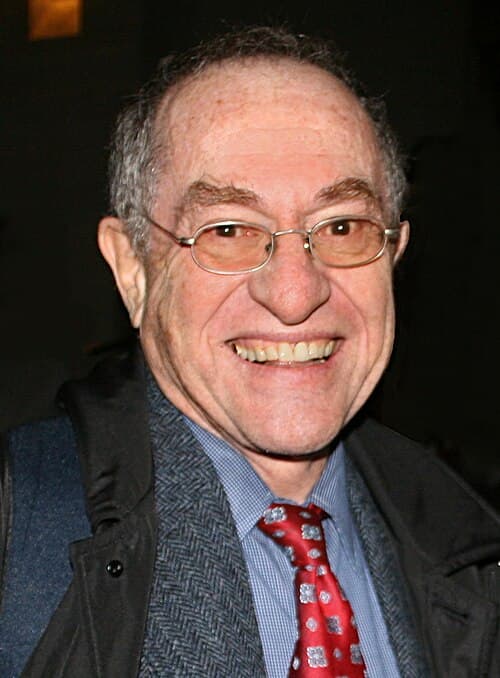
Alan Dershowitz
PERSON7 w/ David·9 w/ Claude
Cambridge University
ORGANIZATION9 w/ David·6 w/ Claude
Ghislaine Maxwell
PERSON5 w/ David·9 w/ Claude
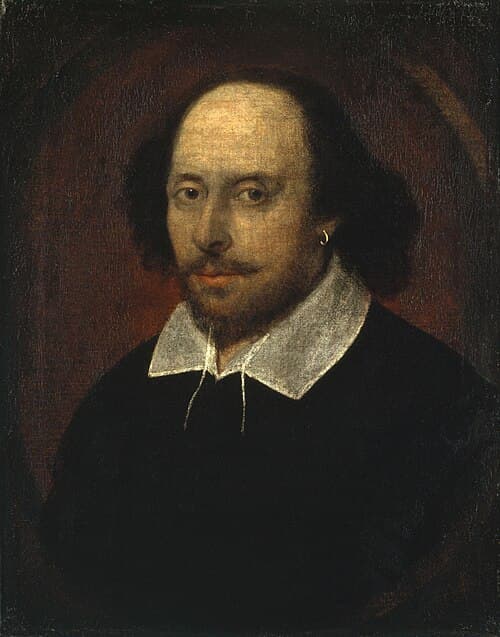
William Shakespeare
PERSON9 w/ David·5 w/ Claude
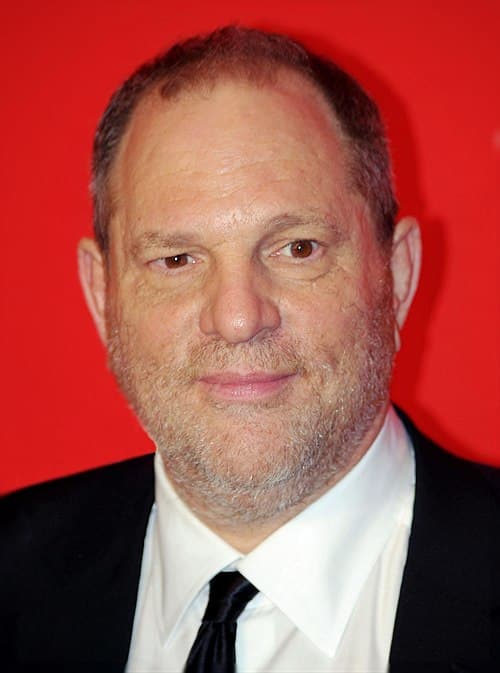
Harvey Weinstein
PERSON7 w/ David·7 w/ Claude
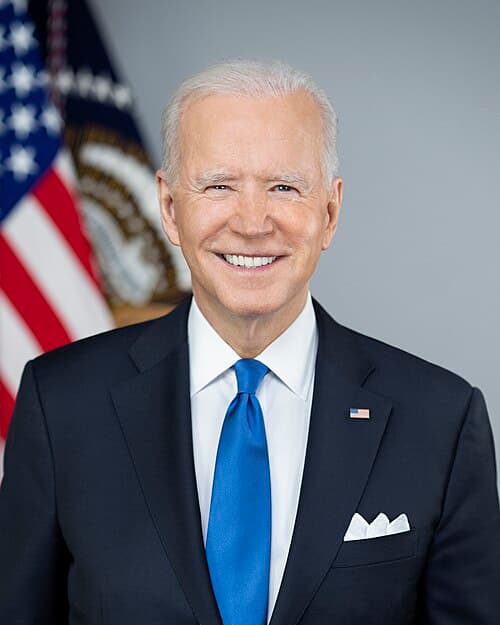
Joe Biden
PERSON6 w/ David·8 w/ Claude
Barack Obama
PERSON7 w/ David·6 w/ Claude
Wilbur Ross
PERSON6 w/ David·7 w/ Claude
Claude Shannon
PERSON8 w/ David·5 w/ Claude
J. Robert Oppenheimer
PERSON8 w/ David·5 w/ Claude