Back to Network











3
Shared Docs
3
Same-Page
4 / 3
Mentions
Document Mentions (3 shared documents)
3 mentions1 same-page
Page ?Same page
Newton was an extraordinary man. He discovered many of the physical principles we use today, and his view of the Universe reigned unchallenged until Einstein’s discovery of relativity. He was also, by many accounts, a nasty piece of work. Not only was he a famous academic, he also head of the Royal Mint. H
k. Who cares why? In 1964, John Bell, an Irish physicist working at the Conseil Européen pour la Recherche Nucléaire (“CERN’), devised a way to test Einstein’s hidden variable theory. He pointed out that if photons possess hidden variables and we randomly measure them with a detector set at three angles, w
n great pleasure in having forgers hanged on Tower Hill. He claimed the invention of differential calculus despite it being invented independently by Gottfried Leibniz. Newton managed to have himself appointed to chair the committee reviewing Leibniz’s work and determine who had come up with the idea first. Unsurpri
2 mentions1 same-page
Page ?Same page
is a science historian, Joseph Pellegrino University Professor and co- founder of the Black Hole Initiative at Harvard University, and the author of Einstein's Clocks and Poincaré’s Maps: Empires of Time. In his second-best book, the great medieval mathematician al-Khwarizmi described the new place-based
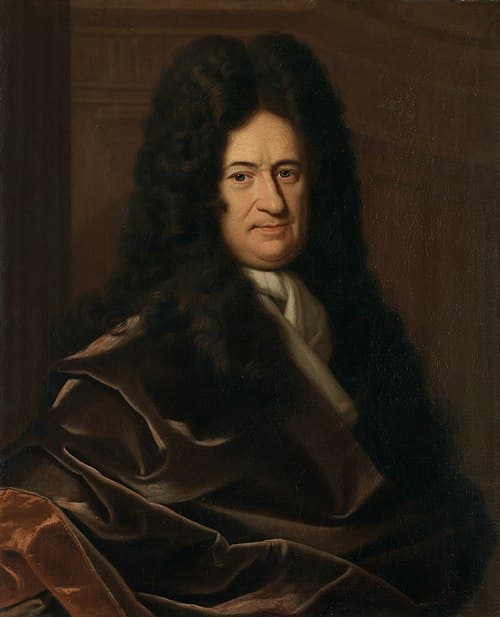
. It has an “I want” init. We have to find a precise symbolic representation of the desires we express in human natural language. In the late 1600s, Gottfried Leibniz, John Wilkins, and others were concerned with what they called philosophical languages—that is, complete, universal, symbolic representations of thin
Sponsored
Mutual Connections (380)
Entities connected to both Harvey Weinstein and Gottfried Leibniz
Prince Andrew
PERSON439 w/ Harvey·3 w/ Gottfried
Alan Dershowitz
PERSON272 w/ Harvey·3 w/ Gottfried
George W. Bush
PERSON256 w/ Harvey·3 w/ Gottfried
LB
Leon Black
PERSON253 w/ Harvey·3 w/ Gottfried
Ghislaine Maxwell
PERSON244 w/ Harvey·3 w/ Gottfried
Marc Rich
PERSON213 w/ Harvey·3 w/ Gottfried
Stephen Hawking
PERSON180 w/ Harvey·3 w/ Gottfried
Julie K. Brown
PERSON179 w/ Harvey·2 w/ Gottfried
Eric Trump
PERSON165 w/ Harvey·3 w/ Gottfried
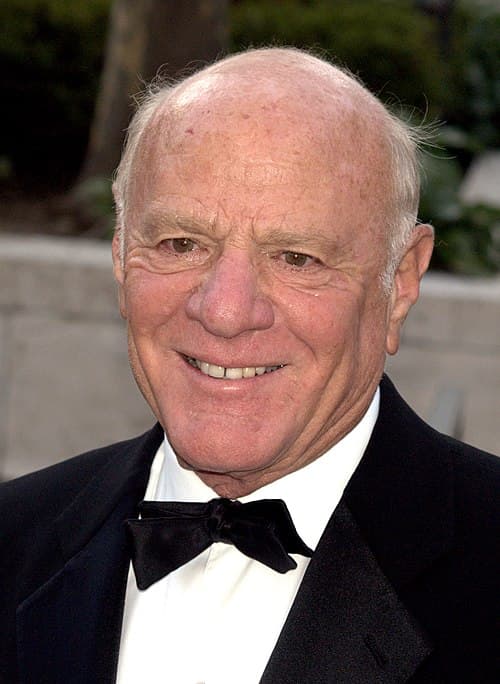
Barry Diller
PERSON152 w/ Harvey·2 w/ Gottfried
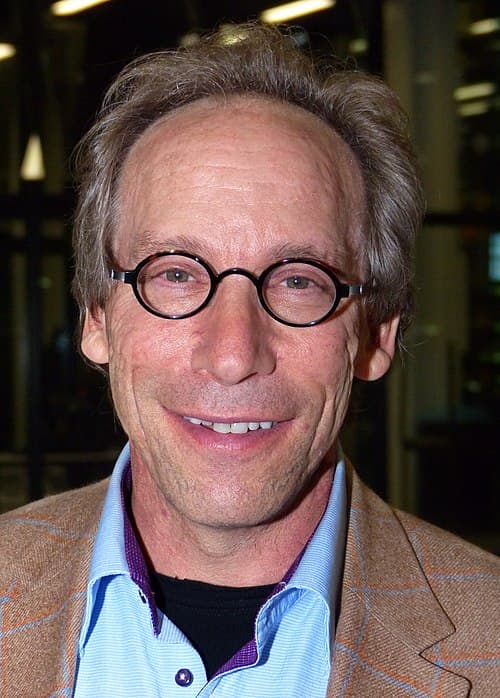
Lawrence Krauss
PERSON144 w/ Harvey·2 w/ Gottfried
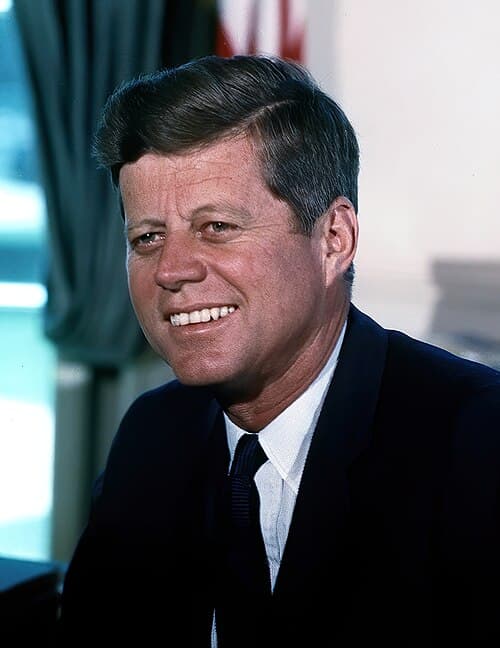
John F. Kennedy
PERSON135 w/ Harvey·3 w/ Gottfried
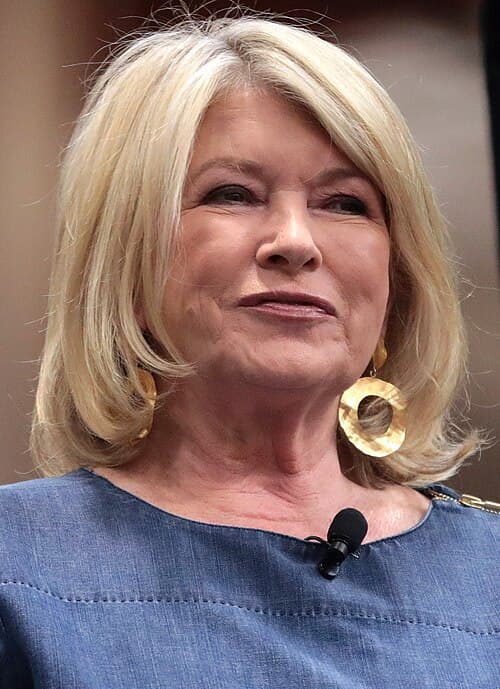
Martha Stewart
PERSON127 w/ Harvey·2 w/ Gottfried
Samantha Power
PERSON117 w/ Harvey·2 w/ Gottfried
AG
Ace Greenberg
PERSON113 w/ Harvey·2 w/ Gottfried
Barack Obama
PERSON106 w/ Harvey·2 w/ Gottfried
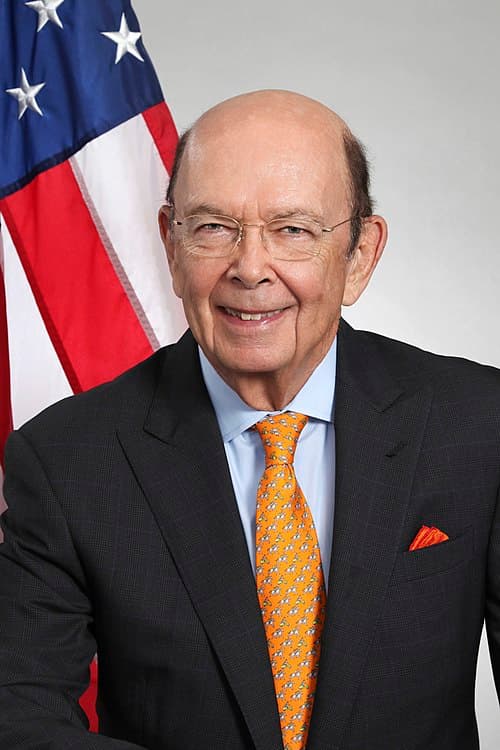
Wilbur Ross
PERSON105 w/ Harvey·2 w/ Gottfried
DB
Doug Band
PERSON89 w/ Harvey·2 w/ Gottfried
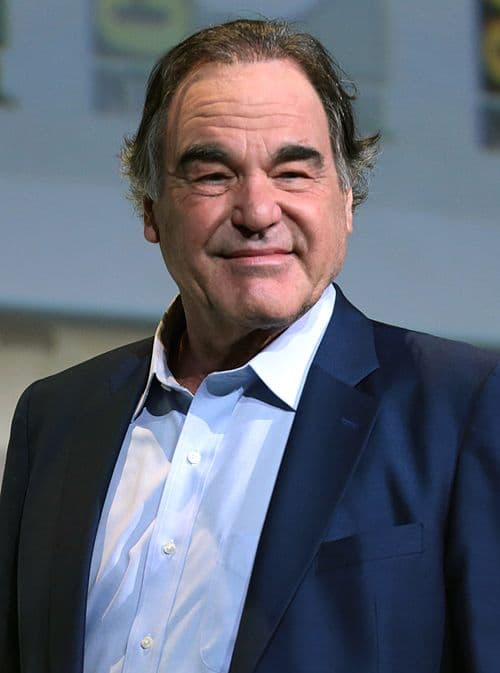
Oliver Stone
PERSON89 w/ Harvey·2 w/ Gottfried
Robert Gates
PERSON80 w/ Harvey·2 w/ Gottfried