Back to Network


















11
Shared Docs
11
Same-Page
11 / 11
Mentions
Document Mentions (11 shared documents)
2 mentions1 same-page
Page ?Same page
f a draft Supreme Court opinion for the Dobbs v. Jackson Women's Health Organization case. According to th
ng to the discovery of a safe containing fireworks and wires. The article noted that the investigation involves the Harvard University police, FBI's Boston- area Joint Terrorism Task Force, and ongoing efforts to identify other individuals involved in the conspiracy. Back to Top COUNTERINTELLIGENCE Eva
2 mentions1 same-page
Page ?Same page
4178190 (S.D.N.Y. Sept. 4, 2008) 235 United States v. Young, No. 08 Cr. 285 (KMK), 2008 WL 4178190 (S.D.N.Y. Sept. 4,2008) 234 United States v. Zackson, 12 F.3d 1178 (2d Cir. 1993) 253 United States v. Zodhiates, 901 F.3d 137 (2d Cir. 2018) 122, 126, 131 Valentine v. Konteh, 395 F.3d 626 (6th
Boyd v. United States, 116 U.S. 616 (1886) 145 Branzburg v. Hayes, 408 U.S. 665 (1972) 110 Bridges v. United States, 346 U.S. 209 (1953) 53 Bronston v. United States, 409 U.S. 352 (1973) 181 Bryson v. United States, 396 U.S. 64 (1969) 147 Burgess v. United States, 552 U.S. 124 (2008) 51 C
2 mentions1 same-page
Page ?Same page
4178190 (S.D.N.Y. Sept. 4, 2008) 235 United States v. Young, No. 08 Cr. 285 (KMK), 2008 WL 4178190 (S.D.N.Y. Sept. 4, 2008) 234 United States v. Zackson, 12 F.3d 1178 (2d Cir. 1993) 253 United States v. Zodhiates, 901 F.3d 137 (2d Cir. 2018) 122, 126, 131 Valentine v. Konteh, 395 F.3d 626 (6th
Boyd v. United States, 116 U.S. 616 (1886) 145 Branzburg v. Hayes, 408 U.S. 665 (1972) 110 Bridges v. United States, 346 U.S. 209 (1953) 53 Bronston v. United States, 409 U.S. 352 (1973) 181 Bryson v. United States, 396 U.S. 64 (1969) 147 Burgess v. United States, 552 U.S. 124 (2008) 51 C
Sponsored
2 mentions1 same-page
Page ?Same page
a, 84 F.3d 61, 69 (2d Cir. 1996) (internal citation omitted); see also United States v. Paulino, 445 F.3d 211, 221 (2d Cir. 2006); United States v. Zackson, 12 F.3d 1178, 1182 (2d Cir. 1993). Under this approach, uncharged acts are admissible in a conspiracy case where they are used to (i) explain the
or can a conviction rest on answers that are literally true but unresponsive, and therefore "arguably misleading by negative implication." Id.; see Bronston v. United States, 409 U.S. 352, 362 (1973). But when "the answer is false, the fact that it is unresponsive is immaterial." United States v. Corr, 5
2 mentions1 same-page
Page ?Same page
4178190 (S.D.N.Y. Sept. 4, 2008) 235 United States v. Young, No. 08 Cr. 285 (KMK), 2008 WL 4178190 (S.D.N.Y. Sept. 4, 2008) 234 United States v. Zackson, 12 F.3d 1178 (2d Cir. 1993) 253 United States v. Zodhiates, 901 F.3d 137 (2d Cir. 2018) 122, 126, 131 Valentine v. Konteh, 395 F.3d 626 (6th
Boyd v. United States, 116 U.S. 616 (1886) 145 Branzburg v. Hayes, 408 U.S. 665 (1972) 110 Bridges v. United States, 346 U.S. 209 (1953) 53 Bronston v. United States, 409 U.S. 352 (1973) 181 Bryson v. United States, 396 U.S. 64 (1969) 147 Burgess v. United States, 552 U.S. 124 (2008) 51 C
2 mentions1 same-page
Page ?Same page
a, 84 F.3d 61, 69 (2d Cir. 1996) (internal citation omitted); see also United States v. Paulino, 445 F.3d 211, 221 (2d Cir. 2006); United States v. Zackson, 12 F.3d 1178, 1182 (2d Cir. 1993). Under this approach, uncharged acts are admissible in a conspiracy case where they are used to (i) explain the
or can a conviction rest on answers that are literally true but unresponsive, and therefore "arguably misleading by negative implication." Id.; see Bronston v. United States, 409 U.S. 352, 362 (1973). But when "the answer is false, the fact that it is unresponsive is immaterial." United States v. Corr, 5
Sponsored
2 mentions1 same-page
Page ?Same page
82 F. Supp. 757 (S.D.N.Y. 1988) 199 United States v. Young, 08 Cr. 285 (KMK), 2008 WL 4178190 (S.D.N.Y. Sept. 4, 2008) 154, 155 United States v. Zackson, 12 F.3d 1178 (2d Cir. 1993) 165 United States v. Zodhiates, 901 F.3d 137 (2d Cir. 2018) 86, 88, 93 United States, 359 F. Supp. 3d 1201 (S.D.
ates, 116 U.S. 616 (1886) 101 iv EFTA00095071 Branzburg v. Hayes, 408 U.S. 665 (1972) 78 Bridges v. United States, 346 U.S. 209 (1953) 38 Bronston v. United States, 409 U.S. 352 (1973) 121 Bryson v. United States, 396 U.S. 64 (1969) 101 Burgess v. United States, 552 U.S. 124 (2008) 37 C
2 mentions1 same-page
Page ?Same page
la, 84 F.3d 61, 69 (2d Cir. 1996) (internal citation omitted); see also United States v. Paulin, 445 F.3d 211, 221 (2d Cir. 2006); United States v. Zackson, 12 F.3d 1178, 1182 (2d Cir. 1993). Under this approach, 165 EFTA00095257 uncharged acts are admissible in a conspiracy case where they are used
or can a conviction rest on answers that are literally true but unresponsive, and therefore "arguably misleading by negative implication." Id.; see Bronston v. United States, 409 U.S. 352, 362 (1973). But when "the answer is false, the fact that it is unresponsive is immaterial." United States v. Corr, 5
2 mentions1 same-page
Page ?Same page
Dreaming Yet? Word Puzzle Creative Inoculation Jackson Pollock Jeopardy Programming Cartoon Specificat
because ail the readings must be whole numbers. You will never see 10% spin in x, 90% in y and 85% in z; just ones, and zeros. The measurements for a Boson will always be 1,0,1 in some order. This is known as the ‘101’ rule. Now, we ask the question: does a particle have a definite spin before we take a
Sponsored
2 mentions1 same-page
Page ?Same page
4178190 (S.D.N.Y. Sept. 4, 2008) 235 United States v. Young, No. 08 Cr. 285 (KMK), 2008 WL 4178190 (S.D.N.Y. Sept. 4, 2008) 234 United States v. Zackson, 12 F.3d 1178 (2d Cir. 1993) 253 United States v. Zodhiates, 901 F.3d 137 (2d Cir. 2018) 122, 126, 131 Valentine v. Konteh, 395 F.3d 626 (6th
Boyd v. United States, 116 U.S. 616 (1886) 145 Branzburg v. Hayes, 408 U.S. 665 (1972) 110 Bridges v. United States, 346 U.S. 209 (1953) 53 Bronston v. United States, 409 U.S. 352 (1973) 181 Bryson v. United States, 396 U.S. 64 (1969) 147 Burgess v. United States, 552 U.S. 124 (2008) 51 C
Sponsored
Mutual Connections (620)
Entities connected to both Michael Jackson and Boston
Jeffrey Epstein
PERSON1,344 w/ Michael·61 w/ Boston
Prince Andrew
PERSON457 w/ Michael·10 w/ Boston
George W. Bush
PERSON445 w/ Michael·11 w/ Boston
Ghislaine Maxwell
PERSON404 w/ Michael·17 w/ Boston
Prince Charles
PERSON415 w/ Michael·5 w/ Boston
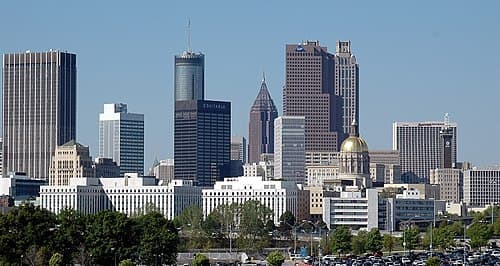
Atlanta
LOCATION411 w/ Michael·3 w/ Boston
United States
LOCATION377 w/ Michael·15 w/ Boston
John F. Kennedy
PERSON325 w/ Michael·15 w/ Boston
Julie K. Brown
PERSON331 w/ Michael·9 w/ Boston
Donald Trump
PERSON331 w/ Michael·8 w/ Boston
LB
Leon Black
PERSON326 w/ Michael·10 w/ Boston
Department of Justice
ORGANIZATION306 w/ Michael·8 w/ Boston
Joe Biden
PERSON288 w/ Michael·2 w/ Boston
Virginia Giuffre
PERSON264 w/ Michael·10 w/ Boston
Stephen Hawking
PERSON249 w/ Michael·8 w/ Boston
George Mitchell
PERSON240 w/ Michael·10 w/ Boston
Bill Clinton
PERSON244 w/ Michael·6 w/ Boston
Woody Allen
PERSON239 w/ Michael·8 w/ Boston
Eric Trump
PERSON240 w/ Michael·6 w/ Boston
Scarlett Johansson
PERSON231 w/ Michael·12 w/ Boston