Back to Network














4
Shared Docs
3
Same-Page
6 / 4
Mentions
Document Mentions (4 shared documents)
3 mentions1 same-page
Page ?Same page
sues where Tehran has major interests. The possible linkage of the nuclear issue to Iran's broader diplomatic agenda is bound to be controversial. The United States and its allies have wanted to limit conversations to nuclear matters; Iran evidently seeks a diplomatic engagement that addresses a much wider rang
goes the adage, and that is good advice when it comes to thinking about Iran and its nuclear program. But it is just as important to remember the United States' own history in dealing with Tehran. Iranians do. "The majority, including the supreme leader, Ali Ithamenei, they EFTA_R1_02203684 EFTA02720372
the vote and the Salafis 25 percent in the first round of Egypt's parliamentary elections, Rana Abdelhai, a student, told New York Times columnist Nicholas Kristof that while she would never vote for a Muslim Brotherhood or Salafi candidate, "This is democracy now. We have to respect who other people choose,
2 mentions1 same-page
Page ?Same page
stan, coupled with economic problems, convinced reasonable people that the United States had entered an age of permanent decline. The sort of power the United States has does not dissipate that fast. The disintegration of European unity and the financial crisis facing China have left the United States, not surpr
o Fight AIDS, Tuberculosis, and Malaria have also made substantial gains in the fight against HIV/AIDS -- so much so that New York Times columnist Nicholas Kristof recently wrote about the plight of out-of-work coffin makers in Lesotho. There are still roughly 2.7 million new infections annually around the wor
2 mentions1 same-page
Page ?Same page
ven the historical record, risks bloody anarchy. And a transitional phase may require an implicit deal between the United States and Iran. Iran and the United States have a record of dealing with each other behind the scenes; the Bush administration and the ayatollahs did likewise in Iraq even as they fought eac
sad's goons killing the Syrian opposition? Or the Iran of a young, dynamic populace hungry for democracy, dignity, and jobs, a population that, as Nicholas Kristof has reported recently in the New York Times, harbors little antipathy toward the United States and wants the same freedoms we all want, who are hei
Sponsored
Page HOUSE_OVERSIGHT_030031
sibly close to double that number - is likely to have a major impact on the regional structure of power. The need to contain pressure from the United States and Israel, for decades the all-consuming concern of Syria's leadership, has suddenly been displaced by an explosion of popular protest highlighting
Page: HOUSE_OVERSIGHT_030031 →and possibly close to double that number - is likely to have a major impact on the regional structure of power. The need to contain pressure from the United States and Israel, for decades the all-consuming concern of Syria's leadership, has suddenly been displaced by an explosion of popular protest highli
Page: HOUSE_OVERSIGHT_030031 →Page HOUSE_OVERSIGHT_030041
en the Libyan rebels and President Nicolas Sarkozy, has said: "What is important in this affair is that the 'duty to intervene' has been recognised." Nicholas Kristof, writing in The New York Times, makes a similar point - "World powers have the right and obligation to intervene when a dictator devours his people."
Page: HOUSE_OVERSIGHT_030041 →Sponsored
Mutual Connections (79)
Entities connected to both United States and Nicholas Kristof
Jeffrey Epstein
PERSON4,786 w/ United·9 w/ Nicholas
George W. Bush
PERSON2,223 w/ United·4 w/ Nicholas
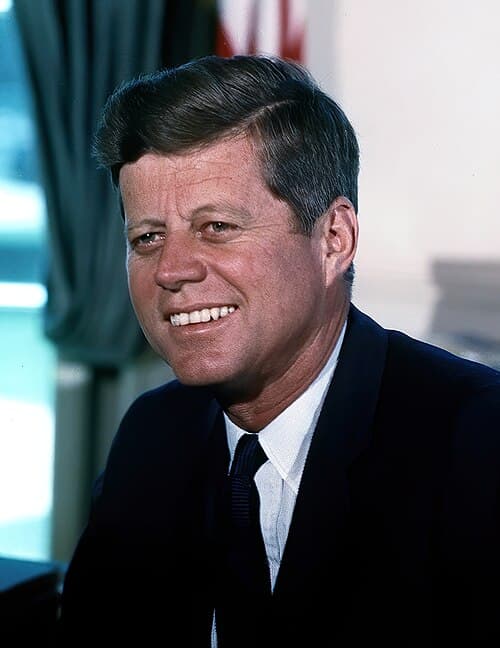
John F. Kennedy
PERSON829 w/ United·11 w/ Nicholas
Bill Clinton
PERSON528 w/ United·12 w/ Nicholas
Julie K. Brown
PERSON494 w/ United·8 w/ Nicholas
Samantha Power
PERSON458 w/ United·2 w/ Nicholas
Barack Obama
PERSON419 w/ United·5 w/ Nicholas
MW
Martin Weinberg
PERSON385 w/ United·2 w/ Nicholas
George Mitchell
PERSON338 w/ United·9 w/ Nicholas
Stephen Hawking
PERSON342 w/ United·2 w/ Nicholas
Woody Allen
PERSON294 w/ United·3 w/ Nicholas
Lawrence Krauss
PERSON225 w/ United·7 w/ Nicholas
Hillary Clinton
PERSON218 w/ United·12 w/ Nicholas
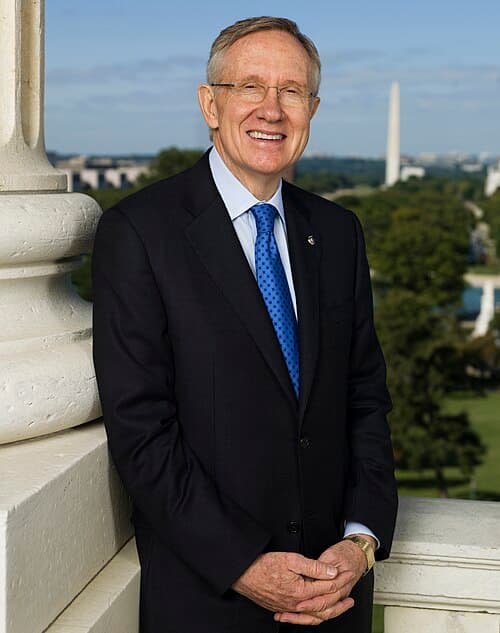
Harry Reid
PERSON202 w/ United·9 w/ Nicholas
Lebanon
LOCATION185 w/ United·5 w/ Nicholas
Tehran
LOCATION176 w/ United·3 w/ Nicholas
Bashar al-Assad
PERSON171 w/ United·4 w/ Nicholas
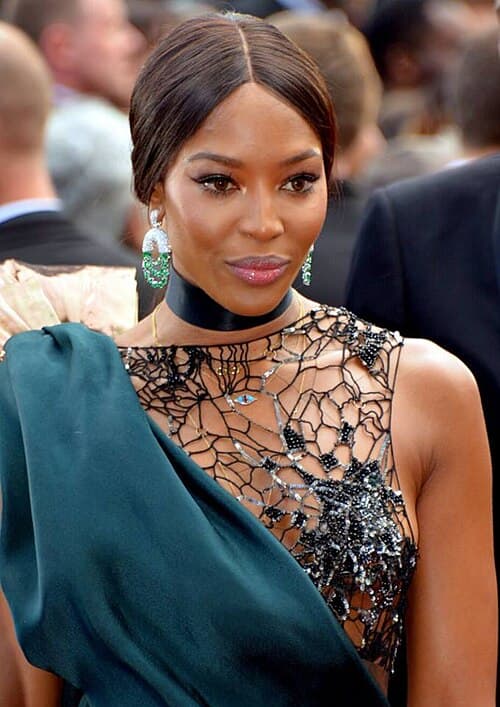
Naomi Campbell
PERSON147 w/ United·9 w/ Nicholas
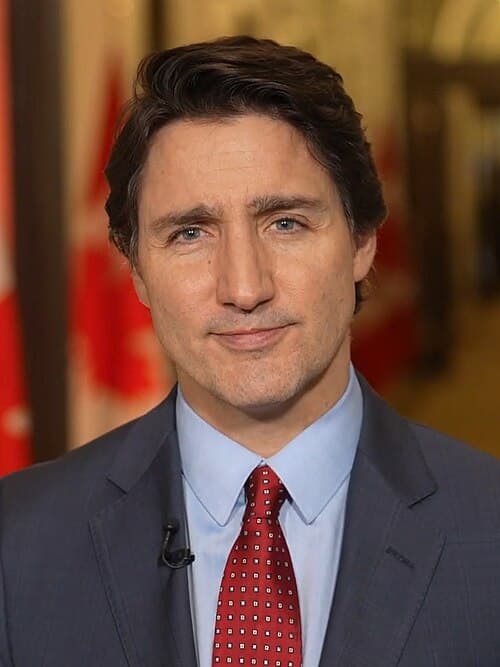
Justin Trudeau
PERSON147 w/ United·8 w/ Nicholas
Ronald Reagan
PERSON145 w/ United·2 w/ Nicholas