Back to Network















5
Shared Docs
5
Same-Page
7 / 10
Mentions
Document Mentions (5 shared documents)
5 mentions1 same-page
Page ?Same page
ses or errors. The intelligence community also now requires that analysts be told much more about the sources of the information they receive from the United States' human and technological spies. Analysts were left in the dark on such basic issues in the past, which helps explain why bogus information from fabr
Institute and a former ambassador to the United Nations in the Bush administration. Memories of Iraq have clouded the debate on Iran ever since the United States intelligence community first concluded in 2007 that Iran had halted its weapons program four years earlier. In late 2007, Michael McConnell, then t
iro's already wildly careening political scene. • happy to admit that Iwas taken by surprise. What was the Brotherhood thinking? The nomination of Shater seems to have been a response to threats and opportunities a rapidly changing political arena, rather than the hatching of a long-term plan. But ma
The ultraconservative Al-Nour Party is yet to announce its candidate of choice. Researcher of Islamic movements Abdel-Reheem Ali told DNE that Al- Shater's nomination will only affect the Islamist vote as liberals, leftists, and the revolutionary youth will never vote for him. "Al-Shater's candidacy
s the President of Egypt? I've been studying Egypt's Muslim Brotherhood for many years, and have interviewed most of its senior leaders (including Shater) multiple times. And I'll admit that I was surprised. So were most other MB-watchers I follow. That's in large part because it contradicts what I h
4 mentions1 same-page
Page ?Same page
ther and son), and Libya's Muammar al-Qaddafi. America sought to check and constrain their power, even removing one through invasion. But at times, the United States found common ground with them too. (See: cooperation with Saddam against the Iranian mullahs, and dancing with Assad on the peace process.) As pure
TA00660287 From Washington's vantage point, the Arab world wasn't so much divided into countries as it was broken down into personalities. Each of Americas' authoritarians had a role to play and a dramatic persona to accompany it. There was the good King Hussein, the wily but indispensable Arafat, the
"Egyptian renaissance," which they joyfully unfurled on cue. Meanwhile, senior officials at the head table drank from coffee mugs emblazoned with Shater's rather imposing headshot. Shater's last name means "clever" in Arabic -- a fitting moniker for the self-made millionaire -- and one handmade sign
ict of Shubra al-Kheima, a Brotherhood stronghold, to hear what their candidate would do upon capturing the Egyptian presidency. The rally, one of Shater's first since announcing his candidacy, managed to be both tightly organized and raucous -- Muslim Brotherhood cadres of all ages drowned out the n
3 mentions1 same-page
Page ?Same page
ight launch a military attack this summer if no real progress is made in the talks. The Iranians don't seem ready, for now, for a broad outreach to the United States. Jalili rejected a private bilateral meeting with U.S. Undersecretary of State Wendy Sherman. The Iranians seem to be preparing their public for a
s would seem rather long if one is to judge by the views of the Brotherhood's recently-named candidate to be president of Egypt, Khairat al Shater. Shater was, until his nomination, the deputy head of the Brotherhood and as such its chief operating officer. Among his responsibilities was the direction
lamic state which had endured for a 1000 years. Brotherhood organization and discipline had followed this model. But what of the "variables" which Shater did admit existed? Were there new circumstances which might require new methods and policies in pursuit of "Brotherhood work'?" Indeed there were a
Sponsored
3 mentions1 same-page
Page ?Same page
tment, but at some point the same forces of change that were transforming the rest of the world were bound to visit there as well. There was no way the United States would ever have pushed meaningful reform, let alone broken our ties with the authoritarians, unless the street did it for us. Great powers don't pi
s cannot be appealed) and implied its head is in the military's pocket. A second source of extreme uncertainty is the election itself. Assuming al- Shater's candidacy and the balloting move forward, Egypt simply has no experience in competitive presidential campaigns, making it very hard to predict ho
of just how much the political landscape has changed since the days when the U.S. pinned its hopes on a Mubarak regime that imprisoned the likes of Shater, the Times reports that the Brotherhood's candidate is in regular contact with U.S. Ambassador Anne Paterson, and that U.S. officials have praised
2 mentions1 same-page
Page ?Same page
lowed by fuller agreements. Both Tehran and Washington are downplaying expectations for the May 23 Baghdad negotiations between Iran and the P5+1 (the United States, Russia, China, Britain, France, and Germany). Indeed, the prospects for eventual success are uncertain. If Iran is truly prepared to deal, and if
on commission disqualified many of the top candidates who had announced their intentions to run and the Brotherhood had been given the tip that el- Shater would be considered a definite reject. In a surprise shift, the more ideologically strict Salafists countered with the comparatively moderate Abdel
Sponsored
Mutual Connections (68)
Entities connected to both United States and Shater
George W. Bush
PERSON2,223 w/ United·5 w/ Shater
Department of Justice
ORGANIZATION1,116 w/ United·2 w/ Shater
Prince Andrew
PERSON906 w/ United·2 w/ Shater
Marc Rich
PERSON626 w/ United·3 w/ Shater
Bill Clinton
PERSON528 w/ United·4 w/ Shater
Barack Obama
PERSON419 w/ United·5 w/ Shater
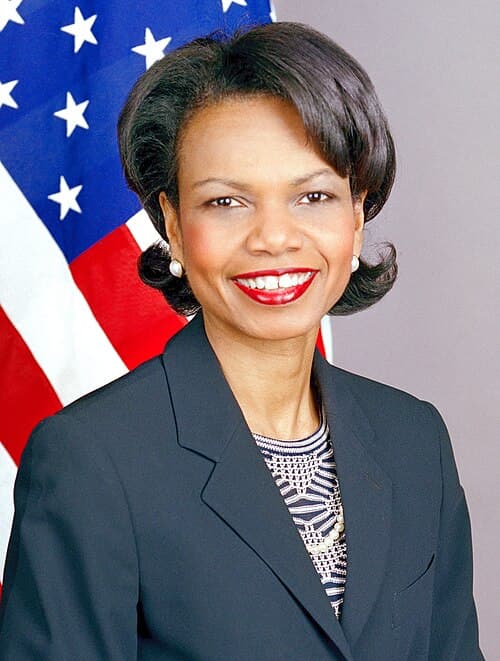
Condoleezza Rice
PERSON296 w/ United·2 w/ Shater
CW
Courtney Wild
PERSON261 w/ United·3 w/ Shater
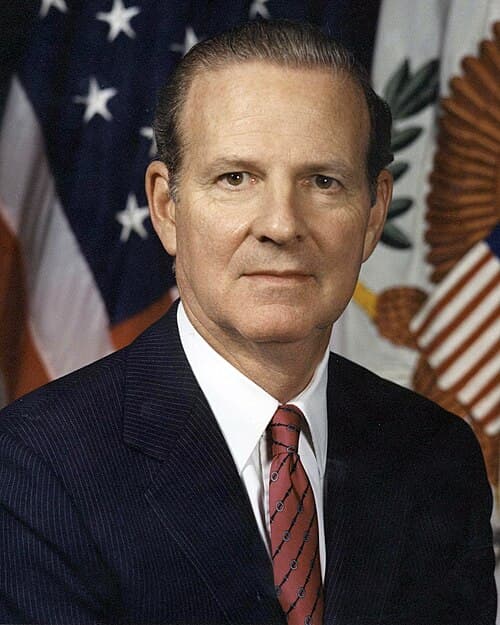
James Baker
PERSON226 w/ United·2 w/ Shater
Hillary Clinton
PERSON218 w/ United·3 w/ Shater
Benjamin Netanyahu
PERSON203 w/ United·4 w/ Shater
Middle East
LOCATION201 w/ United·2 w/ Shater
Lebanon
LOCATION185 w/ United·3 w/ Shater
Tehran
LOCATION176 w/ United·3 w/ Shater
Bashar al-Assad
PERSON171 w/ United·5 w/ Shater
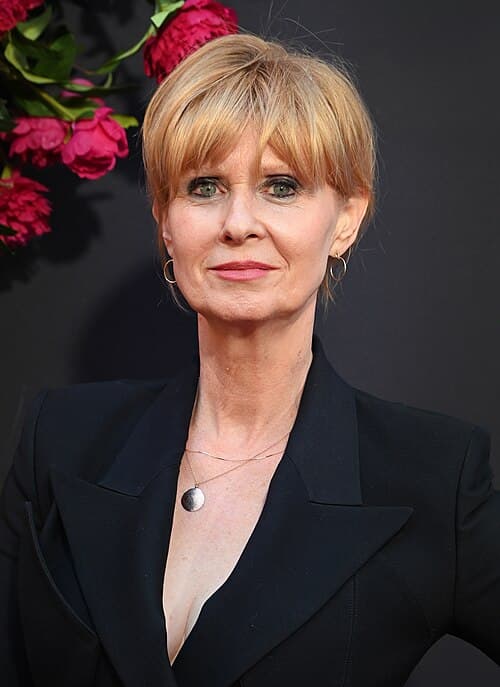
Cynthia Nixon
PERSON141 w/ United·2 w/ Shater
Cairo
LOCATION128 w/ United·5 w/ Shater
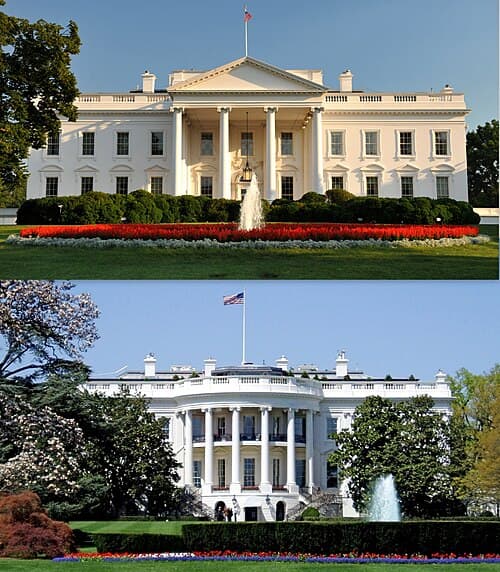
White House
ORGANIZATION130 w/ United·2 w/ Shater
Yemen
LOCATION130 w/ United·2 w/ Shater
Jerusalem
LOCATION127 w/ United·2 w/ Shater