Back to Network












4
Shared Docs
4
Same-Page
6 / 4
Mentions
Document Mentions (4 shared documents)
3 mentions1 same-page
Page ?Same page
that he may be contemplating a pause but not abandonment of his peace efforts." Mr. Kerry, in fact, was careful to leave open the possibility that the United States would seek a course correction, not a pullback. The months he spent nurturing serious talks, he insisted, were not wasted because the two sides had
center on Twitter: @Abraham Center Al-Ahram Weekly Did Obama succeed in Riyadh? Al-Sayed Amin Shalabi EFTA00705806 2 April, 2014 -- Since the Unites States established diplomatic relations with Saudi Arabia in 1933, and the summit meeting between US president Franklin D Roosevelt and king Abdul-Aziz Ib
s patience for peacemaking was not boundless. "Insofar as we find fault here, it is in the inability of either side to make tough decisions," said Benjamin J. Rhodes, a deputy national security adviser. "For us to continue to invest that kind of bandwidth in the process, need to see some investment from the part
3 mentions1 same-page
Page ?Same page
h President Obama to reassess the peace negotiations and whether there was a path forward. "There are limits to the amount of time and effort that the United States can spend, if the parties themselves are unwilling to take constructive steps in order to be able to move forward," Mr. Kerry said during a visit t
w Jersey—Those who have followed the last eight months of American-mediated Israeli- Palestinian negotiations have anticipated the unveiling of the United States' own "framework" for continued negotiations to achieve a permanent, comprehensive peace agreement. Whether or not this happens, for now the negotiat
's patience for peacemaking was not boundless. "Insofar as we find fault here, it is in the inability of either side to make tough decisions," said Benjamin J. Rhodes, a deputy national security adviser. "For us to continue to invest that kind of bandwidth in the process, we'd need to see some investment from th
2 mentions1 same-page
Page ?Same page
that concern. He told his staff during recent Situation Room meetings as American naval and air power was moved into the eastern Mediterranean that no United States intervention would alter the long-term balance of power in the Syrian civil war. That was the bitter lesson of the Iraq and Afghan wars for Mr. Oba
world. But he is not intervening to stop the mass killing, or to remove the man behind those attacks. "This is not like the Bush decision in 2003," Benjamin J. Rhodes, a deputy national security adviser, said on Thursday. "That intervention was aimed at regime change. This is designed to restore an international
Sponsored
2 mentions1 same-page
Page ?Same page
94526 Personally, I think Nordhaus is being too pessimistic here. Start with the issue of international cooperation. It seems fairly clear that if the United States were to get serious about climate policy, Europe and Japan would quickly follow suit, so that we would have what amounted to a solid bloc of wealth
re trying to be honest and realistic." Mr. Gordon took part in the Saturday sessions, along with two of Ms. Rice's deputies, Antony J. Blinken and Benjamin J. Rhodes; the national security adviser to the vice president, Jake Sullivan; the president's counterterrorism adviser, Lisa Monaco; a senior economic offic
Sponsored
Mutual Connections (92)
Entities connected to both United States and Benjamin J. Rhodes
George W. Bush
PERSON2,223 w/ United·4 w/ Benjamin
Marc Rich
PERSON626 w/ United·2 w/ Benjamin
Scarlett Johansson
PERSON525 w/ United·2 w/ Benjamin
Barack Obama
PERSON419 w/ United·4 w/ Benjamin
Stephen Hawking
PERSON342 w/ United·2 w/ Benjamin
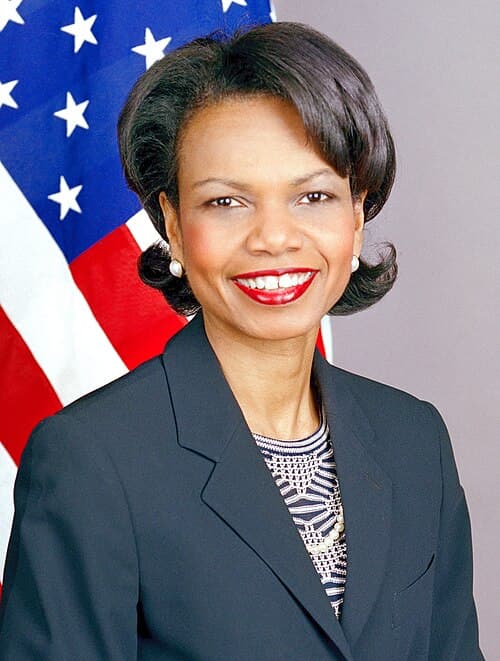
Condoleezza Rice
PERSON296 w/ United·2 w/ Benjamin
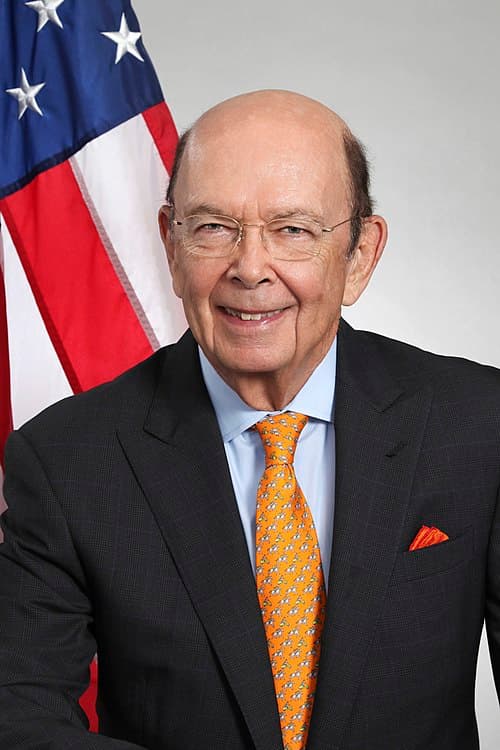
Wilbur Ross
PERSON269 w/ United·2 w/ Benjamin
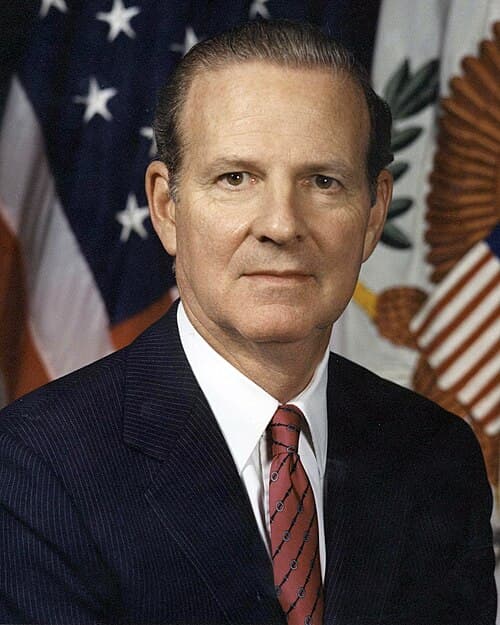
James Baker
PERSON226 w/ United·2 w/ Benjamin
Benjamin Netanyahu
PERSON203 w/ United·2 w/ Benjamin
Middle East
LOCATION201 w/ United·3 w/ Benjamin
Lebanon
LOCATION185 w/ United·3 w/ Benjamin
Tehran
LOCATION176 w/ United·3 w/ Benjamin
Bashar al-Assad
PERSON171 w/ United·4 w/ Benjamin
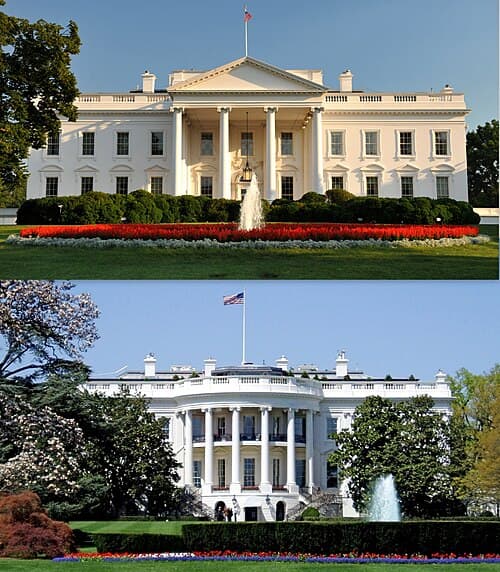
White House
ORGANIZATION130 w/ United·2 w/ Benjamin
Cairo
LOCATION128 w/ United·3 w/ Benjamin
Jerusalem
LOCATION127 w/ United·2 w/ Benjamin
John Kerry
PERSON122 w/ United·4 w/ Benjamin
Geneva
LOCATION116 w/ United·2 w/ Benjamin
European Parliament
ORGANIZATION112 w/ United·2 w/ Benjamin
Terje Rod-Larsen
PERSON108 w/ United·3 w/ Benjamin