Back to Network
















6
Shared Docs
5
Same-Page
12 / 6
Mentions
Document Mentions (6 shared documents)
3 mentions1 same-page
Page ?Same page
ip of U.S. foreign policy the best, according to Zoellick's mentor, former Secretary of State James Baker. "I know where I am; I think I know where Henry Kissinger and George Shultz are. I think we were all pretty darn successful secretaries of state," Baker said in a long interview Thursday with The Cable. "
Baker pointed to a recent New York Times column by Tom Friedman arguing that the most successful American leaders on the Middle East process were Kissinger, Jimmy Carter, and himself. In any case, Baker said, Zoellick "wasn't involved extensively" in making policy toward Israel. "He was not the lead
is currently called — but has also expanded its scope and lethality. The legal and physical infrastructure of the conflict, from the Patriot Act to Guantanamo Bay, remains in place. The mommy party, in this instance, has become daddy with a drone and a hit list. This has largely taken defense and foreign pol
3 mentions1 same-page
Page ?Same page
n officials talk frequently about China in domestic contexts, the president's policy toward Beijing is fundamentally incoherent. Two recent books, Henry Kissinger's On China and Aaron Friedberg's A Contest for Supremacy: China, America, and the Struggle for Mastery in Asia, suggest two very different interpret
a, and the Struggle for Mastery in Asia, suggest two very different interpretations of Chinese conduct and propose alternative American responses. Kissinger views China as a rising but thus far moderate power and warns against creating a self-fulfilling prophecy that could lead to zero-sum competition b
y September 2012, and writes that he has been EFTA_R1_02036097 EFTA02693037 26 "happy to note" that Mr. Obama has failed to close the prison in Guantanamo Bay, Cuba, as he had pledged. Mr. Cheney's long struggle with heart disease is a recurring theme in the book. He discloses that he wrote a letter of re
3 mentions1 same-page
Page ?Same page
n officials talk frequently about China in domestic contexts, the president's policy toward Beijing is fundamentally incoherent. Two recent books, Henry Kissinger's On China and Aaron Friedberg's A Contest for Supremacy: China, America, and the Struggle for Mastery in Asia, suggest two very different interpret
a, and the Struggle for Mastery in Asia, suggest two very different interpretations of Chinese conduct and propose alternative American responses. Kissinger views China as a rising but thus far moderate power and warns against creating a self-fulfilling prophecy that could lead to zero-sum competition b
y September 2012, and writes that he has been EFTA_R1_02036164 EFTA02693094 26 "happy to note" that Mr. Obama has failed to close the prison in Guantanamo Bay, Cuba, as he had pledged. Mr. Cheney's long struggle with heart disease is a recurring theme in the book. He discloses that he wrote a letter of re
Sponsored
3 mentions1 same-page
Page ?Same page
s." Obama may resist the idealism of a previous generation of interventionists, but his realism, if that's what it is, diverges from the realism of Henry Kissinger or Brent Scowcroft. "It comes from the idea that change is organic and change comes to countries in its own way, modernization comes in its own way
s what it is, diverges from the realism of Henry Kissinger or Brent Scowcroft. "It comes from the idea that
the co-founder of the group Code Pink, interrupted him, loudly and at length, to talk about drone strikes and about closing the American prison at Guantanamo Bay. While some in the audience tried to drown her out with applause, and security people proceeded to drag her away, Obama asserted Benjamin's right t
3 mentions1 same-page
Page ?Same page
ers to is Brice Taylor, author of the first competitor of 7rance Formation, published in 1999—Thanks for the Memories: The Memoirs of Bob Hope’ s and Henry Kissinger’ s Mind- Controlled Slave—in which she asserts that Walt Disney raped her on Mr. Toad’ s Wild Ride; that she had sex with all three Kennedy brothers
he Memories: The Memoirs of Bob Hope’ s and Henry Kissinger’ s Mind- Controlled Slave—in which she asserts th
ist Cuban terror campaign in the HOUSE_OVERSIGHT_015234 Miami area, in other Florida cities and even in Washington. We could blow up a U.S. ship in Guantanamo Bay and blame Cuba. Casualty lists in U.S. newspapers would cause a helpful wave of indignation.” In an interview, Bamford said, “What the Joint Chiefs
Page HOUSE_OVERSIGHT_024611
ion officials talk frequently about China in domestic contexts, the president’s policy toward Beijing is fundamentally incoherent. Two recent books, Henry Kissinger’s On China and Aaron Friedberg’s A Contest for Supremacy: China, America, and the Struggle for Mastery in Asia, suggest two very different interpretati
Page: HOUSE_OVERSIGHT_024611 →rica, and the Struggle for Mastery in Asia, suggest two very different interpretations of Chinese conduct and propose alternative American responses. Kissinger views China as a rising but thus far moderate power and warns against creating a self-fulfilling prophecy that could lead to zero-sum competition bet
Page: HOUSE_OVERSIGHT_024611 →Page HOUSE_OVERSIGHT_024617
r 2012, and writes that he has been HOUSE_OVERSIGHT_024616 --- PAGE BREAK --- 26 “happy to note” that Mr. Obama has failed to close the prison in Guantanamo Bay, Cuba, as he had pledged. Mr. Cheney’s long struggle with heart disease is a recurring theme in the book. He discloses that he wrote a letter of res
Page: HOUSE_OVERSIGHT_024617 →Sponsored
Mutual Connections (583)
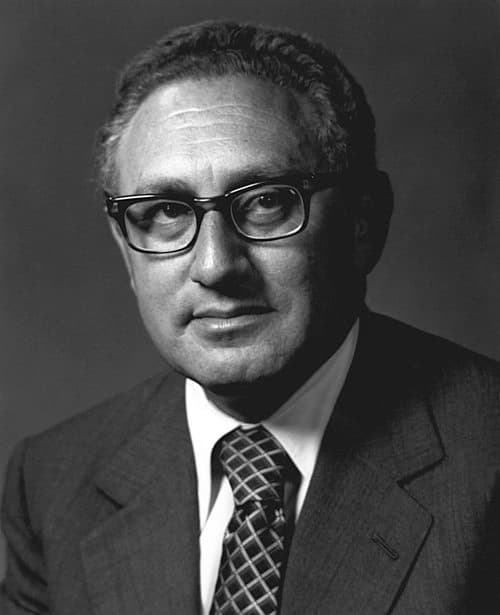
Entities connected to both Henry Kissinger and Guantanamo Bay
Jeffrey Epstein
PERSON143 w/ Henry·34 w/ Guantanamo
George W. Bush
PERSON66 w/ Henry·23 w/ Guantanamo
Donald Trump
PERSON55 w/ Henry·31 w/ Guantanamo
Barack Obama
PERSON53 w/ Henry·33 w/ Guantanamo
Marc Rich
PERSON67 w/ Henry·16 w/ Guantanamo
Bill Clinton
PERSON70 w/ Henry·12 w/ Guantanamo
United States
LOCATION55 w/ Henry·25 w/ Guantanamo
Joe Biden
PERSON45 w/ Henry·33 w/ Guantanamo
LB
Leon Black
PERSON52 w/ Henry·22 w/ Guantanamo
Prince Andrew
PERSON46 w/ Henry·27 w/ Guantanamo
Woody Allen
PERSON57 w/ Henry·16 w/ Guantanamo
Prince Charles
PERSON50 w/ Henry·17 w/ Guantanamo
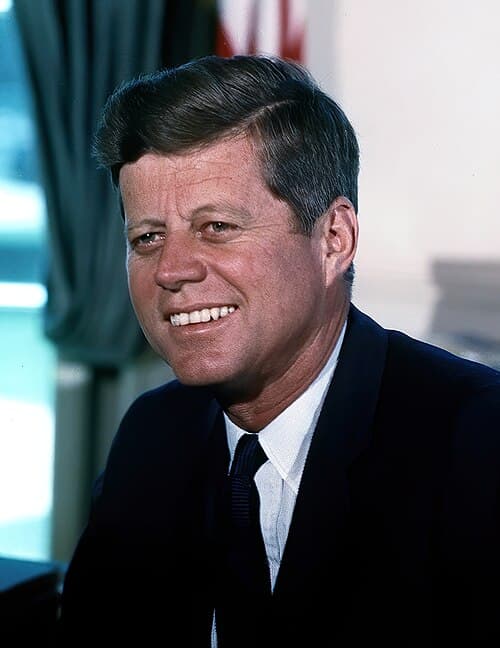
John F. Kennedy
PERSON48 w/ Henry·11 w/ Guantanamo
Samantha Power
PERSON37 w/ Henry·21 w/ Guantanamo
Department of Justice
ORGANIZATION26 w/ Henry·32 w/ Guantanamo
Alan Dershowitz
PERSON49 w/ Henry·8 w/ Guantanamo
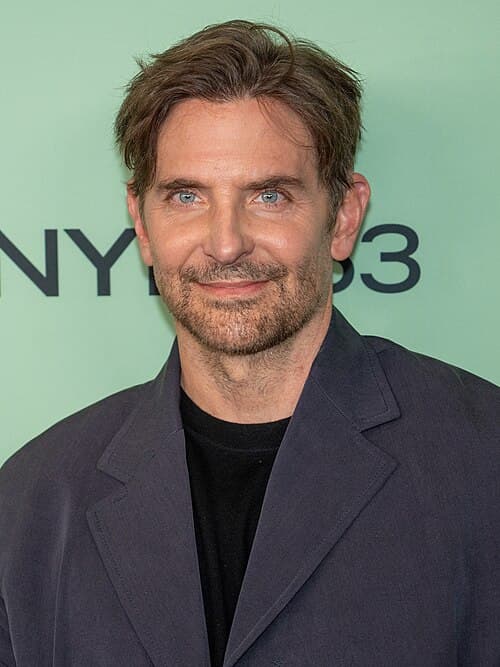
Bradley Cooper
PERSON51 w/ Henry·5 w/ Guantanamo
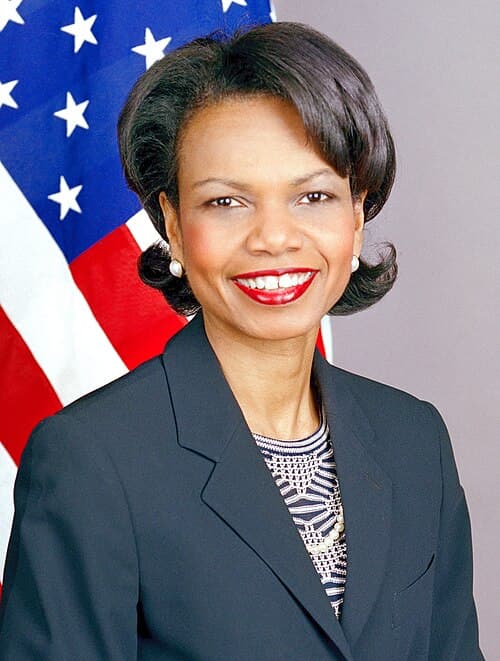
Condoleezza Rice
PERSON43 w/ Henry·12 w/ Guantanamo
Virginia Giuffre
PERSON21 w/ Henry·32 w/ Guantanamo
Hillary Clinton
PERSON41 w/ Henry·12 w/ Guantanamo