Back to Network















7
Shared Docs
6
Same-Page
14 / 7
Mentions
Document Mentions (7 shared documents)
3 mentions1 same-page
Page ?Same page
ed between different kinds of power—such as Bill Clinton's political power, wrestlers' and weight lifters'
him and made him look above suspicion. In a videotaped interview with Steve Bannon, Epstein differentiated between different kinds of power—such as Bill Clinton's political power, wrestlers' and weight lifters' physical power, and Gerry Edelman's intellectual power—and acknowledged that he gravitated to peopl
d or avoided and that failing to do so constitutes knowledge or intent. c. Opinions Related to the Halo Effect The term "Halo effect" was coined by Thomdike (1920) a century ago. The Halo effect is a cognitive bias in impression formation whereby the positive evaluation of one characteristic has a radia
3 mentions1 same-page
Page ?Same page
him and made him look above suspicion. In a videotaped interview with Steve Bannon, Epstein differentiated between different kinds of power—such as Bill Clinton's political power, wrestlers' and weight lifters' physical power, and Gerry Edelman's intellectual power—and acknowledged that he gravitated to peopl
ed between different kinds of power—such as Bill Clinton's political power, wrestlers' and weight lifters'
d or avoided and that failing to do so constitutes knowledge or intent. c. Opinions Related to the Halo Effect The term "Halo effect" was coined by Thomdike (1920) a century ago. The Halo effect is a cognitive bias in impression formation whereby the positive evaluation of one characteristic has a radia
Sponsored
3 mentions1 same-page
Page ?Same page
him and made him look above suspicion. In a videotaped interview with Steve Bannon, Epstein differentiated between different kinds of power—such as Bill Clinton's political power, wrestlers' and weight lifters' physical power, and Gerry Edelman's intellectual power—and acknowledged that he gravitated to peopl
ed between different kinds of power—such as Bill Clinton's political power, wrestlers' and weight lifters'
d or avoided and that failing to do so constitutes knowledge or intent. c. Opinions Related to the Halo Effect The term "Halo effect" was coined by Thomdike (1920) a century ago. The Halo effect is a cognitive bias in impression formation whereby the positive evaluation of one characteristic has a radia
3 mentions1 same-page
Page ?Same page
ed between different kinds of power—such as Bill Clinton's political power, wrestlers' and weight lifters'
him and made him look above suspicion. In a videotaped interview with Steve Bannon, Epstein differentiated between different kinds of power—such as Bill Clinton's political power, wrestlers' and weight lifters' physical power, and Gerry Edelman's intellectual power—and acknowledged that he gravitated to peopl
d or avoided and that failing to do so constitutes knowledge or intent. c. Opinions Related to the Halo Effect The term "Halo effect" was coined by Thomdike (1920) a century ago. The Halo effect is a cognitive bias in impression formation whereby the positive evaluation of one characteristic has a radia
Sponsored
3 mentions
Page EFTA00016272
d or avoided and that failing to do so constitutes knowledge or intent. c. Opinions Related to the Halo Effect The term "Halo effect" was coined by Thomdike (1920) a century ago. The Halo effect is a cognitive bias in impression formation whereby the positive evaluation of one characteristic has a radia
Page: EFTA00016272 →Page EFTA00016273
ntiated between different kinds of power—such as Bill Clinton's political power, wrestlers' and weight lifters'
Page: EFTA00016273 →ed between different kinds of power—such as Bill Clinton's political power, wrestlers' and weight lifters'
Page: EFTA00016273 →Sponsored
Mutual Connections (116)
Entities connected to both Bill Clinton and Thomdike
Jeffrey Epstein
PERSON2,372 w/ Bill·7 w/ Thomdike
Ghislaine Maxwell
PERSON1,057 w/ Bill·7 w/ Thomdike
Prince Andrew
PERSON997 w/ Bill·5 w/ Thomdike
Marc Rich
PERSON599 w/ Bill·7 w/ Thomdike
Department of Justice
ORGANIZATION477 w/ Bill·7 w/ Thomdike
Virginia Giuffre
PERSON408 w/ Bill·6 w/ Thomdike
Stephen Hawking
PERSON311 w/ Bill·3 w/ Thomdike
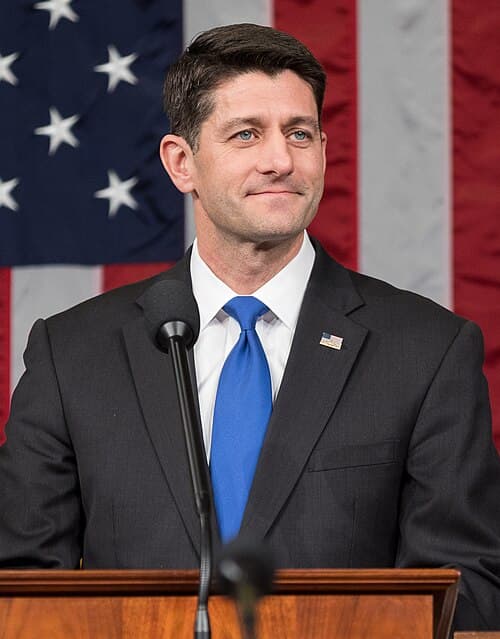
Paul Ryan
PERSON220 w/ Bill·5 w/ Thomdike
Southern District
LOCATION178 w/ Bill·6 w/ Thomdike
Colorado
LOCATION177 w/ Bill·6 w/ Thomdike
Steve Bannon
PERSON118 w/ Bill·7 w/ Thomdike
Jennifer Lopez
PERSON99 w/ Bill·3 w/ Thomdike
Denver
LOCATION80 w/ Bill·6 w/ Thomdike
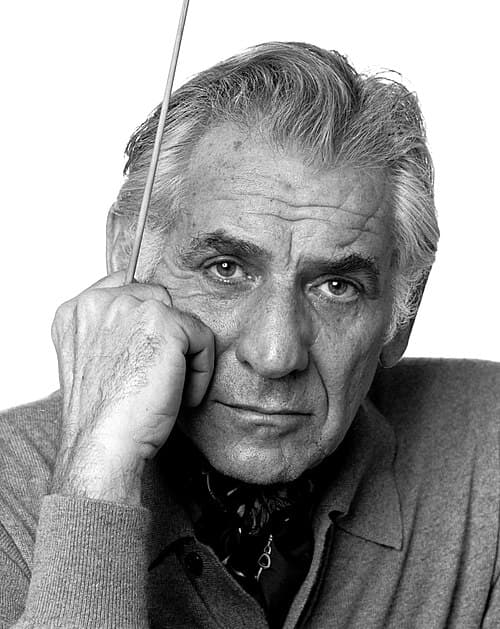
Bernstein
PERSON56 w/ Bill·7 w/ Thomdike
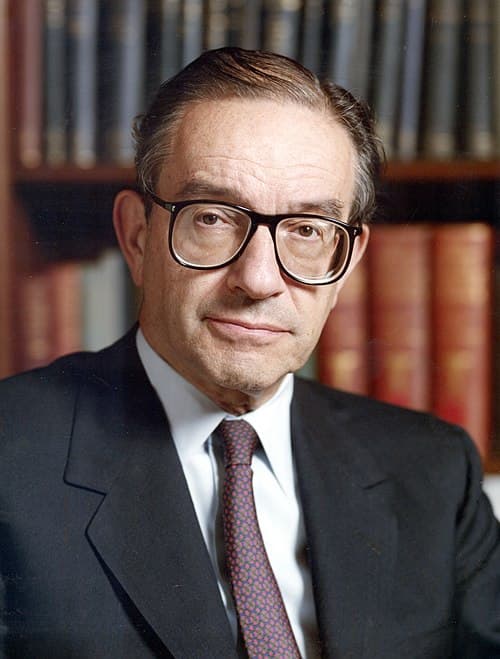
Alan Greenspan
PERSON37 w/ Bill·7 w/ Thomdike
Arlington
LOCATION31 w/ Bill·7 w/ Thomdike
University of Oxford
ORGANIZATION31 w/ Bill·6 w/ Thomdike
Germany
LOCATION31 w/ Bill·5 w/ Thomdike
JP
Jeffrey Pagliuca
PERSON27 w/ Bill·6 w/ Thomdike
University of California
ORGANIZATION25 w/ Bill·6 w/ Thomdike