Back to Network













7
Shared Docs
6
Same-Page
17 / 10
Mentions
Document Mentions (7 shared documents)
5 mentions1 same-page
Page ?Same page
d. In 1972, Nixon won another term by a popular-vote margin of twenty-three points. In 1984, Reagan won his reelection by eighteen points. In 1992, Clinton won his by nine points. In 2004, Bush beat John Kerry by just 2.5 points, the smallest margin of victory for the reelection of a President since t
reelected Obama could suddenly find his best historical opportunity thrust upon him. Here the arc of Obama's Presidency begins to resemble that of Bill Clinton's. Both pursued bold domestic agendas in their first two years before Republicans made large midterm gains in Congress, which led to repeated clashes
eality of whatever situation they've inherited. "President Clinton used to say to us, `Look, this is what every Pre
haron's stroke in early 2006 did not kill that plan, and indeed, Ehud Olmert ran and won on something like it when he succeeded Sharon as leader of Kadima. Olmert called it hitkansut -- translated as convergence, gathering, or rallying together. The idea was the same: pull back from isolated settleme
viously presented a peace plan that would result in the creation of a Palestinian state in 60 percent of the West Bank's land -- has won control of Kadima and joined the government, there has been some speculation about whether the "peace process" will soon be revived. It will not. There have been no
5 mentions1 same-page
Page ?Same page
l beyond the diplomacy of the Middle East: science, music, and our shared interest in history. What most struck Nava and me, however, was the way the Clintons interacted with each other. The scandal surrounding Monica Lewinsky was still fresh. I suppose we expected to see signs of tension. Whether they were
ing and running the election campaign. We met at Labor headquarters in Milbank Towers so Philip could show me the “war room” — modelled, in part, on Bill Clinton’s campaign operation — from which the victory had been planned and executed. It was a large, open-plan space, nothing like the warren of offices and co
to revive it, we were running against the clock. President Clinton, a key player in any hope of turning the promise
ich he would never emerge. His notional deputy, the veteran Likud politician and former Jerusalem mayor Ehud Olmert, found himself as Prime Minister. Kadima did comfortably win the May election. It ended up with 29 seats, followed by Labor with 19 and leaving the Netanyahu-led Likud with only 12. Olmert f
longer Prime Minister by then. With Bibi marshalling opposition inside the Likud to the Gaza disenagegment, he had formed a new centrist party called Kadima, along with prominent Likud moderates and buttressed by a Labor heavyweight: Shimon Peres. But before the election, Arik suffered a pair of strokes,
5 mentions1 same-page
Page ?Same page
l beyond the diplomacy of the Middle East: science, music, and our shared interest in history. What most struck Nava and me, however, was the way the Clintons interacted with each other. The scandal surrounding Monica Lewinsky was still fresh. I suppose we expected to see signs of tension. Whether they were
ning and running the election campaign. We met at Labor headquarters in Milbank Towers so Philip could show me the "war room" - modelled, in part, on Bill Clinton's campaign operation - from which the victory had been planned and executed. It was a large, open-plan space, nothing like the warren of offices and co
to revive it, we were running against the clock. President Clinton, a key player in any hope of turning the promise
ich he would never emerge. His notional deputy, the veteran Likud politician and former Jerusalem mayor Ehud Olmert, found himself as Prime Minister. Kadima did comfortably win the May election. It ended up with 29 seats, followed by Labor with 19 and leaving the Netanyahu-led Likud with only 12. Olmert f
longer Prime Minister by then. With Bibi marshalling opposition inside the Likud to the Gaza disenagegment, he had formed a new centrist party called Kadima, along with prominent Likud moderates and buttressed by a Labor heavyweight: Shimon Peres. But before the election, Arik suffered a pair of strokes,
Sponsored
3 mentions1 same-page
Page ?Same page
ut he was unquestionably committed to America’s alliance with Israel. I had dealt face-to-face with four US presidents: both of the Bushes, President Clinton and now President Obama. In terms of Israeli security, none had proved as consistently supportive and helpful as Obama. And yes, Israel did face an a
face with four US presidents: both of the Bushes, President Clinton and now President Obama. In terms of Israeli secu
that I believed he couldn’t continue leading the country while resolving his “personal matters”. Things finally came to ahead in September 2008. When Kadima held fresh leadership elections, Tzipi Livni won. Olmert confirmed he would step aside for his successor. But under Israeli law, he would remain Prim
3 mentions1 same-page
Page ?Same page
ut he was unquestionably committed to America's alliance with Israel. I had dealt face-to-face with four US presidents: both of the Bushes, President Clinton and now President Obama. In terms of Israeli security, none had proved as consistently supportive and helpful as Obama. And yes, Israel did face an a
face with four US presidents: both of the Bushes, President Clinton and now President Obama. In terms of Israeli secu
that I believed he couldn't continue leading the country while resolving his "personal matters". Things finally came to ahead in September 2008. When Kadima held fresh leadership elections, Tzipi Livni won. Olmert confirmed he would step aside for his successor. But under Israeli law, he would remain Prim
2 mentions1 same-page
Page ?Same page
ying to get the bomb, the Americans bribed them with F-16s not to. Now, some of those same F-16s are wired to carry Pakistani A-bombs. And remember Clinton and North Korea. He was determined to stop them. But look what happened." Such a jaundiced view of history also lies behind Barak's advocacy of Is
ood that "there are no shortcuts and leadership is not a one-man show." The party bought it, and he replaced Peretz in Prime Minister Ehud Olmert's Kadima-led coalition government. EFTA00693045 Then, in 2008, Olmert was forced to resign because of corruption allegations, and new elections brought N
Sponsored
Page HOUSE_OVERSIGHT_023140
1995) 441 Sharm el-Sheikh Summit of Peacemakers Final Statement (13 March 1996) 454 Camp David Statement (25 July 2000) 456 Remarks by US President Bill Clinton and President Hosni Mubarak of Egypt in Delivery of Joint Statements at the Conclusion of the Middle East Peace Summit (17 October 2000) 458 Clinton
Page: HOUSE_OVERSIGHT_023140 →Page HOUSE_OVERSIGHT_023156
ber 1998 Wye River Agreement signed by Arafat and Netanyahu. 14 December 1998 The Palestinian National Council convenes in the presence of President Clinton to reaffirm the annulling of clauses of the Palestinian Charter which denied Israel’s right to exist. 7 February 1999 King Hussein of Jordan dies. A
Page: HOUSE_OVERSIGHT_023156 →12/9/2014, SPi xxiv Chronology 15 December 1999 President Clinton hosts summit meeting with Israel’s Prime Minister
Page: HOUSE_OVERSIGHT_023156 →Page HOUSE_OVERSIGHT_023158
ouncil elections. Quartet Statement on Palestinian Legislative elections. Ismail Haniyeh of Hamas appointed Prime Minister. Hamas Political Program. Kadima leader Ehud Olmert wins Israeli elections. Palestinian Government led by Hamas sworn in. Quartet Statement on Hamas. Palestinian Prisoners’ Document
Page: HOUSE_OVERSIGHT_023158 →Sponsored
Mutual Connections (343)
Entities connected to both Bill Clinton and Kadima
Jeffrey Epstein
PERSON2,372 w/ Bill·2 w/ Kadima
Prince Andrew
PERSON997 w/ Bill·2 w/ Kadima
George W. Bush
PERSON800 w/ Bill·7 w/ Kadima
Hillary Clinton
PERSON777 w/ Bill·5 w/ Kadima
Barack Obama
PERSON648 w/ Bill·9 w/ Kadima
United States
LOCATION528 w/ Bill·8 w/ Kadima
Department of Justice
ORGANIZATION477 w/ Bill·2 w/ Kadima
Virginia Giuffre
PERSON408 w/ Bill·4 w/ Kadima
John F. Kennedy
PERSON337 w/ Bill·3 w/ Kadima
Michael Jackson
PERSON244 w/ Bill·2 w/ Kadima
Michael Cohen
PERSON239 w/ Bill·2 w/ Kadima
Ehud Barak
PERSON222 w/ Bill·8 w/ Kadima
Wilbur Ross
PERSON217 w/ Bill·3 w/ Kadima
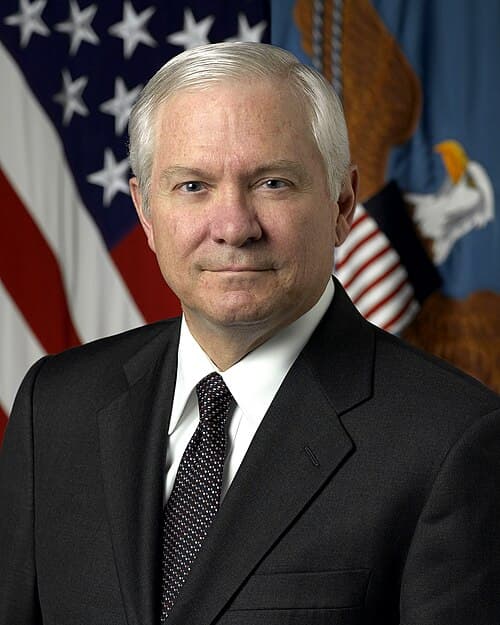
Robert Gates
PERSON214 w/ Bill·2 w/ Kadima
Benjamin Netanyahu
PERSON199 w/ Bill·9 w/ Kadima
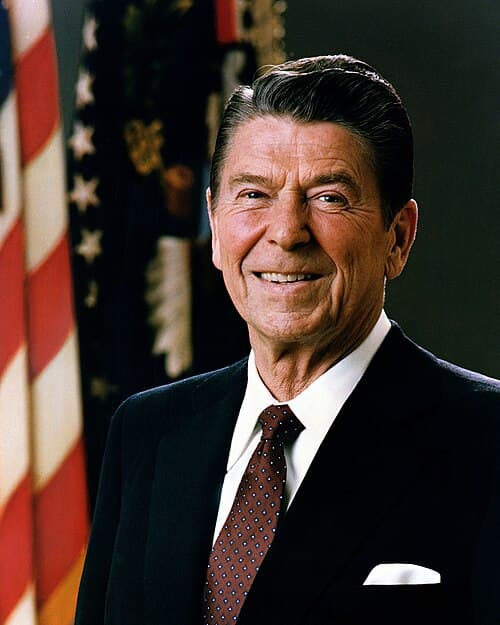
Ronald Reagan
PERSON186 w/ Bill·2 w/ Kadima
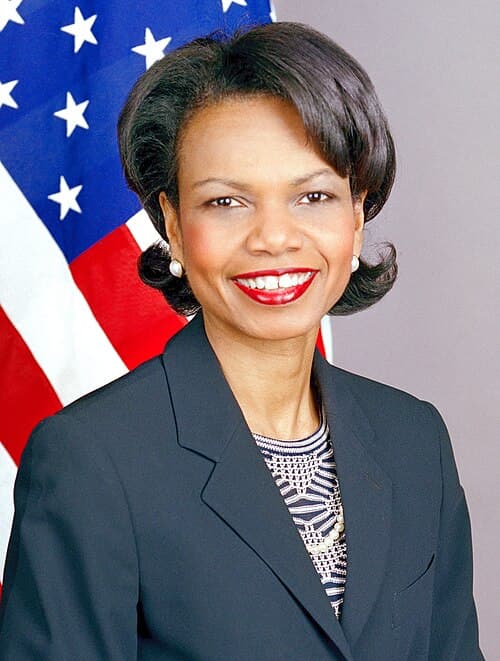
Condoleezza Rice
PERSON177 w/ Bill·2 w/ Kadima
Lebanon
LOCATION146 w/ Bill·8 w/ Kadima
Bashar al-Assad
PERSON143 w/ Bill·8 w/ Kadima
Middle East
LOCATION146 w/ Bill·5 w/ Kadima