Back to Network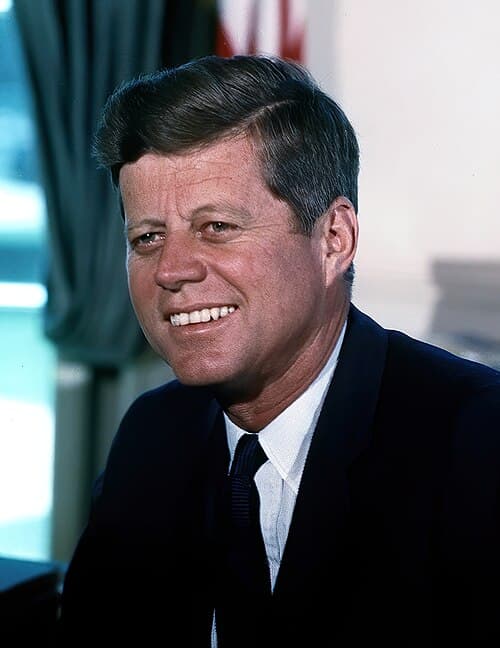


5
Shared Docs
5
Same-Page
10 / 5
Mentions
Document Mentions (5 shared documents)
4 mentions1 same-page
Page ?Same page
ss) * On lalling throughout history: Wrangham, R.W. & Glowacki, L. (in press). Intergroup aggression
r, including cases where society at large also suffers. Smith initiated the study prior to the US Presidential elections in 2004 involving Republican George W. Bush and Democrat John Kerry; during this period, the Republicans controlled both executive branches of the government. Each subject — all college undergr
party. Next, every subject read and provided reactions to short newspaper articles describing tragicomic moments for the two candidates, one in which Bush fell off his bicycle while riding, and the other involving Kerry wearing a bizarre space outfit during a visit to NASA. Last, subjects read and react
e Attack Martyrdoms: Temperament and Mindset of Altruistic Warriors. In: Pathological Altruism (ed. B. Oakley), Oxford University Press, 1-20; Watts, D. P., Muller, M., Amsler, S. J., Mbabazi, G., & Mitani, J. C. (2006). Lethal intergroup aggression by chimpanzees in Kibale National Park, Uganda. America
4 mentions1 same-page
Page ?Same page
individual differences, and normality. Organizational Behavior and Human Decision Processes, 94, 74-85; Cushman, F., Knobe, J., & Sinnott-Armstrong, W. (2008). Moral appraisals affect doing/allowing judgments. Cognition, 308, 281-289; Haidt, J., & Baron, J. (1996). Social roles and the moral judgment
d to foreseeable atrocities. Sometimes our desires are toxic, as when we plot to extinguish a culturally distinctive group. On one reading, President George W. Bush may well have initiated the wars in Afghanistan and Iraq as retaliatory attacks on terrorists, designed to protect American interests and well-being.
nctive group. On one reading, President George W. Bush may well have initiated the wars in Afghanistan a
Baron-Cohen, S. (2011). The Science of Evil. New York: Basic Books. Hamburg, D. (2008). Preventing Genocide. Denver: Paradigm Publishers. Johnson, D. P. (2004). Overconfidence and war. Cambridge, Harvard University Press. Kelman, H.C., & Hamilton, V.L. (1989). Crimes of Obedience: toward a social psy
3 mentions1 same-page
Page ?Same page
Eyewitness memory enhancement in the police interview: Cognitive retrieval mnemonics versus hypnosis. Journal of Applied Psychology, 70, 401-412. George, R. C. & Clifford, B. (1992). Making the most of witnesses. Policing, 8, 185-198. Greenwald, A. G. (1970). Sensory feedback mechanisms in performanc
. Psychiatry, Psychology & Law, 91, 69-78. Cote, W. & Simpson, R. (2000). Covering violence: A guide
e efficacy of a self-administered interview tool. Law and Human Behavior, 33(4), 298-307 EFTA01657060 Geiselman, R. E., Fisher, R. P., MacKinnon, D. P., & Holland, H. L. (1985). Eyewitness memory enhancement in the police interview: Cognitive retrieval mnemonics versus hypnosis. Journal of Applied
Sponsored
2 mentions1 same-page
Page ?Same page
dx.doe.oeg/10.1177/0093854809333610 Creswell. J. W. (1998). Qualitative inanity and research design:
ward the devel- opment of broader policies that focus on the coercive control process. References Baldwin. S. B.. Fehrenbaclier, A. E. & Eisrnman. D. P. (2015). Psycho- logical coercion in human trafficking. Qualitative Health Research. 25. 1171-1181. http://th.doroggflO.I ONI0497323I4157087 Etenau
2 mentions1 same-page
Page ?Same page
offorensicpsWholoS31 New NOE: Wiley. Johnston, W. A., Greenberg, S. N., Fisher, R. P.. & Martin, D.
irical evaluation of the Cognitive Interview. Journal of PoliceScierwe ana' Administration 12, 130-138. Geiselman, R. E., Fisher, R. P., MacKinnon, D. P., & Holland, H. L (1985). Elessimess memory enhancement in the police interview: Cognitive retrieval mnemonics versus hypnosis. Journal of Applied
Sponsored
Mutual Connections (100)
Entities connected to both George W. Bush and D. P.
John F. Kennedy
PERSON2,074 w/ George·2 w/ D.
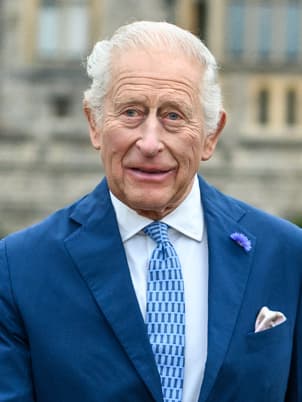
Prince Charles
PERSON1,166 w/ George·3 w/ D.
LB
Leon Black
PERSON901 w/ George·3 w/ D.
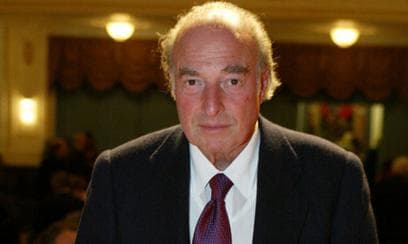
Marc Rich
PERSON853 w/ George·3 w/ D.
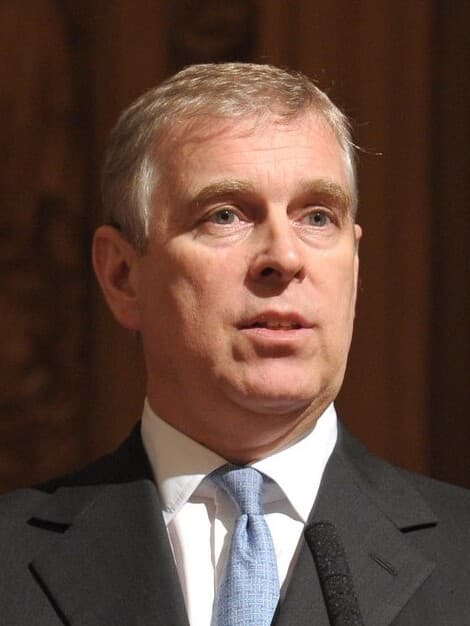
Prince Andrew
PERSON817 w/ George·2 w/ D.
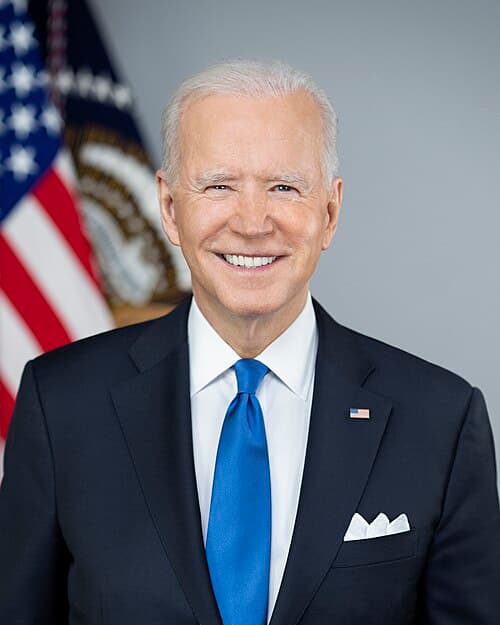
Joe Biden
PERSON770 w/ George·2 w/ D.
Julie K. Brown
PERSON750 w/ George·3 w/ D.
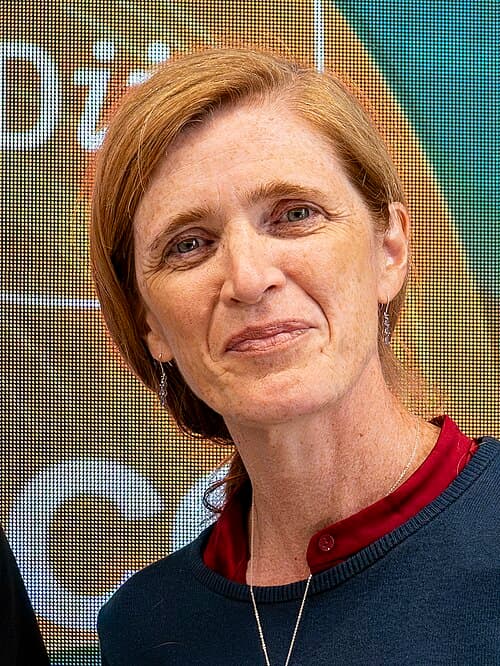
Samantha Power
PERSON510 w/ George·2 w/ D.
Scarlett Johansson
PERSON487 w/ George·3 w/ D.
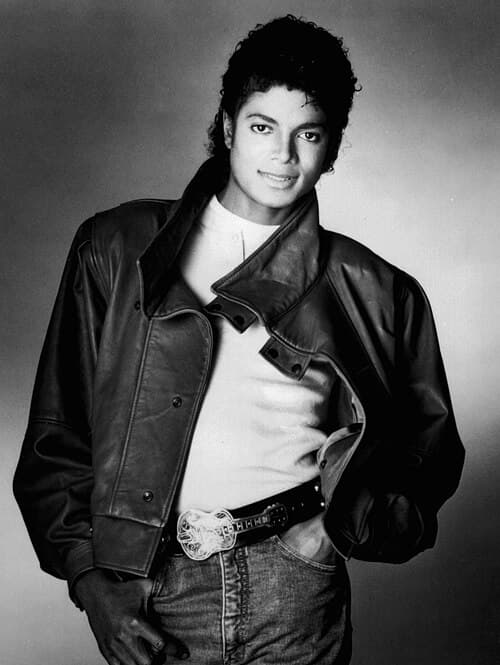
Michael Jackson
PERSON445 w/ George·2 w/ D.
Vicky Ward
PERSON433 w/ George·2 w/ D.
MW
Martin Weinberg
PERSON428 w/ George·2 w/ D.
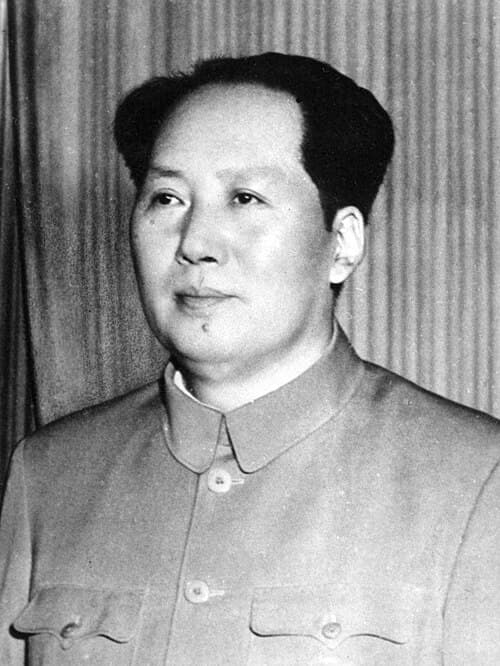
Mao Zedong
PERSON393 w/ George·2 w/ D.
CW
Courtney Wild
PERSON374 w/ George·2 w/ D.
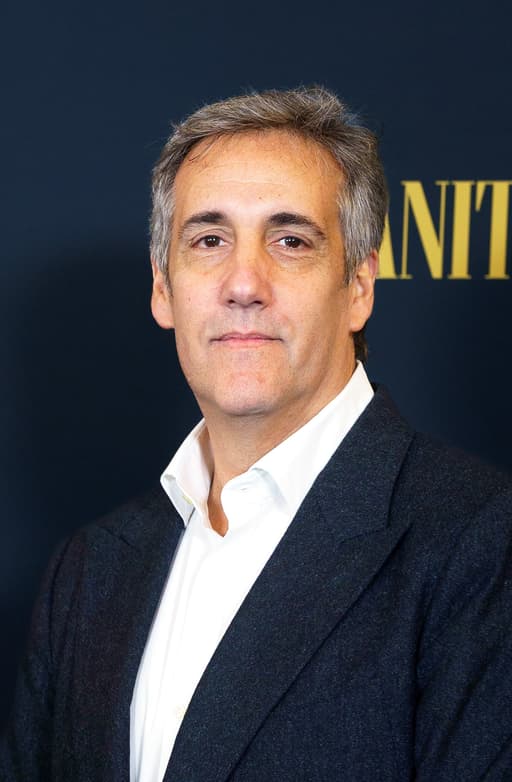
Michael Cohen
PERSON366 w/ George·3 w/ D.
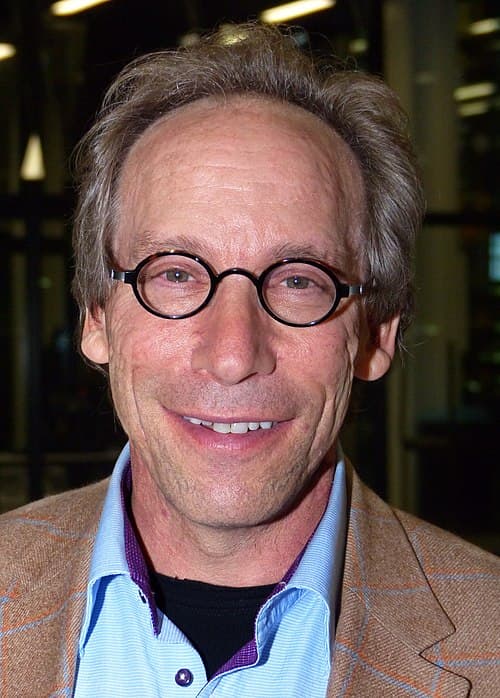
Lawrence Krauss
PERSON324 w/ George·2 w/ D.
Oliver Stone
PERSON320 w/ George·2 w/ D.
Abraham Lincoln
PERSON222 w/ George·2 w/ D.
Bernie Sanders
PERSON201 w/ George·2 w/ D.
Sarah Ferguson
PERSON189 w/ George·2 w/ D.