Back to Network











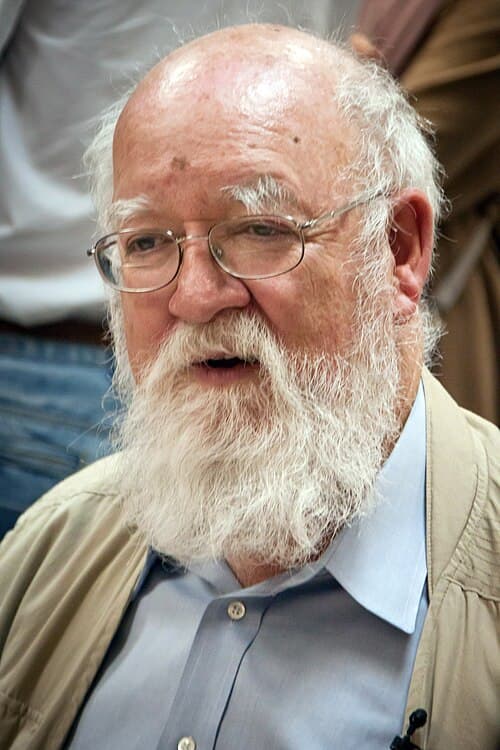
5
Shared Docs
5
Same-Page
6 / 5
Mentions
Document Mentions (5 shared documents)
3 mentions1 same-page
Page ?Same page
uces switching costs. Psychological Science, 14, 119-124. People v. Shirley, 181 Cal. Rptr. 243 (1982). Perfect, T. J., Wagstaff, G. F., Moore, D., Andrews, B., Cleveland, V., Newcombe, S., Brisbane, L-A., & Brown, L. (2008). How can we help witnesses to remember more? It's an (eyes) open and shut case
esses' limited mental resources by offering them the option to close their eyes when recalling (Bekerian & Dennett, 1997; Perfect, Wagstaff, Moore, Andrews, Cleveland, Newcombe, Brisbane, & Brown, 2008). Doing so, however, requires that the interviewer has developed good rapport with the witness. EFTA0
r, & Fraser, 2010). Equally important, accuracy was just as high in the CI interviews as in the comparison interviews (for reviews, see Bekerian and Dennett, 1993; Fisher and McCauley, 1995 and Fisher & Schreiber, 2007). The CI also typically does not contribute to the creation of false memories (Sharma
2 mentions1 same-page
Page ?Same page
uch as a proof of Fermat’s Last Theorem. In 1996, Andrew Wiles succeeded in finding a solution to this pro
put forward by Daniel Dennett that the Universe is an entirely determined place and any personal sense of free will and creativity is an illusion. In Dennett’s worldview, Andrew Wiles is a special purpose machine that was always destined to solve Fermat’s Last Theorem. I believe this model is flawed. It is
2 mentions1 same-page
Page ?Same page
Math 58 (1936): 345-63. ———. “Systems of Logic Based on Ordinals.” Proceedings of the London Mathematical Society 2, no. 1 (1939): 161-228. Wiles, Andrew. “Modular Elliptic Curves and Fermat’s Last Theorem.” Annals of Mathematics-Second Series 141, no. 3 (1995): 443-552. Chapter 12 Burgin, Mark. Supe
don Press, 2004. David, Hans T. The New Bach Reader: Life of Johann Sebastian Bach in Letters and Documents. New edition. W. W. Norton & Co., 1999. Dennett, Daniel C., and Douglas R. Hofstadter. The Mind’s I: Fantasies and Reflections on Self and Soul. Basic Books, 2000. Dewdney. New Turing Omnibus. Rep
Sponsored
2 mentions1 same-page
Page ?Same page
e joined by Venki Ramakrishnan, Jaan Tallinn, and Andrew Blake, research director of The Alan Turing Insti
our abilities which will enrich our lives. But I am reasonably certain that computers will never be the overlords of bacteria. 35 See, for example, Dennett’s From Bacteria to Bach and Back: The Evolution of Minds (New York: W. W. Norton, 2017). 133 HOUSE_OVERSIGHT_016936 Alex “Sandy” Pentland, an expo
2 mentions1 same-page
Page ?Same page
e joined by Venki Ramakrishnan, Jaan Tallinn, and Andrew Blake, research director of The Alan Turing Insti
our abilities which will enrich our lives. But I am reasonably certain that computers will never be the overlords of bacteria. 35 See, for example, Dennett’s From Bacteria to Bach and Back: The Evolution of Minds (New York: W. W. Norton, 2017). 133 HOUSE_OVERSIGHT_016353 Alex “Sandy” Pentland, an expo
Sponsored
Mutual Connections (507)
Entities connected to both Prince Andrew and Dennett
Jeffrey Epstein
PERSON9,960 w/ Prince·4 w/ Dennett
Ghislaine Maxwell
PERSON2,544 w/ Prince·3 w/ Dennett
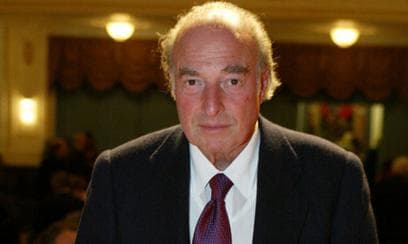
Marc Rich
PERSON1,327 w/ Prince·6 w/ Dennett
LB
Leon Black
PERSON1,263 w/ Prince·4 w/ Dennett
Donald Trump
PERSON1,068 w/ Prince·3 w/ Dennett
Bill Clinton
PERSON997 w/ Prince·2 w/ Dennett
Alan Dershowitz
PERSON982 w/ Prince·4 w/ Dennett
George W. Bush
PERSON817 w/ Prince·6 w/ Dennett
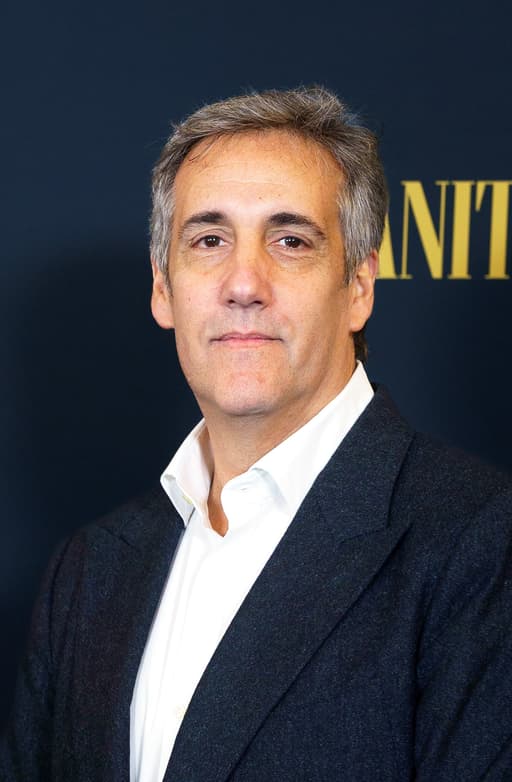
Michael Cohen
PERSON808 w/ Prince·2 w/ Dennett
Woody Allen
PERSON736 w/ Prince·2 w/ Dennett
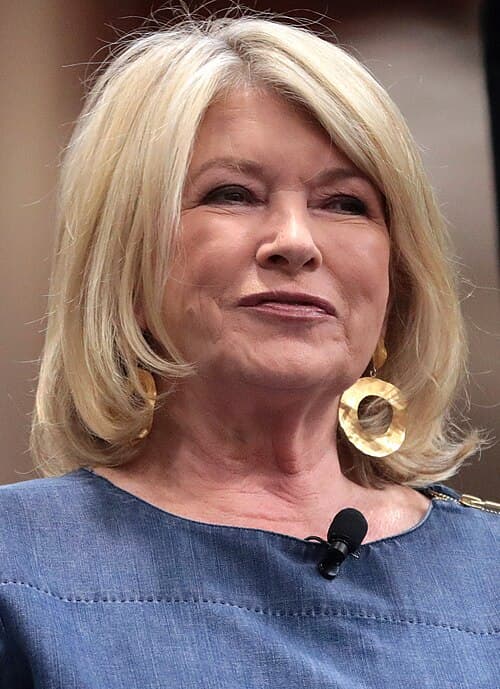
Martha Stewart
PERSON719 w/ Prince·2 w/ Dennett
Virginia Giuffre
PERSON687 w/ Prince·2 w/ Dennett
Prince Charles
PERSON679 w/ Prince·3 w/ Dennett
Joe Biden
PERSON655 w/ Prince·2 w/ Dennett
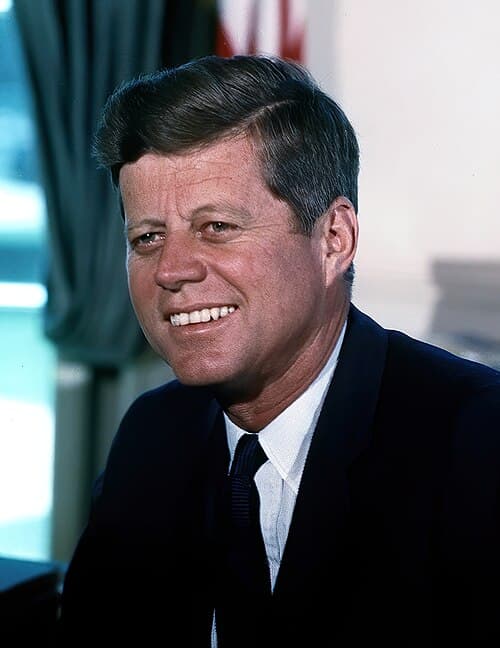
John F. Kennedy
PERSON641 w/ Prince·2 w/ Dennett
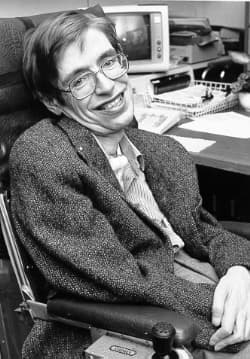
Stephen Hawking
PERSON627 w/ Prince·7 w/ Dennett
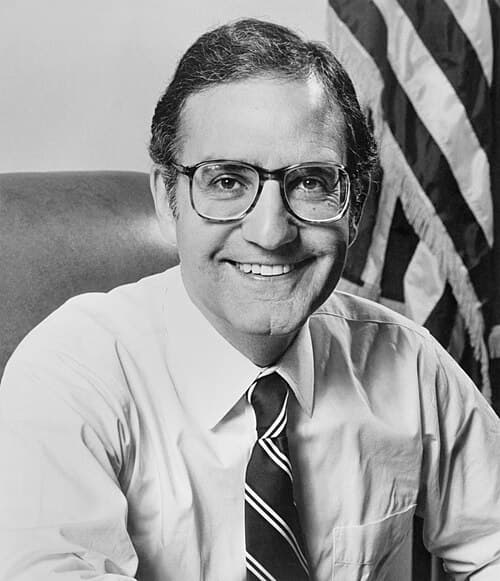
George Mitchell
PERSON583 w/ Prince·2 w/ Dennett
Julie K. Brown
PERSON573 w/ Prince·5 w/ Dennett
Eric Trump
PERSON456 w/ Prince·3 w/ Dennett
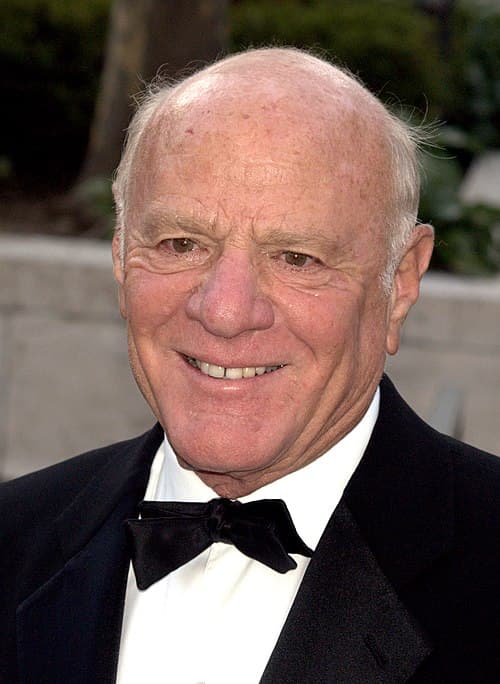
Barry Diller
PERSON443 w/ Prince·3 w/ Dennett