Back to Network









4
Shared Docs
4
Same-Page
5 / 4
Mentions
Document Mentions (4 shared documents)
3 mentions1 same-page
Page ?Same page
s, the word "case" is a term of art that has long been understood to mean "a suit instituted according to the regular course of judicial procedure." Muskrat v. United States , 219 U.S. 346, 356 (1911) (Article III "case" or controversy); see also Black's Law Dictionary (6th ed.) 215 ("case" is a "genera
stitution, laws or treaties of the United States takes such a form that the judicial power is capable of acting upon it, then it has become a case." Muskrat , 219 U.S. at 356. A "case," in other words, is an adversarial dispute where one party purposefully invokes the judicial power seeking an adjudicati
1(a). "The proposition that the law alone defines the limits of a court's power to enter a judgment can be traced to this Court's early precedents." Libretti v. United States , 116 S.Ct. 356, 371 (1995) (Stevens, J., dissenting). Just as a court's subject matter jurisdiction cannot be conferred by estoppel, Mickler v. Ni
2 mentions1 same-page
Page ?Same page
titution, laws or treaties of the United States takes such a form that the judicial power is capable of acting upon it, then it has become a case." Muskrat, 219 U.S. at 356. A "case," in other words, is an adversarial dispute where one party purposefully invokes the judicial power seeking an adjudicatio
(a). "The proposition that the law alone defines the limits of a court's power to enter a judgment can be traced to this Court's early precedents." Libretti v. United States, 116 S.Ct. 356, 371 (1995)(Stevens, J., dissenting). Just as a court's subject matter jurisdiction cannot be conferred by estoppel, Mickley. v. Nimi
2 mentions1 same-page
Page ?Same page
titution, laws or treaties of the United States takes such a form that the judicial power is capable of acting upon it, then it has become a case." Muskrat, 219 U.S. at 356. A "case," in other words, is an adversarial dispute where one party purposefully invokes the judicial power seeking an adjudicatio
(a). "The proposition that the law alone defines the limits of a court's power to enter a judgment can be traced to this Court's early precedents." Libretti v. United States, 116 S.Ct. 356, 371 (1995)(Stevens, J., dissenting). Just as a court's subject matter jurisdiction cannot be conferred by estoppel, Mickler v. Nimis
Sponsored
Mutual Connections (134)
Entities connected to both Muskrat and Libretti v. United States
Jeffrey Epstein
PERSON7 w/ Muskrat·4 w/ Libretti
Bradley Edwards
PERSON7 w/ Muskrat·4 w/ Libretti
United States
LOCATION7 w/ Muskrat·4 w/ Libretti
JD
Jane Doe
PERSON7 w/ Muskrat·4 w/ Libretti
Prince Andrew
PERSON6 w/ Muskrat·4 w/ Libretti
LB
Leon Black
PERSON6 w/ Muskrat·4 w/ Libretti
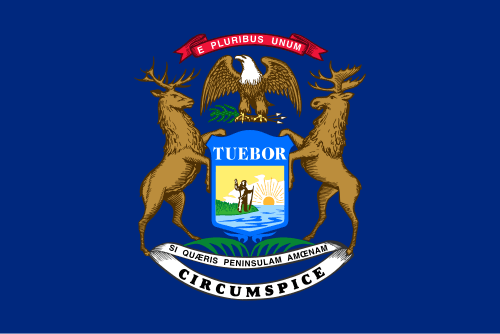
Michigan
LOCATION6 w/ Muskrat·4 w/ Libretti
Michael Jackson
PERSON6 w/ Muskrat·4 w/ Libretti
FBI
ORGANIZATION6 w/ Muskrat·4 w/ Libretti
Eric Trump
PERSON6 w/ Muskrat·4 w/ Libretti
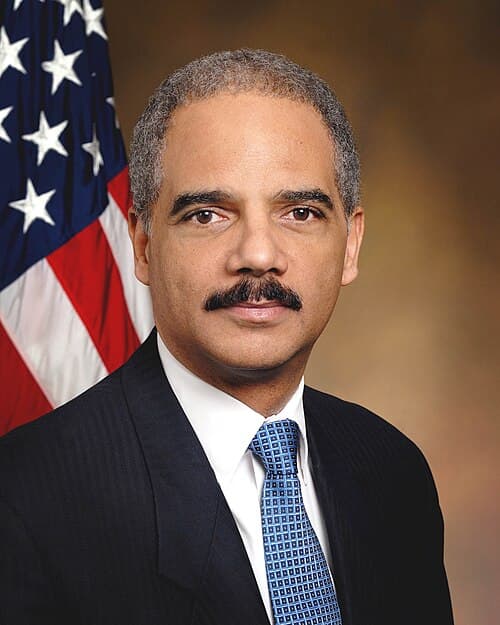
Eric Holder
PERSON6 w/ Muskrat·4 w/ Libretti
Paul Cassell
PERSON6 w/ Muskrat·4 w/ Libretti
PE
Petersen
PERSON6 w/ Muskrat·4 w/ Libretti
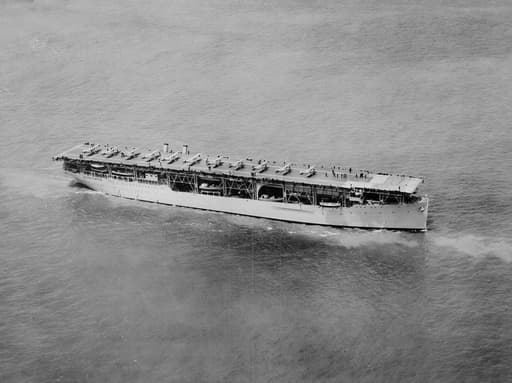
Langley
PERSON6 w/ Muskrat·4 w/ Libretti
Supreme Court
ORGANIZATION6 w/ Muskrat·4 w/ Libretti
Bailey
PERSON6 w/ Muskrat·4 w/ Libretti
Cynthia Nixon
PERSON6 w/ Muskrat·4 w/ Libretti
Detroit
LOCATION6 w/ Muskrat·4 w/ Libretti
Martha Stewart
PERSON6 w/ Muskrat·4 w/ Libretti
the Palm Beach County Sheriff's Office
ORGANIZATION6 w/ Muskrat·4 w/ Libretti