Back to Network








5
Shared Docs
5
Same-Page
5 / 6
Mentions
Document Mentions (5 shared documents)
3 mentions1 same-page
Page ?Same page
and may be controverted or explained by the party who made it. Martinez v. Bally's Louisiana, Inc. , 244 F.3d 474, 476-77 (5 di Cir. 2001), citing McNamara v. Miller, 269 F.2d 511, 515 (D.C. Cir. 1959). In contrast, a judicial admission is a formal concession in the pleadings or stipulations by a party or counsel
s, the word "case" is a term of art that has long been understood to mean "a suit instituted according to the regular course of judicial procedure." Muskrat v. United States , 219 U.S. 346, 356 (1911) (Article III "case" or controversy); see also Black's Law Dictionary (6th ed.) 215 ("case" is a "genera
stitution, laws or treaties of the United States takes such a form that the judicial power is capable of acting upon it, then it has become a case." Muskrat , 219 U.S. at 356. A "case," in other words, is an adversarial dispute where one party purposefully invokes the judicial power seeking an adjudicati
2 mentions1 same-page
Page ?Same page
e," and may be controverted or explained by the party who made it. Martinez v. Bally's Louisiana, Inc., 244 F.3d 474, 476-77 (5'h Cir. 2001), citing McNamara v. Miller, 269 F.2d 511, 515 (D.C. Cir. 1959). In contrast, a judicial admission is a formal concession in the pleadings or stipulations by a party or counse
titution, laws or treaties of the United States takes such a form that the judicial power is capable of acting upon it, then it has become a case." Muskrat, 219 U.S. at 356. A "case," in other words, is an adversarial dispute where one party purposefully invokes the judicial power seeking an adjudicatio
2 mentions1 same-page
Page ?Same page
e," and may be controverted or explained by the party who made it. Martinez v. Bally's Louisiana, Inc., 244 F.3d 474, 476-77 (5ih Cir. 2001), citing McNamara v. Miller, 269 F.2d 511, 515 (D.C. Cir. 1959). In contrast, a judicial admission is a formal concession in the pleadings or stipulations by a party or counse
titution, laws or treaties of the United States takes such a form that the judicial power is capable of acting upon it, then it has become a case." Muskrat, 219 U.S. at 356. A "case," in other words, is an adversarial dispute where one party purposefully invokes the judicial power seeking an adjudicatio
Sponsored
2 mentions1 same-page
Page ?Same page
se," and may be controverted or explained by the party who made it. Martinez v. Bally's Louisiana, Inc., 244 F.3d 474, 476-77 (V' Cir. 2001), citing McNamara v. Miller, 269 F.2d 511, 515 (D.C. Cir. 1959). In contrast, a judicial admission is a formal concession in the pleadings or stipulations by a party or counse
titution, laws or treaties of the United States takes such a form that the judicial power is capable of acting upon it, then it has become a case." Muskrat, 219 U.S. at 356. A "case," in other words, is an adversarial dispute where one party purposefully invokes the judicial power seeking an adjudicatio
2 mentions1 same-page
Page ?Same page
se," and may be controverted or explained by the party who made it. Martinez I Bally's Louisiana, Inc., 244 F.3d 474, 476-77 (51° Cir. 2001), citing McNamara v. Miller, 269 F.2d 511, 515 (D.C. Cir. 1959). In contrast, a judicial admission is a formal concession in the pleadings or stipulations by a party or counse
s, the word "case" is a term of an that has long been understood to mean "a suit instituted according to the regular course of judicial procedure." Muskrat' United States, 219 U.S. 346, 356 (1911) (Article III "case" or controversy); see also Black's Law Dictionary (6th ed.) 215 ("case" is a "general te
Sponsored
Mutual Connections (139)
Entities connected to both McNamara v. Miller and Muskrat
Jeffrey Epstein
PERSON5 w/ McNamara·7 w/ Muskrat
Bradley Edwards
PERSON5 w/ McNamara·7 w/ Muskrat
United States
LOCATION5 w/ McNamara·7 w/ Muskrat
JD
Jane Doe
PERSON5 w/ McNamara·7 w/ Muskrat
Prince Andrew
PERSON5 w/ McNamara·6 w/ Muskrat
LB
Leon Black
PERSON5 w/ McNamara·6 w/ Muskrat
Michigan
LOCATION5 w/ McNamara·6 w/ Muskrat
Michael Jackson
PERSON5 w/ McNamara·6 w/ Muskrat
FBI
ORGANIZATION5 w/ McNamara·6 w/ Muskrat
Eric Trump
PERSON5 w/ McNamara·6 w/ Muskrat
Eric Holder
PERSON5 w/ McNamara·6 w/ Muskrat
Paul Cassell
PERSON5 w/ McNamara·6 w/ Muskrat
PE
Petersen
PERSON5 w/ McNamara·6 w/ Muskrat
Langley
PERSON5 w/ McNamara·6 w/ Muskrat
Supreme Court
ORGANIZATION5 w/ McNamara·6 w/ Muskrat
Bailey
PERSON5 w/ McNamara·6 w/ Muskrat
Cynthia Nixon
PERSON5 w/ McNamara·6 w/ Muskrat
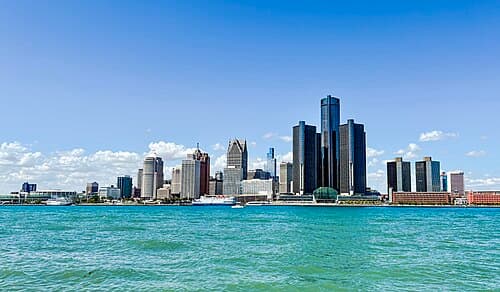
Detroit
LOCATION5 w/ McNamara·6 w/ Muskrat
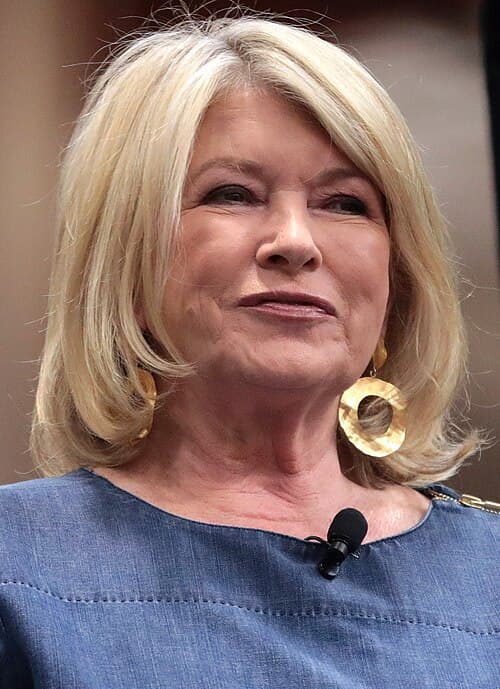
Martha Stewart
PERSON5 w/ McNamara·6 w/ Muskrat
the Palm Beach County Sheriff's Office
ORGANIZATION5 w/ McNamara·6 w/ Muskrat