Back to Network











4
Shared Docs
4
Same-Page
4 / 4
Mentions
Document Mentions (4 shared documents)
2 mentions1 same-page
Page ?Same page
e last time the Supreme Court declined to review a case involving the Second Amendment -- an assault weapons ban out of Illinois -- both Thomas and Scalia dissented together. Justice Stephen Breyer, as if attempting to respond to Thomas' concerns, suggested that there was no need to decide now a "majo
ings. He has also played and recorded with Ella Fitzgerald, Jaco Pastorius, Stephane Grappelli, Edith Piaf, J.J. Johnson, Michael Franks, Peggy Lee, John Williams, Quincy Jones, Oscar Peterson, Bill Evans, Paul Simon, Billy Joel, The Happenings, Astrud Gilberto, Shirley Horn, Elis Regina, Joe Pass, and others
2 mentions1 same-page
Page ?Same page
s were possessed; the Court held the legislative amendment was a mere clarification of the prior legislation and not an ex post facto law. Justice Scalia cited the statement of purpose of the Civil Rights Act of 1991, to hold that, for example, the amendments specifically designed to overrule Patterso
n private parties' planning. In this case, the event to which the new damages provision relates is the discriminatory conduct of respondents' agent John Williams; if applied here, that provision would attach an important new legal burden to that conduct. The new damages remedy in § 102, we conclude, is the k
2 mentions1 same-page
Page ?Same page
es were possessed; the Court held the legislative amendment was a mere clarification of the prior legislation and not an ex post facto law. Justice Scalia cited the statement of purpose of the Civil Rights Act of 1991, to hold that, for example, the amendments specifically designed to overrule Patterso
n private parties' planning. In this case, the event to which the new damages provision relates is the discriminatory conduct of respondents' agent John Williams; if applied here, that provision would attach an important new legal burden to that conduct. The new damages remedy in § 102, we conclude, is the k
Sponsored
2 mentions1 same-page
Page ?Same page
were possessed; the Court held the legislative amendment was a mere clarification of the prior legislation and not an ex post facto law. 9 Justice Scalia cited the statement of purpose of the Civil Rights Act of 1991, to hold that, for example, the amendments specifically designed to overrule Patterso
n private parties' planning. In this case, the event to which the new damages provision relates is the discriminatory conduct of respondents' agent John Williams; if applied here, that provision would attach an important new legal burden to that conduct. The new damages remedy in § 102, we conclude, is the k
Sponsored
Mutual Connections (60)
Entities connected to both Scalia and John Williams
Jeffrey Epstein
PERSON32 w/ Scalia·3 w/ John
United States
LOCATION30 w/ Scalia·2 w/ John
George W. Bush
PERSON28 w/ Scalia·2 w/ John
Supreme Court
ORGANIZATION21 w/ Scalia·3 w/ John
Julie K. Brown
PERSON19 w/ Scalia·2 w/ John
JD
Jane Doe
PERSON14 w/ Scalia·3 w/ John
Colorado
LOCATION13 w/ Scalia·2 w/ John
Alan Dershowitz
PERSON13 w/ Scalia·2 w/ John
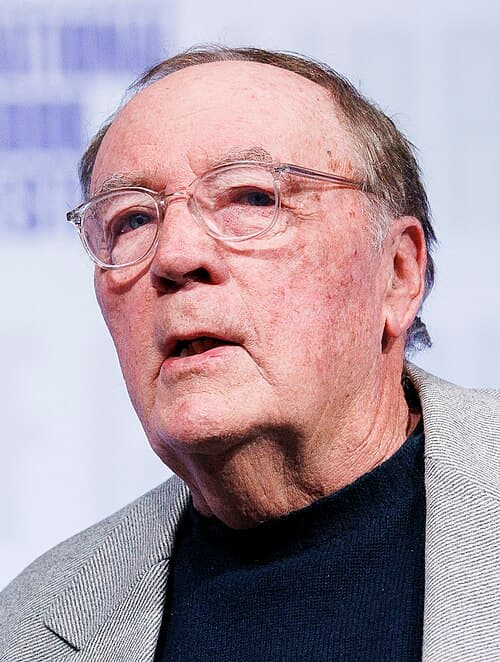
James Patterson
PERSON9 w/ Scalia·3 w/ John
Michael Jackson
PERSON9 w/ Scalia·2 w/ John
Martha Stewart
PERSON9 w/ Scalia·2 w/ John
Kenneth Marra
PERSON7 w/ Scalia·3 w/ John
TI
Tilton
PERSON8 w/ Scalia·2 w/ John
TW
Twombly
PERSON8 w/ Scalia·2 w/ John
Bailey
PERSON7 w/ Scalia·2 w/ John
RC
Robert D. Critton
PERSON6 w/ Scalia·2 w/ John
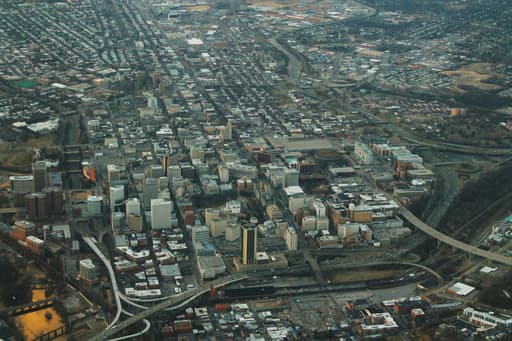
Richmond
LOCATION5 w/ Scalia·3 w/ John
Jacksonville
LOCATION5 w/ Scalia·2 w/ John
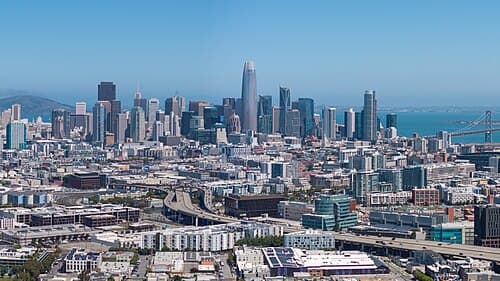
San Francisco
LOCATION4 w/ Scalia·3 w/ John
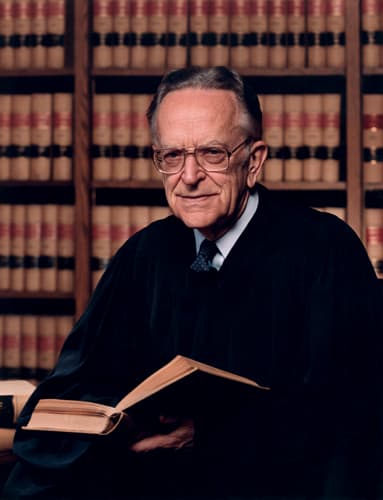
Blackmun
PERSON4 w/ Scalia·3 w/ John