Back to Network













5
Shared Docs
5
Same-Page
5 / 5
Mentions
Document Mentions (5 shared documents)
2 mentions1 same-page
Page ?Same page
ween humans and the machinery in response speed when the signal was given that "buzzing in" was permitted. Watson was able to use the many previous Jeopardy! games it was tested with to be able to better predict where Daily Doubles were, and it was able to do better betting based on game theory. The so
y "Ws° • evaluations with Monte-Carlo rollouts. Our uitar-sha browsing g p loud, soft, complex, plain. Not a single track." ed coloring program AlphaGo integrates these components purpose-built software robots like those that play checkers, chess, backgammon, and Go. These are intended to show that
2 mentions1 same-page
Page ?Same page
ages, it uses thousands of times more energy than a human brain (a technological limitation that, as he also notes, may be temporary). Its victory in Jeopardy! was a genuine triumph, made possible by the formulaic restrictions of the Jeopardy! rules, but in order for it to compete, even these rules had to b
o communicate with other humans, learn from them, instruct them, and motivate them in our own native language. If our robots will all be as opaque as AlphaGo, we won’t be able to hold a meaningful conversation with them, and that would be unfortunate. We will need to retrain them whenever we make a slight
2 mentions1 same-page
Page ?Same page
its of beam-fabrication methods at around 10-nanometer feature size. Power (energy consumption) issues are also apparent: The great Watson, winner of Jeopardy!, used 85,000 watts real time, while the human brains were using 20 watts each. To be fair, the human body needs 100 watts to operate and twenty year
rs relied a great deal on intuition and a feel for position, so proficiency was thought to require a particularly human kind of intelligence. But the AlphaGo program produced by DeepMind, after being trained on thousands of high-level Go games played by humans and then millions of games with itself, was ab
Sponsored
2 mentions1 same-page
Page ?Same page
ages, it uses thousands of times more energy than a human brain (a technological limitation that, as he also notes, may be temporary). Its victory in Jeopardy! was a genuine triumph, made possible by the formulaic restrictions of the Jeopardy! rules, but in order for it to compete, even these rules had to b
o communicate with other humans, learn from them, instruct them, and motivate them in our own native language. If our robots will all be as opaque as AlphaGo, we won’t be able to hold a meaningful conversation with them, and that would be unfortunate. We will need to retrain them whenever we make a slight
2 mentions1 same-page
Page ?Same page
its of beam-fabrication methods at around 10-nanometer feature size. Power (energy consumption) issues are also apparent: The great Watson, winner of Jeopardy!, used 85,000 watts real time, while the human brains were using 20 watts each. To be fair, the human body needs 100 watts to operate and twenty year
rs relied a great deal on intuition and a feel for position, so proficiency was thought to require a particularly human kind of intelligence. But the AlphaGo program produced by DeepMind, after being trained on thousands of high-level Go games played by humans and then millions of games with itself, was ab
Sponsored
Mutual Connections (690)
Entities connected to both Jeopardy and AlphaGo
Jeffrey Epstein
PERSON35 w/ Jeopardy·5 w/ AlphaGo
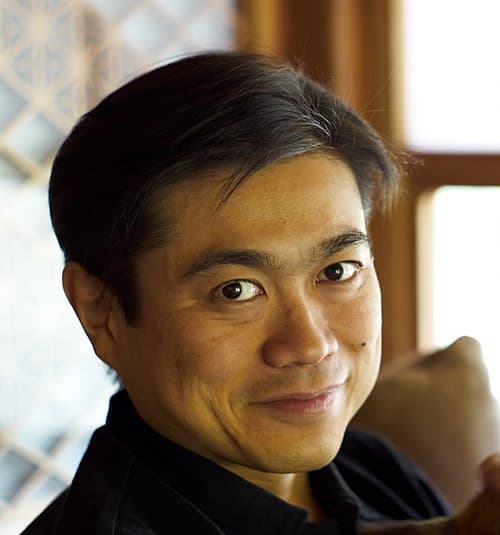
Joi Ito
PERSON26 w/ Jeopardy·3 w/ AlphaGo
Silicon Valley
LOCATION21 w/ Jeopardy·2 w/ AlphaGo
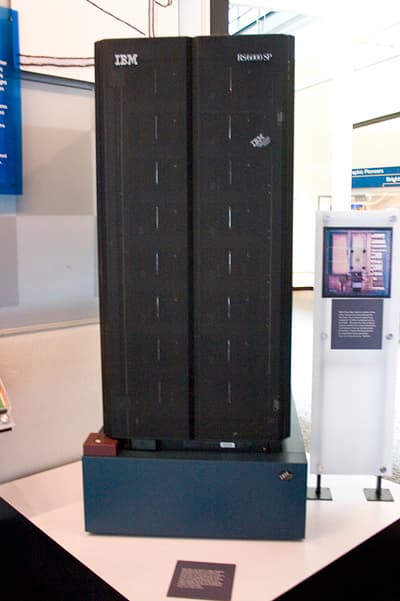
Deep Blue
PERSON10 w/ Jeopardy·8 w/ AlphaGo
Marc Rich
PERSON12 w/ Jeopardy·4 w/ AlphaGo
Stephen Hawking
PERSON9 w/ Jeopardy·6 w/ AlphaGo
George W. Bush
PERSON10 w/ Jeopardy·4 w/ AlphaGo
Ghislaine Maxwell
PERSON9 w/ Jeopardy·4 w/ AlphaGo
Barack Obama
PERSON9 w/ Jeopardy·4 w/ AlphaGo
Prince Andrew
PERSON8 w/ Jeopardy·4 w/ AlphaGo
Samantha Power
PERSON7 w/ Jeopardy·5 w/ AlphaGo
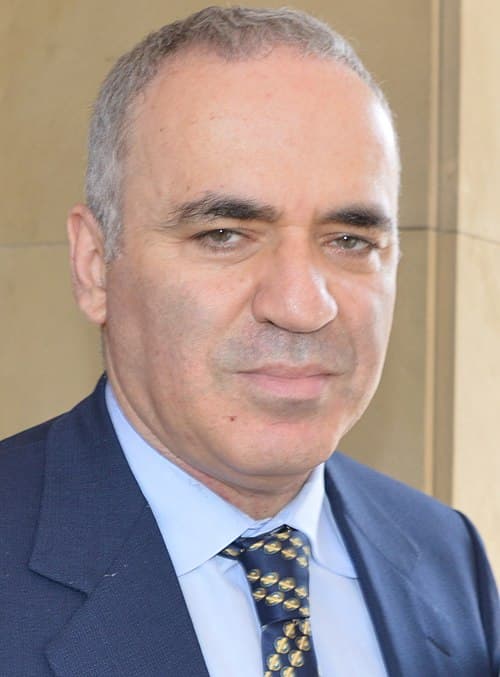
Garry Kasparov
PERSON6 w/ Jeopardy·6 w/ AlphaGo
Robert Gates
PERSON6 w/ Jeopardy·5 w/ AlphaGo
Alan Dershowitz
PERSON6 w/ Jeopardy·5 w/ AlphaGo
DB
Doug Band
PERSON7 w/ Jeopardy·4 w/ AlphaGo
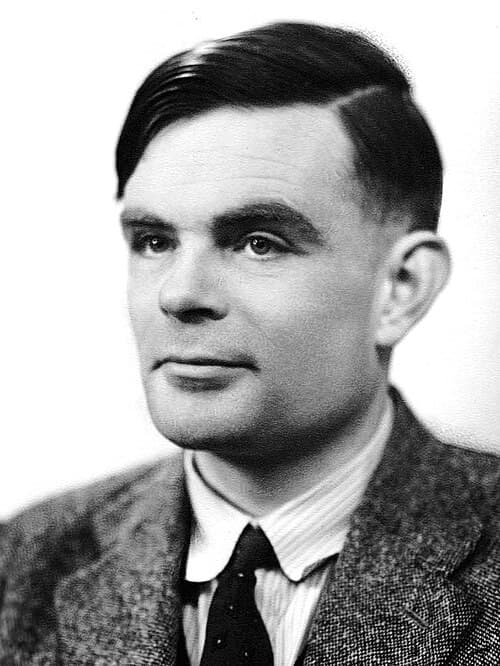
Turing
PERSON6 w/ Jeopardy·5 w/ AlphaGo
Julie K. Brown
PERSON7 w/ Jeopardy·4 w/ AlphaGo
Eric Trump
PERSON7 w/ Jeopardy·4 w/ AlphaGo
Joe Biden
PERSON8 w/ Jeopardy·2 w/ AlphaGo
the Royal Society
ORGANIZATION5 w/ Jeopardy·5 w/ AlphaGo