Back to Network


4
Shared Docs
4
Same-Page
4 / 4
Mentions
Document Mentions (4 shared documents)
2 mentions1 same-page
Page ?Same page
nterlocutory appeal from an order compelling the testimony of their former attorney over a claim of attorney-client privilege. The Court agreed with the Ninth Circuit's decision in Krane, concluding that the circumstances in Krane "support application of the Perlman doctrine because, without the ability to raise th
ich this case does not. Second, Mohawk was concerned with an interlocutory appeal under the collateral order doctrine of Cohen v. Beneficial Indus. Loan Corp., 337 U.S. 541 (1949), not with the Perlman exception to the final judgment rule; indeed, it did not so much as mention Perlman. Those two distinctio
2 mentions1 same-page
Page ?Same page
from an order compelling the testimony of their former attorney over a claim of attorney-client privilege. The 10 EFTA00583769 Court agreed with the Ninth Circuit's decision in Krane, concluding that the circumstances in Krane "support application of the Perlman doctrine because, without the ability to raise th
ich this case does not. Second, Mohawk was concerned with an interlocutory appeal under the collateral order doctrine of Cohen v. Beneficial Indus. Loan Corp., 337 U.S. 541 (1949), not with the Perlman exception to the final judgment rule; indeed, it did not so much as mention Perlman. Those two distincti
2 mentions1 same-page
Page ?Same page
nterlocutory appeal from an order compelling the testimony of their former attorney over a claim of attorney-client privilege. The Court agreed with the Ninth Circuit's decision in Krane, concluding that the circumstances in Krane "support application of the Perlman doctrine because, without the ability to raise th
ich this case does not. Second, Mohawk was concerned with an interlocutory appeal under the collateral order doctrine of Cohen v. Beneficial Indus. Loan Corp., 337 U.S. 541 (1949), not with the Perlman exception to the final judgment rule; indeed, it did not so much as mention Perlman. Those two distinctio
Sponsored
2 mentions1 same-page
Page ?Same page
terlocutory appeal from an order compelling the testimony of their former attorney over a claim of attorney-client privilege. The Court agreed with the Ninth Circuit's decision in Krane, concluding that the circumstances in Krane "support application of the Perlman doctrine because, without the ability to raise th
ich this case does not. Second, Mohawk was concerned with an interlocutory appeal under the collateral order doctrine of Cohen v. Beneficial Indus. Loan Corp., 337 U.S. 541 (1949), not with the Perlman exception to the final judgment rule; indeed, it did not so much as mention Perlman. Those two distincti
Sponsored
Mutual Connections (52)
Entities connected to both the Ninth Circuit's and Loan Corp.
Michael Cohen
PERSON6 w/ the·14 w/ Loan
Jeffrey Epstein
PERSON6 w/ the·13 w/ Loan
United States
LOCATION5 w/ the·13 w/ Loan
DI
Dickson
PERSON4 w/ the·12 w/ Loan
LB
Leon Black
PERSON4 w/ the·12 w/ Loan
KR
Krane
PERSON4 w/ the·12 w/ Loan
JD
Jane Doe
PERSON4 w/ the·12 w/ Loan
O'
O'Brien
PERSON4 w/ the·11 w/ Loan
OV
Overby
PERSON4 w/ the·10 w/ Loan
Carpenter
PERSON4 w/ the·9 w/ Loan
PE
Perlman
PERSON4 w/ the·9 w/ Loan
RB
Roy Black
PERSON2 w/ the·10 w/ Loan
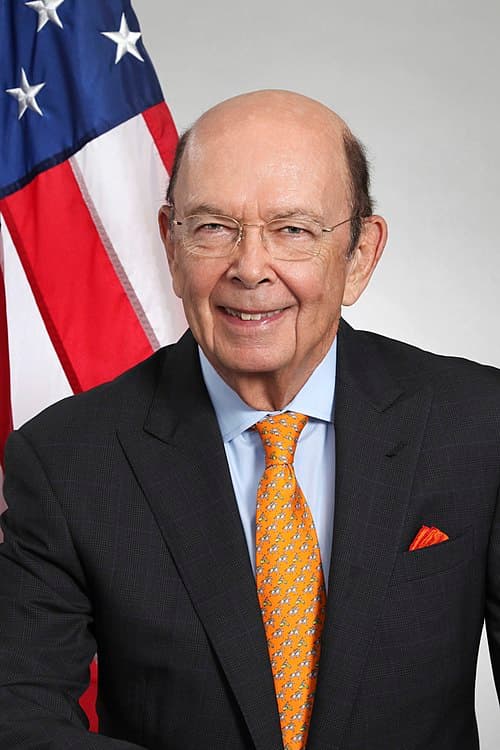
Wilbur Ross
PERSON5 w/ the·7 w/ Loan
Holt-Orsted
ORGANIZATION4 w/ the·8 w/ Loan
MW
Martin Weinberg
PERSON2 w/ the·10 w/ Loan
Mohawk Industries, Inc.
ORGANIZATION4 w/ the·7 w/ Loan
SC
Sealed Case
PERSON4 w/ the·7 w/ Loan
Kenneth Marra
PERSON4 w/ the·7 w/ Loan
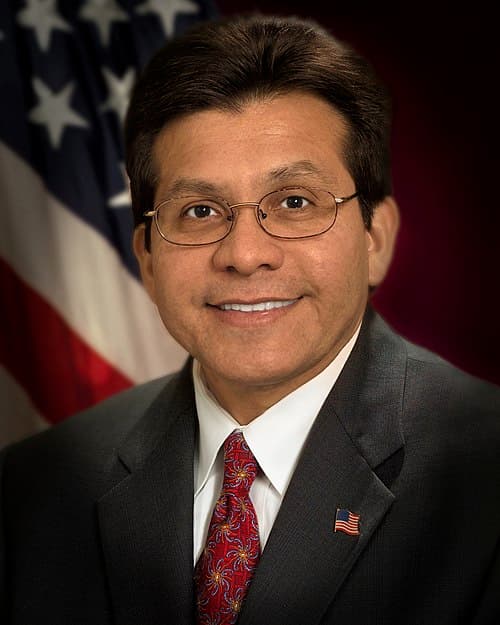
Alberto Gonzales
PERSON4 w/ the·7 w/ Loan
NM
Nadia Marcinkova
PERSON4 w/ the·7 w/ Loan