Back to Network









5
Shared Docs
5
Same-Page
5 / 5
Mentions
Document Mentions (5 shared documents)
2 mentions1 same-page
Page ?Same page
urden of establishing that his own Fourth Amendment rights were violated by the challenged search or seizure." Rakas, 439 U.S. at 130, n.1; see also Rawlings v. Kentucky, 448 U.S. 98, 104 (1980). Under the third party doctrine, the Fourth Amendment "does not prohibit the obtaining of information reveale
d second, it must "enable[)" a defendant "to plead an acquittal or conviction in bar of future prosecutions for the same offense." United States v. Resendiz-Ponce, 549 U.S. 102, 108 (2007) (internal quotation mark omitted) (quotingHamling, 418 U.S. at 117). "[A]n indictment parroting the language of a federal
2 mentions1 same-page
Page ?Same page
urden of establishing that his own Fourth Amendment rights were violated by the challenged search or seizure." Rakas, 439 U.S. at 130, n.1; see also Rawlings v. Kentucky, 448 U.S. 98, 104 (1980). Under the third party doctrine, the Fourth Amendment "does not prohibit the obtaining of information reveale
d second, it must "enable[]" a defendant "to plead an acquittal or conviction in bar of future prosecutions for the same offense." United States v. Resendiz-Ponce, 549 U.S. 102, 108 (2007) (internal quotation mark omitted) (quoting Handing, 418 U.S. at 117). "[A]n indictment parroting the language of a federa
Sponsored
2 mentions1 same-page
Page ?Same page
urden of establishing that his own Fourth Amendment rights were violated by the challenged search or seizure." Rakas, 439 U.S. at 130, n.1; see also Rawlings v. Kentucky, 448 U.S. 98, 104 (1980). Under the third party doctrine, the Fourth Amendment "does not prohibit the obtaining of information reveale
d second, it must "enable[]" a defendant "to plead an acquittal or conviction in bar of future prosecutions for the same offense." United States v. Resendiz-Ponce, 549 U.S. 102, 108 (2007) (internal quotation 150 EFTA00095242 mark omitted) (quoting Handing, 418 U.S. at 117). "[AJn indictment parroting the l
2 mentions1 same-page
Page ?Same page
urden of establishing that his own Fourth Amendment rights were violated by the challenged search or seizure." Rakas, 439 U.S. at 130, n.1; see also Rawlings v. Kentucky, 448 U.S. 98, 104 (1980). Under the third party doctrine, the Fourth Amendment "does not prohibit the obtaining of information reveale
d second, it must "enable[]" a defendant "to plead an acquittal or conviction in bar of future prosecutions for the same offense." United States v. Resendiz-Ponce, 549 U.S. 102, 108 (2007) (internal quotation mark omitted) (quoting Hamling, 418 U.S. at 117). "[A]n indictment parroting the language of a federa
Sponsored
Mutual Connections (261)
Entities connected to both Rawlings and Resendiz-Ponce
Jeffrey Epstein
PERSON9 w/ Rawlings·11 w/ Resendiz-Ponce
United States
LOCATION7 w/ Rawlings·11 w/ Resendiz-Ponce
Scarlett Johansson
PERSON6 w/ Rawlings·11 w/ Resendiz-Ponce
Ghislaine Maxwell
PERSON6 w/ Rawlings·10 w/ Resendiz-Ponce
Estrada
ORGANIZATION5 w/ Rawlings·11 w/ Resendiz-Ponce
Anderson
PERSON6 w/ Rawlings·10 w/ Resendiz-Ponce
AL
Alfonso
PERSON5 w/ Rawlings·11 w/ Resendiz-Ponce
Julie K. Brown
PERSON6 w/ Rawlings·10 w/ Resendiz-Ponce
TH
Thompson
PERSON6 w/ Rawlings·10 w/ Resendiz-Ponce
Mason
ORGANIZATION6 w/ Rawlings·10 w/ Resendiz-Ponce
Michael Jackson
PERSON6 w/ Rawlings·10 w/ Resendiz-Ponce
Supreme Court
ORGANIZATION5 w/ Rawlings·11 w/ Resendiz-Ponce
PI
Pipola
PERSON5 w/ Rawlings·10 w/ Resendiz-Ponce
Bradley Edwards
PERSON5 w/ Rawlings·10 w/ Resendiz-Ponce
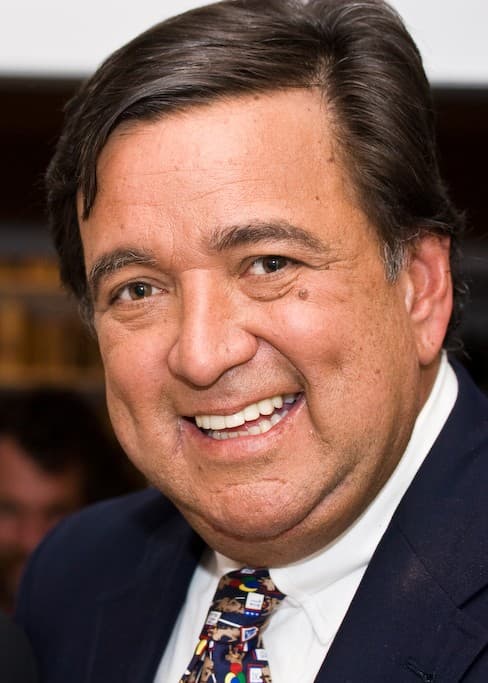
Bill Richardson
PERSON5 w/ Rawlings·10 w/ Resendiz-Ponce
Hastings
PERSON5 w/ Rawlings·10 w/ Resendiz-Ponce
Figueroa
PERSON5 w/ Rawlings·10 w/ Resendiz-Ponce
Jennings
PERSON5 w/ Rawlings·10 w/ Resendiz-Ponce
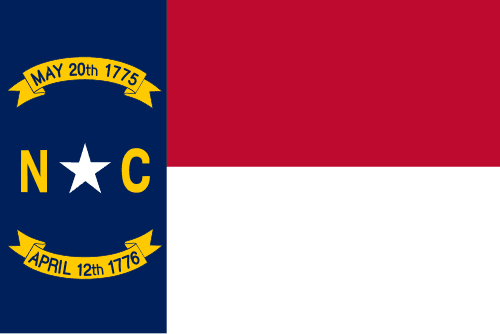
North Carolina
LOCATION5 w/ Rawlings·10 w/ Resendiz-Ponce
MY
Myers
PERSON5 w/ Rawlings·10 w/ Resendiz-Ponce