Back to Network








5
Shared Docs
5
Same-Page
5 / 5
Mentions
Document Mentions (5 shared documents)
2 mentions1 same-page
Page ?Same page
urden of establishing that his own Fourth Amendment rights were violated by the challenged search or seizure." Rakas, 439 U.S. at 130, n.1; see also Rawlings v. Kentucky, 448 U.S. 98, 104 (1980). Under the third party doctrine, the Fourth Amendment "does not prohibit the obtaining of information reveale
Government could, on pain of criminal sanctions, compel an answer to its incriminating questions, a citizen is not at liberty to answer falsely."); Bryson v. United States, 396 U.S. 64, 72, 90 (1969) (rejecting challenge to false statement prosecution; "[l]t cannot be thought that as a general principle of our law a ci
2 mentions1 same-page
Page ?Same page
urden of establishing that his own Fourth Amendment rights were violated by the challenged search or seizure." Rakas, 439 U.S. at 130, n.1; see also Rawlings v. Kentucky, 448 U.S. 98, 104 (1980). Under the third party doctrine, the Fourth Amendment "does not prohibit the obtaining of information reveale
Government could, on pain of criminal sanctions, compel an answer to its incriminating questions, a citizen is not at liberty to answer falsely."); Bryson v. United States, 396 U.S. 64, 72, 90 (1969) (rejecting challenge to false statement prosecution; "[I]t cannot be thought that as a general principle of our law a ci
Sponsored
2 mentions1 same-page
Page ?Same page
urden of establishing that his own Fourth Amendment rights were violated by the challenged search or seizure." Rakas, 439 U.S. at 130, n.1; see also Rawlings v. Kentucky, 448 U.S. 98, 104 (1980). Under the third party doctrine, the Fourth Amendment "does not prohibit the obtaining of information reveale
Government could, on pain of criminal sanctions, compel an answer to its incriminating questions, a citizen is not at liberty to answer falsely."); Bryson v. United States, 396 U.S. 64, 72, 90 (1969) (rejecting challenge to false statement prosecution; "[I]t cannot be thought that as a general principle of our law a ci
Sponsored
Mutual Connections (261)
Entities connected to both Rawlings and Bryson v. United States
Jeffrey Epstein
PERSON9 w/ Rawlings·10 w/ Bryson
United States
LOCATION7 w/ Rawlings·10 w/ Bryson
Mason
ORGANIZATION6 w/ Rawlings·10 w/ Bryson
Ghislaine Maxwell
PERSON6 w/ Rawlings·10 w/ Bryson
TH
Thompson
PERSON6 w/ Rawlings·10 w/ Bryson
Anderson
PERSON6 w/ Rawlings·10 w/ Bryson
Julie K. Brown
PERSON6 w/ Rawlings·10 w/ Bryson
Scarlett Johansson
PERSON6 w/ Rawlings·10 w/ Bryson
Michael Jackson
PERSON6 w/ Rawlings·10 w/ Bryson
PI
Pipola
PERSON5 w/ Rawlings·10 w/ Bryson
Bradley Edwards
PERSON5 w/ Rawlings·10 w/ Bryson
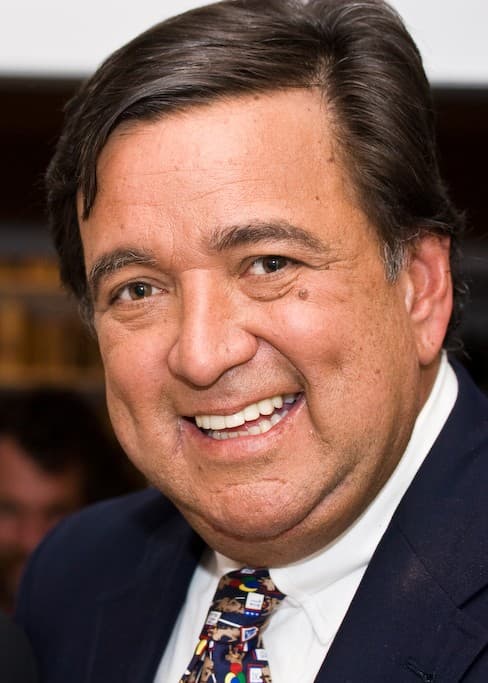
Bill Richardson
PERSON5 w/ Rawlings·10 w/ Bryson
Supreme Court
ORGANIZATION5 w/ Rawlings·10 w/ Bryson
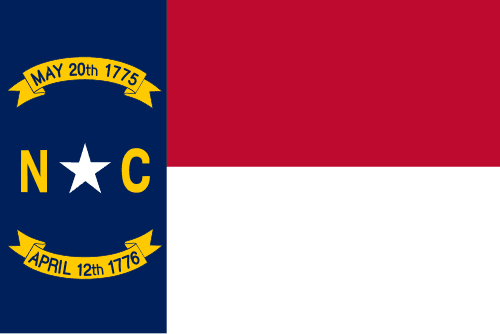
North Carolina
LOCATION5 w/ Rawlings·10 w/ Bryson
MY
Myers
PERSON5 w/ Rawlings·10 w/ Bryson
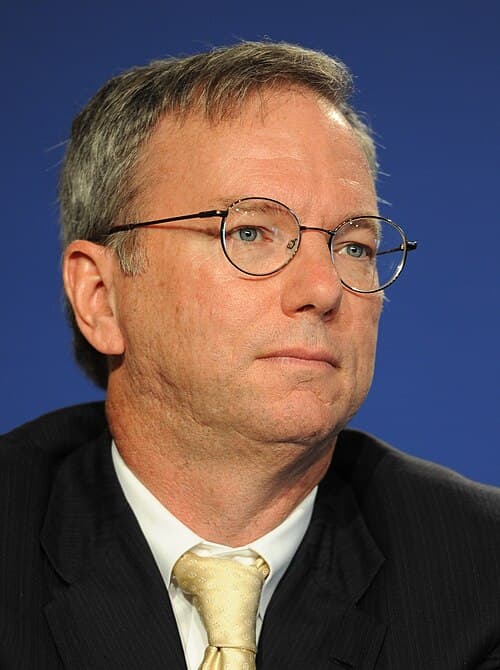
Eric Schmidt
PERSON5 w/ Rawlings·10 w/ Bryson
Butler
PERSON5 w/ Rawlings·10 w/ Bryson
WA
Walsh
PERSON5 w/ Rawlings·10 w/ Bryson
Jenkins
PERSON5 w/ Rawlings·10 w/ Bryson
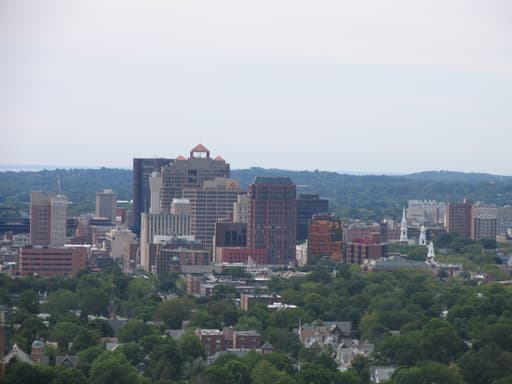
New Haven
LOCATION5 w/ Rawlings·10 w/ Bryson