Back to Network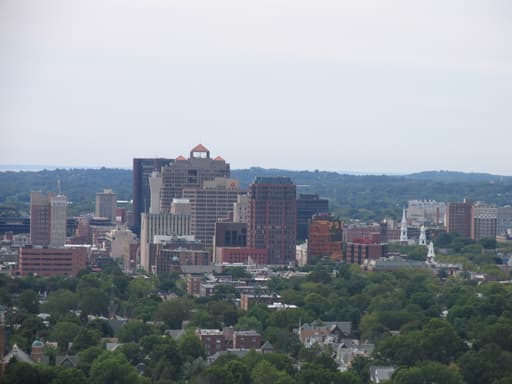




9
Shared Docs
9
Same-Page
9 / 9
Mentions
Document Mentions (9 shared documents)
2 mentions1 same-page
Page ?Same page
07 Cr. 1198 (CM), 2009 WL 176721 (S.D.N.Y. Jan. 23, 2009) 269 United States v. Santiago, 987 F. Supp. 2d 465 (S.D.N.Y. 2013) 75 United States v. Sarwari, 669 F.3d 401 (4th Cir. 2012) 179, 180 United States v. Saftar, 272 F. Supp. 2d 348 (S.D.N.Y. 2003) 27 United States v. Savage, 970 F.3d 217
nzburg v. Hayes, 408 U.S. 665 (1972) 110 Bridges v. United States, 346 U.S. 209 (1953) 53 Bronston v. United States, 409 U.S. 352 (1973) 181 Bryson v. United States, 396 U.S. 64 (1969) 147 Burgess v. United States, 552 U.S. 124 (2008) 51 Caplin & Drysdale, Chartered v. United States, 491 U.S. 617 (1989) 1
2 mentions1 same-page
Page ?Same page
w being questioned in his role as trustee." 782 F.2d at 376. "[F]undamental ambiguity," however, "is the exception, not the rule." United States v. Sarwari, 669 F.3d 401, 407 (4th Cir. 2012) (quoting United States v. Farmer, 137 F.3d 1265, 1269 (10th Cir. 1998)). A defendant cannot demonstrate fundament
Government could, on pain of criminal sanctions, compel an answer to its incriminating questions, a citizen is not at liberty to answer falsely."); Bryson v. United States, 396 U.S. 64, 72, 90 (1969) (rejecting challenge to false statement prosecution; "[l]t cannot be thought that as a general principle of our law a ci
2 mentions1 same-page
Page ?Same page
07 Cr. 1198 (CM), 2009 WL 176721 (S.D.N.Y. Jan. 23, 2009) 269 United States v. Santiago, 987 F. Supp. 2d 465 (S.D.N.Y. 2013) 75 United States v. Sarwari, 669 F.3d 401 (4th Cir. 2012) 179, 180 United States v. Sattar, 272 F. Supp. 2d 348 (S.D.N.Y. 2003) 27 United States v. Savage, 970 F.3d 217 (
nzburg v. Hayes, 408 U.S. 665 (1972) 110 Bridges v. United States, 346 U.S. 209 (1953) 53 Bronston v. United States, 409 U.S. 352 (1973) 181 Bryson v. United States, 396 U.S. 64 (1969) 147 Burgess v. United States, 552 U.S. 124 (2008) 51 Caplin & Drysdale, Chartered v. United States, 491 U.S. 617 (1989) 1
Sponsored
2 mentions1 same-page
Page ?Same page
w being questioned in his role as trustee." 782 F.2d at 376. "[F]undamental ambiguity," however, "is the exception, not the rule." United States v. Sarwari, 669 F.3d 401, 407 (4th Cir. 2012) (quoting United States v. Fanner, 137 F.3d 1265, 1269 (10th Cir. 1998)). A defendant cannot demonstrate fundament
Government could, on pain of criminal sanctions, compel an answer to its incriminating questions, a citizen is not at liberty to answer falsely."); Bryson v. United States, 396 U.S. 64, 72, 90 (1969) (rejecting challenge to false statement prosecution; "[I]t cannot be thought that as a general principle of our law a ci
2 mentions1 same-page
Page ?Same page
07 Cr. 1198 (CM), 2009 WL 176721 (S.D.N.Y. Jan. 23, 2009) 269 United States v. Santiago, 987 F. Supp. 2d 465 (S.D.N.Y. 2013) 75 United States v. Sarwari, 669 F.3d 401 (4th Cir. 2012) 179, 180 United States v. Sattar, 272 F. Supp. 2d 348 (S.D.N.Y. 2003) 27 United States v. Savage, 970 F.3d 217 (
nzburg v. Hayes, 408 U.S. 665 (1972) 110 Bridges v. United States, 346 U.S. 209 (1953) 53 Bronston v. United States, 409 U.S. 352 (1973) 181 Bryson v. United States, 396 U.S. 64 (1969) 147 Burgess v. United States, 552 U.S. 124 (2008) 51 Caplin & Drysdale, Chartered v. United States, 491 U.S. 617 (1989) 1
2 mentions1 same-page
Page ?Same page
w being questioned in his role as trustee." 782 F.2d at 376. "[F]undamental ambiguity," however, "is the exception, not the rule." United States v. Sarwari, 669 F.3d 401, 407 (4th Cir. 2012) (quoting United States v. Fanner, 137 F.3d 1265, 1269 (10th Cir. 1998)). A defendant cannot demonstrate fundament
Government could, on pain of criminal sanctions, compel an answer to its incriminating questions, a citizen is not at liberty to answer falsely."); Bryson v. United States, 396 U.S. 64, 72, 90 (1969) (rejecting challenge to false statement prosecution; "[I]t cannot be thought that as a general principle of our law a ci
Sponsored
2 mentions1 same-page
Page ?Same page
07 Cr. 1198 (CM), 2009 WL 176721 (S.D.N.Y. Jan. 23, 2009) 177 United States v. Santiago, 987 F. Supp. 2d 465 (S.D.N.Y. 2013) 52 United States v. Sarwari, 669 F.3d 401 (4th Cir. 2012) 120, 121 United States v. Sattar, 272 F. Supp. 2d 348 (S.D.N.Y. 2003) 22 United States v. Savage, 970 F.3d 217 (
anzburg v. Hayes, 408 U.S. 665 (1972) 78 Bridges v. United States, 346 U.S. 209 (1953) 38 Bronston v. United States, 409 U.S. 352 (1973) 121 Bryson v. United States, 396 U.S. 64 (1969) 101 Burgess v. United States, 552 U.S. 124 (2008) 37 Caplin & Drysdale, Chartered v. United States, 491 U.S. 617 (1989) 1
2 mentions1 same-page
Page ?Same page
ow being questioned in his role as trustee." 782 F.2d at 376. "[F]undamental ambiguity," however, "is the exception, not the rule." United States v. Sarwari, 669 F.3d 401, 407 (4th Cir. 2012) (quoting United States v. Fanner, 137 F.3d 1265, 1269 (10th Cir. 1998)). A defendant cannot demonstrate fundamen
Government could, on pain of criminal sanctions, compel an answer to its incriminating questions, a citizen is not at liberty to answer falsely."); Bryson v. United States, 396 U.S. 64, 72, 90 (1969) (rejecting challenge to false statement prosecution; "[I]t cannot be thought that as a general principle of our law a ci
2 mentions1 same-page
Page ?Same page
07 Cr. 1198 (CM), 2009 WL 176721 (S.D.N.Y. Jan. 23, 2009) 269 United States v. Santiago, 987 F. Supp. 2d 465 (S.D.N.Y. 2013) 75 United States v. Sarwari, 669 F.3d 401 (4th Cir. 2012) 179, 180 United States v. Sattar, 272 F. Supp. 2d 348 (S.D.N.Y. 2003) 27 United States v. Savage, 970 F.3d 217
nzburg v. Hayes, 408 U.S. 665 (1972) 110 Bridges v. United States, 346 U.S. 209 (1953) 53 Bronston v. United States, 409 U.S. 352 (1973) 181 Bryson v. United States, 396 U.S. 64 (1969) 147 Burgess v. United States, 552 U.S. 124 (2008) 51 Caplin & Drysdale, Chartered v. United States, 491 U.S. 617 (1989) 1
Sponsored
Mutual Connections (489)
Entities connected to both Sarwari and Bryson v. United States
New Haven
LOCATION9 w/ Sarwari·10 w/ Bryson
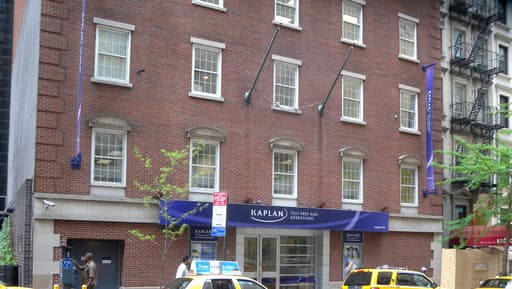
Kaplan
PERSON9 w/ Sarwari·10 w/ Bryson
AM
Amato
PERSON9 w/ Sarwari·10 w/ Bryson
Towne
LOCATION9 w/ Sarwari·10 w/ Bryson
Raymonda
LOCATION9 w/ Sarwari·10 w/ Bryson
Loera
LOCATION9 w/ Sarwari·10 w/ Bryson
Sacramento
LOCATION9 w/ Sarwari·10 w/ Bryson
Ashburn
LOCATION9 w/ Sarwari·10 w/ Bryson
Bill Richardson
PERSON9 w/ Sarwari·10 w/ Bryson
Rivera
PERSON9 w/ Sarwari·10 w/ Bryson
Mason
ORGANIZATION9 w/ Sarwari·10 w/ Bryson
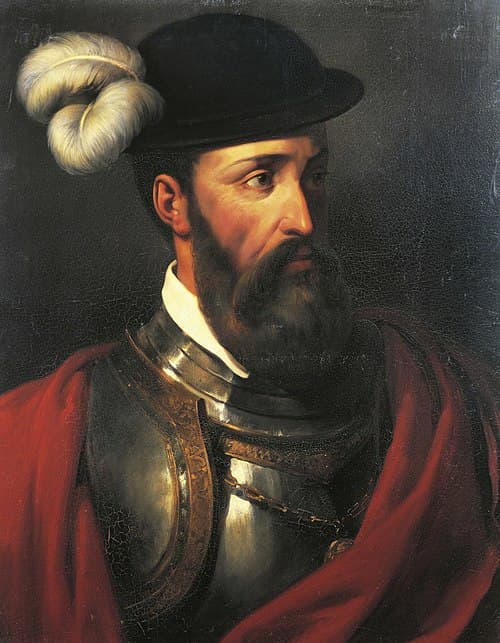
Pizarro
PERSON9 w/ Sarwari·10 w/ Bryson
RO
Rochin
PERSON9 w/ Sarwari·10 w/ Bryson
RA
R. App
PERSON9 w/ Sarwari·10 w/ Bryson
WE
Werner
PERSON9 w/ Sarwari·10 w/ Bryson
CH
Chalmers
PERSON9 w/ Sarwari·10 w/ Bryson
Julie K. Brown
PERSON9 w/ Sarwari·10 w/ Bryson
Corbett
PERSON9 w/ Sarwari·10 w/ Bryson
Adriana Ross
PERSON9 w/ Sarwari·10 w/ Bryson
Alberti
PERSON9 w/ Sarwari·10 w/ Bryson