Back to Network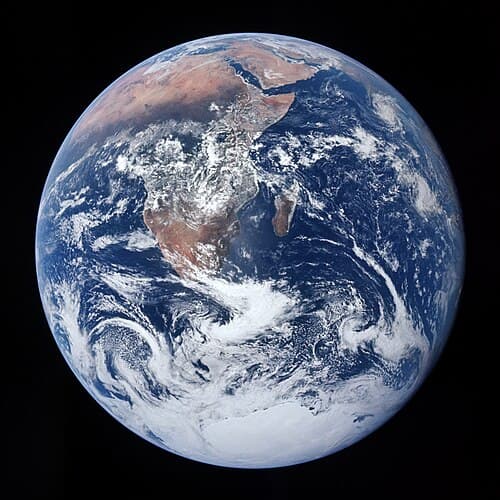
6
Shared Docs
6
Same-Page
6 / 6
Mentions
Document Mentions (6 shared documents)
2 mentions1 same-page
Page ?Same page
rates an individual consciousness from the ultimate consciousness which goes by many names. Classical Samkhya as discussed above is Dvaitist. As is Classical Yoga and the Bhakti movements. Advaita Vedanta also has a form of Samkhya similar to the Classical version discussed here. In this version Purusa and Pr
8 AM, Deepak Chopra < > wrote: The inner self which is pure consciousness has no form . Having no form it is beyond birth and death ( non local ) Upanishads ( Gita )" Water cannot wet it , fire cannot burn it , weapons cannot shatter it . It is ancient unborn and deathless " That which has form is in ti
2 mentions1 same-page
Page ?Same page
rates an individual consciousness from the ultimate consciousness which goes by many names. Classical Samkhya as discussed above is Dvaitist. As is Classical Yoga and the Bhakti movements. Advaita Vedanta also has a form of Samkhya similar to the Classical version discussed here. In this version Purusa and Pr
8 AM, Deepak Chopra < > wrote: The inner self which is pure consciousness has no form . Having no form it is beyond birth and death ( non local ) Upanishads ( Gita )" Water cannot wet it , fire cannot burn it , weapons cannot shatter it . It is ancient unborn and deathless " That which has form is in ti
2 mentions1 same-page
Page ?Same page
rates an individual consciousness from the ultimate consciousness which goes by many names. Classical Samkhya as discussed above is Dvaitist. As is Classical Yoga and the Bhakti movements. Advaita Vedanta also has a form of Samkhya similar to the Classical version discussed here. In this version Purusa and Pr
8 AM, Deepak Chopra < > wrote: The inner self which is pure consciousness has no form . Having no form it is beyond birth and death ( non local ) Upanishads ( Gita )" Water cannot wet it , fire cannot burn it , weapons cannot shatter it . It is ancient unborn and deathless " That which has form is in ti
Sponsored
2 mentions1 same-page
Page ?Same page
rates an individual consciousness from the ultimate consciousness which goes by many names. Classical Samkhya as discussed above is Dvaitist. As is Classical Yoga and the Bhakti movements. Advaita Vedanta also has a form of Samkhya similar to the Classical version discussed here. In this version Purusa and Pr
8 AM, Deepak Chopra < > wrote: The inner self which is pure consciousness has no form . Having no form it is beyond birth and death ( non local ) Upanishads ( Gita )" Water cannot wet it , fire cannot burn it , weapons cannot shatter it . It is ancient unborn and deathless " That which has form is in ti
2 mentions1 same-page
Page ?Same page
rates an individual consciousness from the ultimate consciousness which goes by many names. Classical Samkhya as discussed above is Dvaitist. As is Classical Yoga and the Bhakti movements. Advaita Vedanta also has a form of Samkhya similar to the Classical version discussed here. In this version Purusa and Pr
[email protected]» wrote: The inner self which is pure consciousness has no form . Having no form it is beyond birth and death ( non local ) Upanishads ( Gita )" Water cannot wet it , fire cannot burn it , weapons cannot shatter it . It is ancient unborn and deathless " That which has form is in ti
2 mentions1 same-page
Page ?Same page
rates an individual consciousness from the ultimate consciousness which goes by many names. Classical Samkhya as discussed above is Dvaitist. As is Classical Yoga and the Bhakti movements. Advaita Vedanta also has a form of Samkhya similar to the Classical version discussed here. In this version Purusa and Pr
holomew wrote: Dear Deepak By "formless consciousness" are we to understand that you have rejected the explanation for consciousness given in the Upanishads which unambiguously attributes consciousness to the operations of the Inner Self. Kind regards Brad On 6 Aug 2016 20:20, "Deepak Chopra" < > wro
Sponsored
Mutual Connections (92)
Entities connected to both Classical Yoga and Upanishads
DA
Darsanas
PERSON6 w/ Classical·6 w/ Upanishads
SA
Samkhya
PERSON6 w/ Classical·6 w/ Upanishads
DV
Dvaitist
PERSON6 w/ Classical·6 w/ Upanishads
Earth
LOCATION6 w/ Classical·6 w/ Upanishads
Vedanta
ORGANIZATION6 w/ Classical·6 w/ Upanishads
Deepak
ORGANIZATION6 w/ Classical·6 w/ Upanishads
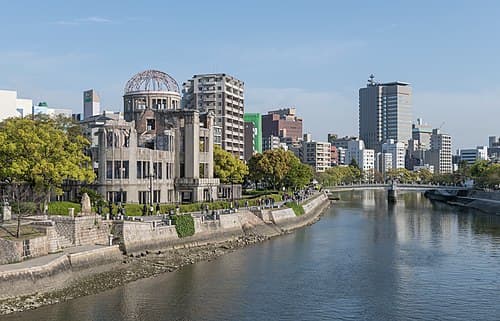
Hiroshima
LOCATION6 w/ Classical·6 w/ Upanishads
Puruasa
LOCATION6 w/ Classical·6 w/ Upanishads
Vedic
ORGANIZATION6 w/ Classical·6 w/ Upanishads
OM
Oliver Manuel
PERSON6 w/ Classical·6 w/ Upanishads
JE
Jerico
PERSON6 w/ Classical·6 w/ Upanishads
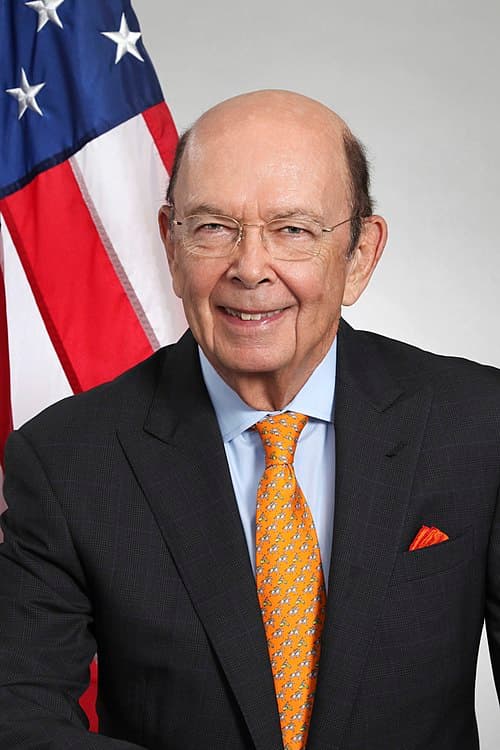
Wilbur Ross
PERSON6 w/ Classical·6 w/ Upanishads
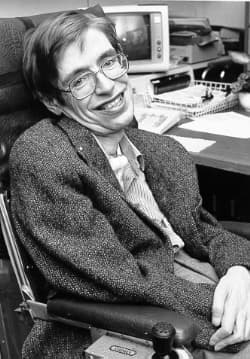
Stephen Hawking
PERSON6 w/ Classical·6 w/ Upanishads
Brahman
PERSON6 w/ Classical·6 w/ Upanishads
VA
Vasudeva
PERSON6 w/ Classical·6 w/ Upanishads
Advaita Vedanta
ORGANIZATION6 w/ Classical·6 w/ Upanishads
Buddhi
ORGANIZATION6 w/ Classical·6 w/ Upanishads
Manas
ORGANIZATION6 w/ Classical·6 w/ Upanishads
Purusa
ORGANIZATION6 w/ Classical·6 w/ Upanishads
TA
Tagore
PERSON6 w/ Classical·6 w/ Upanishads