Back to Network



6
Shared Docs
6
Same-Page
6 / 6
Mentions
Document Mentions (6 shared documents)
2 mentions1 same-page
Page ?Same page
nature—My form, qualities, activities and pastimes are all transcendental, but unwise persons cannot know the truth, and they think, "The formless Brahman took birth in Vasudeva's cell as an ordinary human being." Sri-bhagavan uvaca mayy aveSya mano ye m5rh nitya-yukta upasate traddhaya parayopetas
ce also deals in abstractions, which are based almost completely in this part of the mind called Ahamkara. These abstractions could be attributed to Buddhi, which in the chain of Samkhya, is sometimes called intellect or will. It is important here to note that will is not consciousness in the contemplat
2 mentions1 same-page
Page ?Same page
nature—My form, qualities, activities and pastimes are all transcendental, but unwise persons cannot know the truth, and they think, "The formless Brahman took birth in Vasudeva's cell as an ordinary human being." aa-bhagavan uvaca mayy aveaya mano ye math nitya-yukta upa sate .raddhaya parayopetas
ce also deals in abstractions, which are based almost completely in this part of the mind called Ahamkara. These abstractions could be attributed to Buddhi, which in the chain of Samkhya, is sometimes called intellect or will. It is important here to note that will is not consciousness in the contemplat
2 mentions1 same-page
Page ?Same page
nature—My form, qualities, activities and pastimes are all transcendental, but unwise persons cannot know the truth, and they think, "The formless Brahman took birth in Vasudeva's cell as an ordinary human being." Sa-bhagavan uvaca mayy avetya mano ye math nitya-yukta upa sate .raddhaya parayopetas
ce also deals in abstractions, which are based almost completely in this part of the mind called Ahamkara. These abstractions could be attributed to Buddhi, which in the chain of Samkhya, is sometimes called intellect or will. It is important here to note that will is not consciousness in the contemplat
Sponsored
2 mentions1 same-page
Page ?Same page
nature—My form, qualities, activities and pastimes are all transcendental, but unwise persons cannot know the truth, and they think, "The formless Brahman took birth in Vasudeva's cell as an ordinary human being." tri-bhagavan uvaca mayy avetya mano ye math nitya-yukta upasate .raddhaya parayopetas
ce also deals in abstractions, which are based almost completely in this part of the mind called Ahamkara. These abstractions could be attributed to Buddhi, which in the chain of Samkhya, is sometimes called intellect or will. It is important here to note that will is not consciousness in the EFTA00821
2 mentions1 same-page
Page ?Same page
t nature—My form, qualities, activities and pastimes are all transcendental, but unwise persons cannot know the truth, and they think, "The formless Brahman took birth in Vasudeva's cell as an ordinary human being." ri-bhagavan uvaca mayy aveya mano ye math nitya-yukta upasate graddhaya parayopetas
ce also deals in abstractions, which are based almost completely in this part of the mind called Ahamkara. These abstractions could be attributed to Buddhi, which in the chain of Samkhya, is sometimes called intellect or will. It is 4 EFTA_R1_01309148 EFTA02342296 important here to note that will is
2 mentions1 same-page
Page ?Same page
nature—My form, qualities, activities and pastimes are all transcendental, but unwise persons cannot know the truth, and they think, "The formless Brahman took birth in Vasudeva's cell as an ordinary human being." tri-bhagavan uvaca mayy ave§ya mano ye marh nitya-yukta upasate traddhaya parayopetas
ce also deals in abstractions, which are based almost completely in this part of the mind called Ahamkara. These abstractions could be attributed to Buddhi, which in the chain of Samkhya, is sometimes called intellect or will. It is important here to note that will is not consciousness in the contempla
Sponsored
Mutual Connections (92)
Entities connected to both Brahman and Buddhi
Harvey Weinstein
PERSON7 w/ Brahman·6 w/ Buddhi
Samantha Power
PERSON7 w/ Brahman·6 w/ Buddhi
Stephen Hawking
PERSON7 w/ Brahman·6 w/ Buddhi
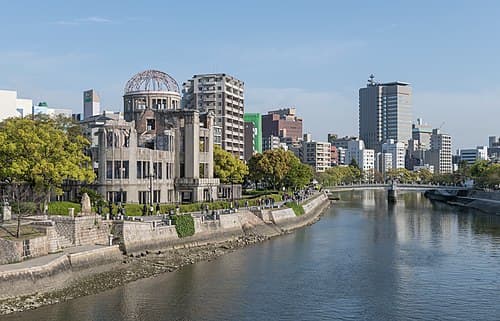
Hiroshima
LOCATION6 w/ Brahman·6 w/ Buddhi
VA
Vasudeva
PERSON6 w/ Brahman·6 w/ Buddhi
SA
Samkhya
PERSON6 w/ Brahman·6 w/ Buddhi
OM
Oliver Manuel
PERSON6 w/ Brahman·6 w/ Buddhi
JE
Jerico
PERSON6 w/ Brahman·6 w/ Buddhi
Vedanta
ORGANIZATION6 w/ Brahman·6 w/ Buddhi
Puruasa
LOCATION6 w/ Brahman·6 w/ Buddhi
Deepak
ORGANIZATION6 w/ Brahman·6 w/ Buddhi
Purusa
ORGANIZATION6 w/ Brahman·6 w/ Buddhi
Upanishads
ORGANIZATION6 w/ Brahman·6 w/ Buddhi
Vedic
ORGANIZATION6 w/ Brahman·6 w/ Buddhi
DA
Darsanas
PERSON6 w/ Brahman·6 w/ Buddhi
DV
Dvaitist
PERSON6 w/ Brahman·6 w/ Buddhi
Classical Yoga
ORGANIZATION6 w/ Brahman·6 w/ Buddhi
Advaita Vedanta
ORGANIZATION6 w/ Brahman·6 w/ Buddhi
Manas
ORGANIZATION6 w/ Brahman·6 w/ Buddhi
TA
Tagore
PERSON6 w/ Brahman·6 w/ Buddhi