Back to Network











5
Shared Docs
5
Same-Page
5 / 5
Mentions
Document Mentions (5 shared documents)
2 mentions1 same-page
Page ?Same page
likelihood that the Eleventh Circuit will agree. Indeed, the Court's opinion creates an incentive for attorneys not to do precisely what Hickman v. Taylor, 329 U.S. 495 (1947), was intended to encourage attorneys to do: reduce facts, ideas, and opinions to writing. A return to the days of settlement/p
. P. 11(0 and Fed. R. Evid. 410 and did not see fit to recognize a privilege for plea negotiation communications. Neither the Rules of Evidence nor the Rules of Criminal Procedure, however, have ever dealt with specifying the privileges which will and will not be recognized; instead, they leave that function to the courts unde
2 mentions1 same-page
Page ?Same page
for attorneys not to do precisely what Hickman I. Taylor, 329 U.S. 495 (1947), was intended to encourage
P. 11(f) and Fed. R. Evid. 410 and did not see fit to recognize a privilege for plea negotiation communications. Neither the Rules of Evidence nor the Rules of Criminal Procedure, however, have ever dealt with specifying the privileges which 00 1e will and will not be recognized; instead, they leave that function to the court
Sponsored
2 mentions1 same-page
Page ?Same page
3d 391 (1st Cir. 2005) 54 *Goodyear Tire & Rubber Co. v. Chiles Power Supply, Inc., 332 F.3d 976, 980 (6th Cir. 2003) 32,33, 38,40 Hickman v. Taylor, 329 U.S. 495 (1947) 14, 20, 21 Holt-Orsted v. City of Dickson, 641 F.3d 230 (6th Cir. 2011) 51, 52, 55 In re Air Crash Near Cali, Colombia,
nd Fed. R. Evid. 410 and did not see fit to recognize a privilege for plea negotiation communications. DE188:8-9. Neither the Rules of Evidence nor the Rules of Criminal Procedure, however, have ever dealt with specifying the privileges which will and will not be recognized; instead, they leave that function to the courts und
2 mentions1 same-page
Page ?Same page
he law and is certainly unsound policy. Indeed, the district court's opinion creates an incentive for attorneys not to do precisely what Hickman v. Taylor, 329 U.S. 495 (1947), was intended to encourage attorneys to do: reduce facts, ideas, and opinions to writing. A return to the days of settlement/p
P. 11(f) and Fed. R. Evid. 410 and did not see fit to recognize a privilege for plea negotiation communications. Neither the Rules of Evidence nor the Rules of Criminal Procedure, however, have ever dealt with specifying the privileges which will and will not be recognized; instead, they leave that function to the courts und
Sponsored
Mutual Connections (97)
Entities connected to both Emmy Taylor and the Rules of Criminal Procedure
Jeffrey Epstein
PERSON1,366 w/ Emmy·7 w/ the
Ghislaine Maxwell
PERSON512 w/ Emmy·2 w/ the
Prince Andrew
PERSON380 w/ Emmy·2 w/ the
LB
Leon Black
PERSON297 w/ Emmy·7 w/ the
United States
LOCATION296 w/ Emmy·7 w/ the
Department of Justice
ORGANIZATION261 w/ Emmy·2 w/ the
Virginia Giuffre
PERSON245 w/ Emmy·2 w/ the
Scarlett Johansson
PERSON234 w/ Emmy·5 w/ the
Stephen Hawking
PERSON220 w/ Emmy·2 w/ the
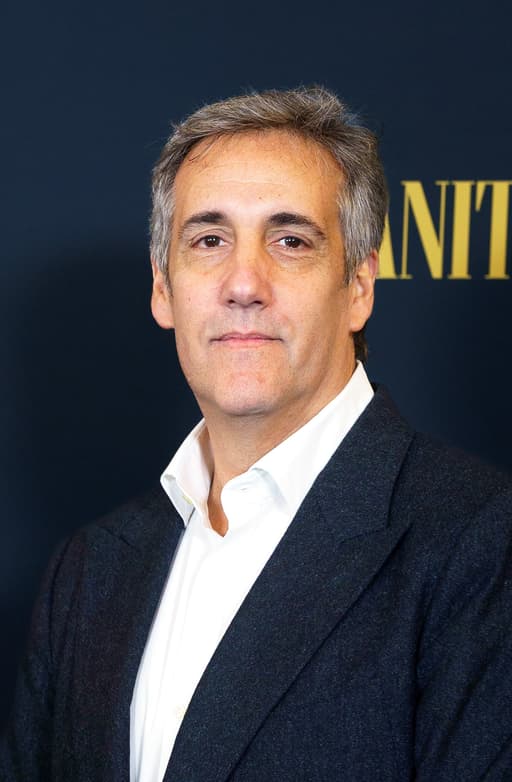
Michael Cohen
PERSON177 w/ Emmy·4 w/ the
Samantha Power
PERSON175 w/ Emmy·2 w/ the
FBI
ORGANIZATION160 w/ Emmy·2 w/ the
MF
Maria Farmer
PERSON154 w/ Emmy·3 w/ the
Supreme Court
ORGANIZATION151 w/ Emmy·5 w/ the
the Southern District
LOCATION139 w/ Emmy·5 w/ the
Bradley Edwards
PERSON137 w/ Emmy·4 w/ the
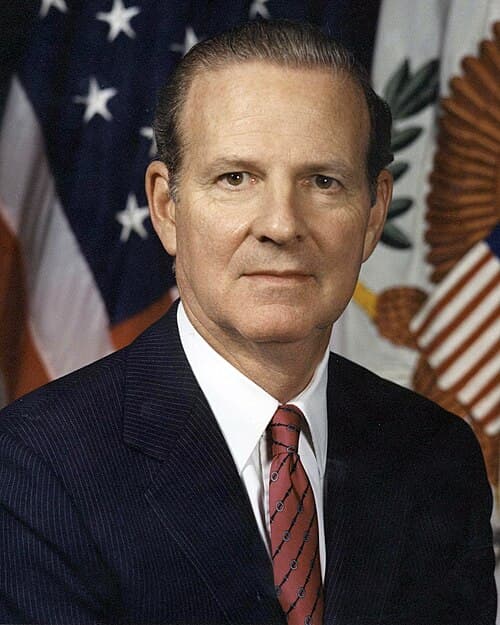
James Baker
PERSON137 w/ Emmy·2 w/ the
MW
Martin Weinberg
PERSON123 w/ Emmy·5 w/ the
Bradley Cooper
PERSON122 w/ Emmy·5 w/ the
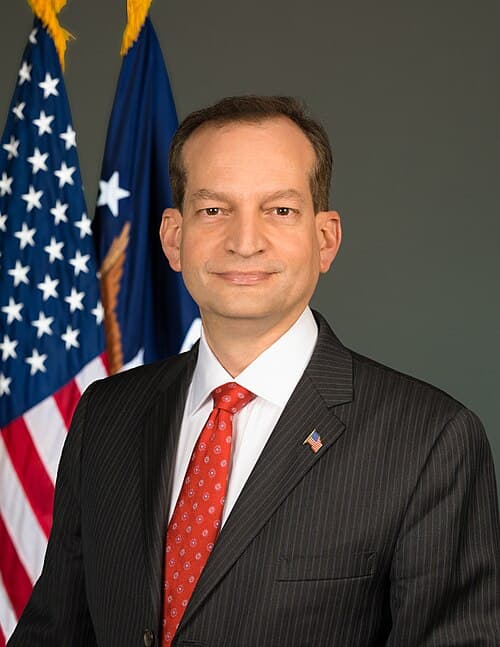
Alexander Acosta
PERSON113 w/ Emmy·2 w/ the