Back to Network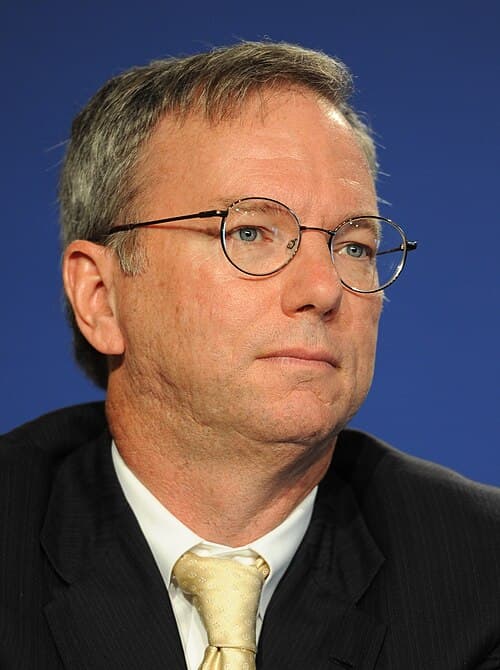




5
Shared Docs
5
Same-Page
5 / 5
Mentions
Document Mentions (5 shared documents)
2 mentions1 same-page
Page ?Same page
s "are violated only when the challenged conduct invaded his legitimate expectation of privacy rather than that of a third party." United States v. Payner, 447 U.S. 727, 731 (1980) (emphasis in original); see also United States v. Villegas, 899 F.2d 1324, 1333 (2d Cir. 1990). Ultimately, the Fourth Ame
he defendant] of the Fifth Amendment privilege barred use of his confession at trial"); United States v. Mitchell, 966 F.2d 92, 100 (2d Cir. 1992) ("Inculpatory statements are not involuntary when they result from a desire to cooperate, or from a defendant's ignorance of, or inattention to, his right to rem
2 mentions1 same-page
Page ?Same page
s "are violated only when the challenged conduct invaded his legitimate expectation of privacy rather than that of a third party." United States v. Payner, 447 U.S. 727, 731 (1980) (emphasis in original); see also United States v. Villegas, 899 F.2d 1324, 1333 (2d Cir. 1990). Ultimately, the Fourth Ame
he defendant] of the Fifth Amendment privilege barred use of his confession at trial"); United States v. Mitchell, 966 F.2d 92, 100 (2d Cir. 1992) ("Inculpatory statements are not involuntary when they result from a desire to cooperate, or from a defendant's ignorance of, or inattention to, his right to rem
2 mentions1 same-page
Page ?Same page
s "are violated only when the challenged conduct invaded his legitimate expectation of privacy rather than that of a third party." United States v. Payner, 447 U.S. 727, 731 (1980) (emphasis in original); see also United States v. Villegas, 899 F.2d 1324, 1333 (2d Cir. 1990). Ultimately, the Fourth Ame
he defendant] of the Fifth Amendment privilege barred use of his confession at trial"); United States v. Mitchell, 966 F.2d 92, 100 (2d Cir. 1992) ("Inculpatory statements are not involuntary when they result from a desire to cooperate, or from a defendant's ignorance of, or inattention to, his right to rem
Sponsored
2 mentions1 same-page
Page ?Same page
s "are violated only when the challenged conduct invaded his legitimate expectation of privacy rather than that of a third party." United States v. Payner, 447 U.S. 727, 731 (1980) (emphasis in original); see also United States v. Viliegas, 899 F.2d 1324, 1333 (2d Cir. 1990). Ultimately, the Fourth Ame
he defendant] of the Fifth Amendment privilege barred use of his confession at trial"); United States v. Mitchell, 966 F.2d 92, 100 (2d Cir. 1992) ("Inculpatory statements are not involuntary when they result from a desire to cooperate, or from a defendant's ignorance of, or inattention to, his right to rem
2 mentions1 same-page
Page ?Same page
s "are violated only when the challenged conduct invaded his legitimate expectation of privacy rather than that of a third party." United States v. Payner, 447 U.S. 727, 731 (1980) (emphasis in original); see also United States v. Villegas, 899 F.2d 1324, 1333 (2d Cir. 1990). Ultimately, the Fourth Ame
he defendant] of the Fifth Amendment privilege barred use of his confession at trial"); United States v. Mitchell, 966 F.2d 92, 100 (2d Cir. 1992) ("Inculpatory statements are not involuntary when they result from a desire to cooperate, or from a defendant's ignorance of, or inattention to, his right to rem
Sponsored
Mutual Connections (259)
Entities connected to both Payner and Inculpatory
CM
Colleen McMahon
PERSON13 w/ Payner·5 w/ Inculpatory
Eric Schmidt
PERSON13 w/ Payner·5 w/ Inculpatory
Ghislaine Maxwell
PERSON13 w/ Payner·5 w/ Inculpatory
Jeffrey Epstein
PERSON13 w/ Payner·5 w/ Inculpatory
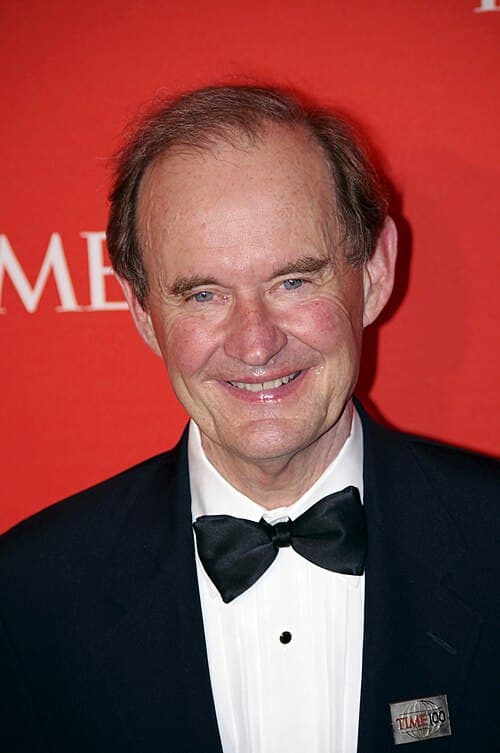
David Boies
PERSON13 w/ Payner·5 w/ Inculpatory
MA
Martindell
PERSON12 w/ Payner·5 w/ Inculpatory
Julie K. Brown
PERSON12 w/ Payner·5 w/ Inculpatory
United States
LOCATION11 w/ Payner·5 w/ Inculpatory
the Southern District
LOCATION11 w/ Payner·5 w/ Inculpatory
CA
Canfield
PERSON10 w/ Payner·5 w/ Inculpatory
Carpenter
PERSON10 w/ Payner·5 w/ Inculpatory
FI
Fisher
PERSON10 w/ Payner·5 w/ Inculpatory
the Second Circuit's
ORGANIZATION10 w/ Payner·5 w/ Inculpatory
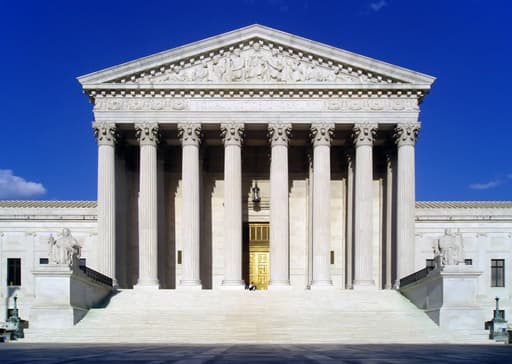
Supreme Court
ORGANIZATION10 w/ Payner·5 w/ Inculpatory
Andover Data Servs
ORGANIZATION9 w/ Payner·4 w/ Inculpatory
JP
Jeffrey Pagliuca
PERSON8 w/ Payner·5 w/ Inculpatory
Bradley Edwards
PERSON8 w/ Payner·5 w/ Inculpatory
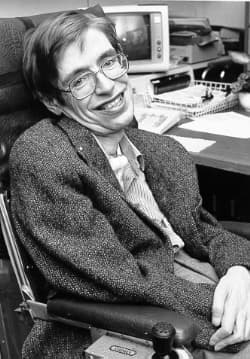
Stephen Hawking
PERSON8 w/ Payner·5 w/ Inculpatory
FA
Falso
PERSON8 w/ Payner·5 w/ Inculpatory
LP
Loretta A. Preska
PERSON8 w/ Payner·5 w/ Inculpatory