Back to Network





5
Shared Docs
5
Same-Page
5 / 5
Mentions
Document Mentions (5 shared documents)
2 mentions1 same-page
Page ?Same page
t that argument ignores a fundamental tenet of conspiracy law. It is axiomatic that a conspiracy does not require a completed substantive crime. See Salinas v. United States, 522 U.S. 52, 65 (1997) ("It is elementary that a conspiracy may exist and be punished whether or not the substantive crime ensure
he defendant] of the Fifth Amendment privilege barred use of his confession at trial"); United States v. Mitchell, 966 F.2d 92, 100 (2d Cir. 1992) ("Inculpatory statements are not involuntary when they result from a desire to cooperate, or from a defendant's ignorance of, or inattention to, his right to rem
2 mentions1 same-page
Page ?Same page
t that argument ignores a fundamental tenet of conspiracy law. It is axiomatic that a conspiracy does not require a completed substantive crime. See Salinas v. United States, 522 U.S. 52, 65 (1997) ("It is elementary that a conspiracy may exist and be punished whether or not the substantive crime ensure
he defendant] of the Fifth Amendment privilege barred use of his confession at trial"); United States v. Mitchell, 966 F.2d 92, 100 (2d Cir. 1992) ("Inculpatory statements are not involuntary when they result from a desire to cooperate, or from a defendant's ignorance of, or inattention to, his right to rem
2 mentions1 same-page
Page ?Same page
t that argument ignores a fundamental tenet of conspiracy law. It is axiomatic that a conspiracy does not require a completed substantive crime. See Salinas v. United States, 522 U.S. 52, 65 (1997) ("It is elementary that a conspiracy may exist and be punished whether or not the substantive crime ensure
he defendant] of the Fifth Amendment privilege barred use of his confession at trial"); United States v. Mitchell, 966 F.2d 92, 100 (2d Cir. 1992) ("Inculpatory statements are not involuntary when they result from a desire to cooperate, or from a defendant's ignorance of, or inattention to, his right to rem
Sponsored
2 mentions1 same-page
Page ?Same page
t that argument ignores a fundamental tenet of conspiracy law. It is axiomatic that a conspiracy does not require a completed substantive crime. See Salinas v. United States, 522 U.S. 52, 65 (1997) ("It is elementary that a conspiracy may exist and be punished whether or not the substantive crime ensure
he defendant] of the Fifth Amendment privilege barred use of his confession at trial"); United States v. Mitchell, 966 F.2d 92, 100 (2d Cir. 1992) ("Inculpatory statements are not involuntary when they result from a desire to cooperate, or from a defendant's ignorance of, or inattention to, his right to rem
2 mentions1 same-page
Page ?Same page
t that argument ignores a fundamental tenet of conspiracy law. It is axiomatic that a conspiracy does not require a completed substantive crime. See Salinas v. United States, 522 U.S. 52, 65 (1997) ("It is elementary that a conspiracy may exist and be punished whether or not the substantive crime ensure
he defendant] of the Fifth Amendment privilege barred use of his confession at trial"); United States v. Mitchell, 966 F.2d 92, 100 (2d Cir. 1992) ("Inculpatory statements are not involuntary when they result from a desire to cooperate, or from a defendant's ignorance of, or inattention to, his right to rem
Sponsored
Mutual Connections (259)
Entities connected to both Salinas and Inculpatory
Jeffrey Epstein
PERSON25 w/ Salinas·5 w/ Inculpatory
Ghislaine Maxwell
PERSON24 w/ Salinas·5 w/ Inculpatory
United States
LOCATION22 w/ Salinas·5 w/ Inculpatory
Julie K. Brown
PERSON18 w/ Salinas·5 w/ Inculpatory
MF
Maria Farmer
PERSON18 w/ Salinas·4 w/ Inculpatory
Minnesota
LOCATION17 w/ Salinas·5 w/ Inculpatory
Scarlett Johansson
PERSON16 w/ Salinas·5 w/ Inculpatory
Supreme Court
ORGANIZATION16 w/ Salinas·5 w/ Inculpatory
WE
Werner
PERSON15 w/ Salinas·5 w/ Inculpatory
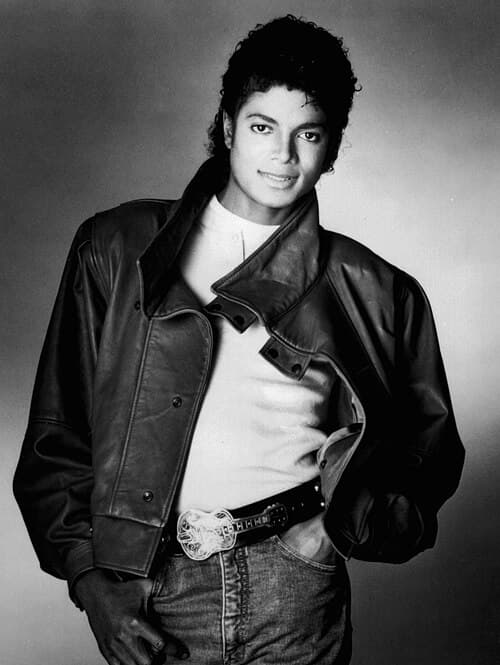
Michael Jackson
PERSON15 w/ Salinas·5 w/ Inculpatory
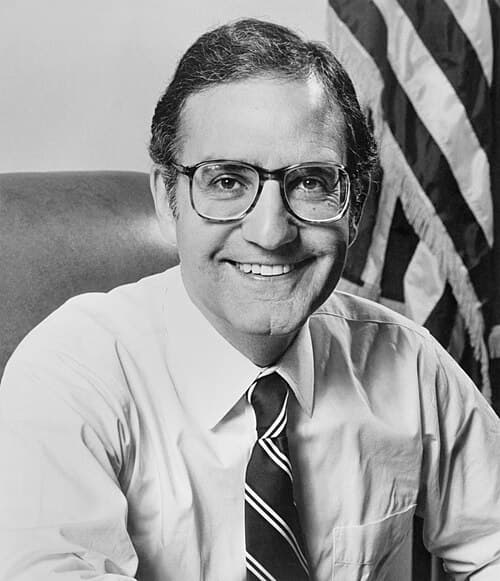
George Mitchell
PERSON15 w/ Salinas·5 w/ Inculpatory
Sacramento
LOCATION13 w/ Salinas·5 w/ Inculpatory
Southern District of New York
ORGANIZATION13 w/ Salinas·5 w/ Inculpatory
MC
McAleenan
PERSON13 w/ Salinas·5 w/ Inculpatory
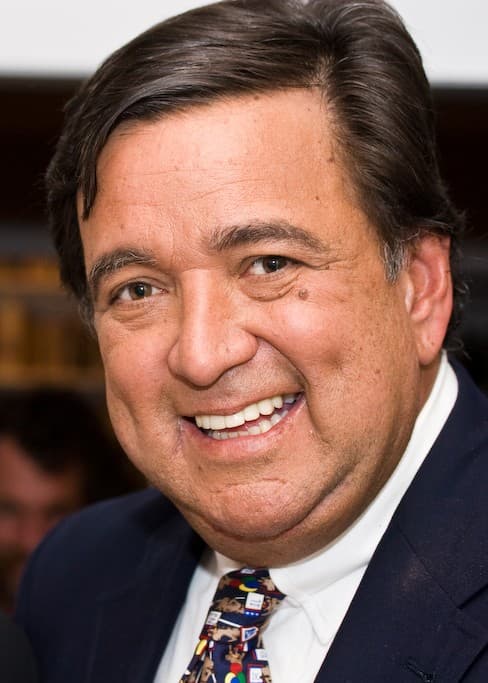
Bill Richardson
PERSON13 w/ Salinas·5 w/ Inculpatory
Adriana Ross
PERSON13 w/ Salinas·5 w/ Inculpatory
Colorado
LOCATION13 w/ Salinas·5 w/ Inculpatory
MY
Myers
PERSON13 w/ Salinas·5 w/ Inculpatory
CO
Concepcion
PERSON12 w/ Salinas·5 w/ Inculpatory
MW
Martin Weinberg
PERSON12 w/ Salinas·5 w/ Inculpatory