Back to Network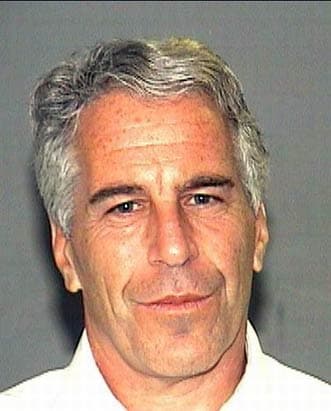







5
Shared Docs
5
Same-Page
5 / 5
Mentions
Document Mentions (5 shared documents)
2 mentions1 same-page
Page ?Same page
t that argument ignores a fundamental tenet of conspiracy law. It is axiomatic that a conspiracy does not require a completed substantive crime. See Salinas v. United States, 522 U.S. 52, 65 (1997) ("It is elementary that a conspiracy may exist and be punished whether or not the substantive crime ensure
). The good faith exception analysis applies in the context of court orders. See, e.g., Zodhiates, 901 F.3d at 143 (applying good faith analysis in Fourth Amendment challenge to cell phone location information obtained by subpoena issued pursuant to 18 U.S.C. § 2703(c)(2)); United States v. Serrano, No. 13 Cr.
2 mentions1 same-page
Page ?Same page
t that argument ignores a fundamental tenet of conspiracy law. It is axiomatic that a conspiracy does not require a completed substantive crime. See Salinas v. United States, 522 U.S. 52, 65 (1997) ("It is elementary that a conspiracy may exist and be punished whether or not the substantive crime ensure
). The good faith exception analysis applies in the context of court orders. See, e.g., Zodhiates, 901 F.3d at 143 (applying good faith analysis in Fourth Amendment challenge to cell phone location information obtained by subpoena issued pursuant to 18 U.S.C. § 2703(c)(2)); United States v. Serrano, No. 13 Cr.
2 mentions1 same-page
Page ?Same page
t that argument ignores a fundamental tenet of conspiracy law. It is axiomatic that a conspiracy does not require a completed substantive crime. See Salinas v. United States, 522 U.S. 52, 65 (1997) ("It is elementary that a conspiracy may exist and be punished whether or not the substantive crime ensure
). The good faith exception analysis applies in the context of court orders. See, e.g., Zodhiates, 901 F.3d at 143 (applying good faith analysis in Fourth Amendment challenge to cell phone location information obtained by subpoena issued pursuant to 18 U.S.C. § 2703(c)(2)); United States v. Serrano, No. 13 Cr.
Sponsored
2 mentions1 same-page
Page ?Same page
t that argument ignores a fundamental tenet of conspiracy law. It is axiomatic that a conspiracy does not require a completed substantive crime. See Salinas v. United States, 522 U.S. 52, 65 (1997) ("It is elementary that a conspiracy may exist and be punished whether or not the substantive crime ensure
). The good faith exception analysis applies in the context of court orders. See, e.g., Zodhiates, 901 F.3d at 143 (applying good faith analysis in Fourth Amendment challenge to cell phone location information obtained by subpoena issued pursuant to 18 U.S.C. § 2703(c)(2)); United States v. Serrano, No. 13 Cr.
2 mentions1 same-page
Page ?Same page
t that argument ignores a fundamental tenet of conspiracy law. It is axiomatic that a conspiracy does not require a completed substantive crime. See Salinas v. United States, 522 U.S. 52, 65 (1997) ("It is elementary that a conspiracy may exist and be punished whether or not the substantive crime ensure
). The good faith exception analysis applies in the context of court orders. See, e.g., Zodhiates, 901 F.3d at 143 (applying good faith analysis in Fourth Amendment challenge to cell phone location information obtained by subpoena issued pursuant to 18 U.S.C. § 2703(c)(2)); United States v. Serrano, No. 13 Cr.
Sponsored
Mutual Connections (260)
Entities connected to both Salinas and Fourth Amendment
Jeffrey Epstein
PERSON25 w/ Salinas·6 w/ Fourth
Ghislaine Maxwell
PERSON24 w/ Salinas·5 w/ Fourth
United States
LOCATION22 w/ Salinas·6 w/ Fourth
Julie K. Brown
PERSON18 w/ Salinas·5 w/ Fourth
Minnesota
LOCATION17 w/ Salinas·5 w/ Fourth
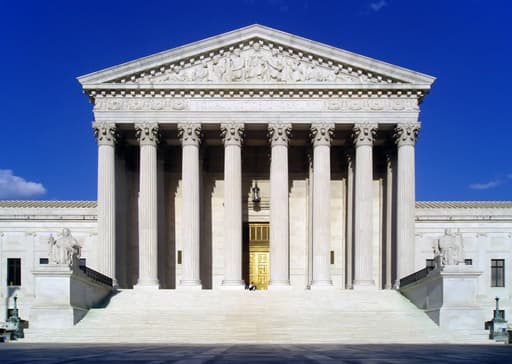
Supreme Court
ORGANIZATION16 w/ Salinas·6 w/ Fourth
Scarlett Johansson
PERSON16 w/ Salinas·6 w/ Fourth
MF
Maria Farmer
PERSON18 w/ Salinas·4 w/ Fourth
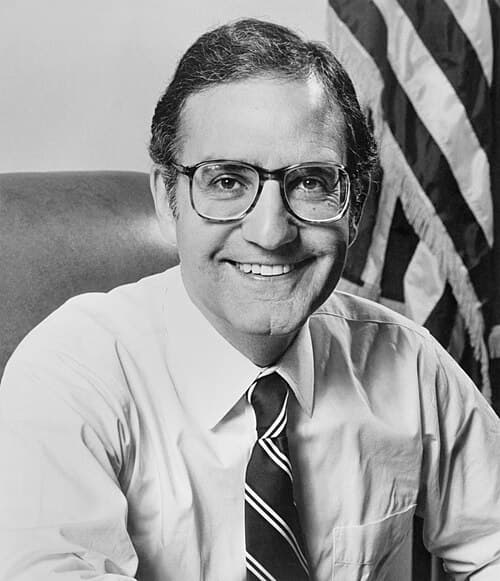
George Mitchell
PERSON15 w/ Salinas·5 w/ Fourth
WE
Werner
PERSON15 w/ Salinas·5 w/ Fourth
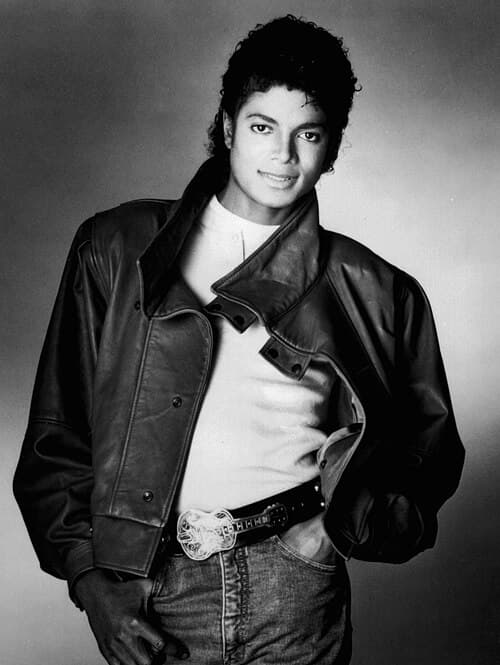
Michael Jackson
PERSON15 w/ Salinas·5 w/ Fourth
Adriana Ross
PERSON13 w/ Salinas·5 w/ Fourth
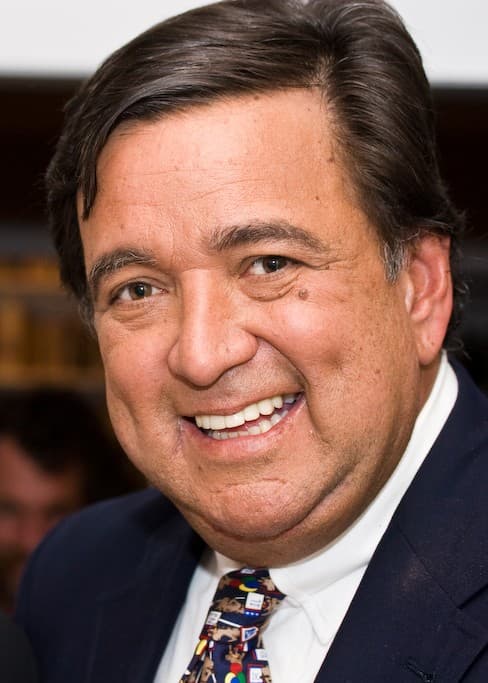
Bill Richardson
PERSON13 w/ Salinas·5 w/ Fourth
MC
McAleenan
PERSON13 w/ Salinas·5 w/ Fourth
Colorado
LOCATION13 w/ Salinas·5 w/ Fourth
Southern District of New York
ORGANIZATION13 w/ Salinas·5 w/ Fourth
Sacramento
LOCATION13 w/ Salinas·5 w/ Fourth
MY
Myers
PERSON13 w/ Salinas·5 w/ Fourth
Mason
ORGANIZATION12 w/ Salinas·5 w/ Fourth
Figueroa
PERSON12 w/ Salinas·5 w/ Fourth