Back to Network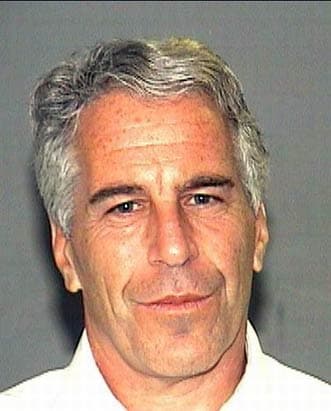








9
Shared Docs
9
Same-Page
9 / 9
Mentions
Document Mentions (9 shared documents)
2 mentions1 same-page
Page ?Same page
United States, 165 U.S. 257 (1897) 296 Russell v. United States, 369 U.S. 749 (1962) 229 Rutenberg v. United States, 245 U.S. 480 (1918) 292 Salinas v. United States, 522 U.S. 52 (1997) 245 San to hello v. United States, No. 94 Cr. (RPP), 1998 WL 113950 (S.D.N.Y. Mar. 13, 1998) 21 Sch. Dist.
07 Cr. 1198 (CM), 2009 WL 176721 (S.D.N.Y. Jan. 23, 2009) 269 United States v. Santiago, 987 F. Supp. 2d 465 (S.D.N.Y. 2013) 75 United States v. Sarwari, 669 F.3d 401 (4th Cir. 2012) 179, 180 United States v. Saftar, 272 F. Supp. 2d 348 (S.D.N.Y. 2003) 27 United States v. Savage, 970 F.3d 217
2 mentions1 same-page
Page ?Same page
t that argument ignores a fundamental tenet of conspiracy law. It is axiomatic that a conspiracy does not require a completed substantive crime. See Salinas v. United States, 522 U.S. 52, 65 (1997) ("It is elementary that a conspiracy may exist and be punished whether or not the substantive crime ensure
w being questioned in his role as trustee." 782 F.2d at 376. "[F]undamental ambiguity," however, "is the exception, not the rule." United States v. Sarwari, 669 F.3d 401, 407 (4th Cir. 2012) (quoting United States v. Farmer, 137 F.3d 1265, 1269 (10th Cir. 1998)). A defendant cannot demonstrate fundament
2 mentions1 same-page
Page ?Same page
United States, 165 U.S. 257 (1897) 296 Russell v. United States, 369 U.S. 749 (1962) 229 Rutenberg v. United States, 245 U.S. 480 (1918) 292 Salinas v. United States, 522 U.S. 52 (1997) 245 Santobello v. United States, No. 94 Cr. (RPP), 1998 WL 113950 (S.D.N.Y. Mar. 13, 1998) 21 Sch. Dist. N
07 Cr. 1198 (CM), 2009 WL 176721 (S.D.N.Y. Jan. 23, 2009) 269 United States v. Santiago, 987 F. Supp. 2d 465 (S.D.N.Y. 2013) 75 United States v. Sarwari, 669 F.3d 401 (4th Cir. 2012) 179, 180 United States v. Sattar, 272 F. Supp. 2d 348 (S.D.N.Y. 2003) 27 United States v. Savage, 970 F.3d 217 (
Sponsored
2 mentions1 same-page
Page ?Same page
t that argument ignores a fundamental tenet of conspiracy law. It is axiomatic that a conspiracy does not require a completed substantive crime. See Salinas v. United States, 522 U.S. 52, 65 (1997) ("It is elementary that a conspiracy may exist and be punished whether or not the substantive crime ensure
w being questioned in his role as trustee." 782 F.2d at 376. "[F]undamental ambiguity," however, "is the exception, not the rule." United States v. Sarwari, 669 F.3d 401, 407 (4th Cir. 2012) (quoting United States v. Fanner, 137 F.3d 1265, 1269 (10th Cir. 1998)). A defendant cannot demonstrate fundament
2 mentions1 same-page
Page ?Same page
United States, 165 U.S. 257 (1897) 296 Russell v. United States, 369 U.S. 749 (1962) 229 Rutenberg v. United States, 245 U.S. 480 (1918) 292 Salinas v. United States, 522 U.S. 52 (1997) 245 Santobello v. United States, No. 94 Cr. (RPP), 1998 WL 113950 (S.D.N.Y. Mar. 13, 1998) 21 Sch. Dist. N
07 Cr. 1198 (CM), 2009 WL 176721 (S.D.N.Y. Jan. 23, 2009) 269 United States v. Santiago, 987 F. Supp. 2d 465 (S.D.N.Y. 2013) 75 United States v. Sarwari, 669 F.3d 401 (4th Cir. 2012) 179, 180 United States v. Sattar, 272 F. Supp. 2d 348 (S.D.N.Y. 2003) 27 United States v. Savage, 970 F.3d 217 (
2 mentions1 same-page
Page ?Same page
t that argument ignores a fundamental tenet of conspiracy law. It is axiomatic that a conspiracy does not require a completed substantive crime. See Salinas v. United States, 522 U.S. 52, 65 (1997) ("It is elementary that a conspiracy may exist and be punished whether or not the substantive crime ensure
w being questioned in his role as trustee." 782 F.2d at 376. "[F]undamental ambiguity," however, "is the exception, not the rule." United States v. Sarwari, 669 F.3d 401, 407 (4th Cir. 2012) (quoting United States v. Fanner, 137 F.3d 1265, 1269 (10th Cir. 1998)). A defendant cannot demonstrate fundament
Sponsored
2 mentions1 same-page
Page ?Same page
United States, 165 U.S. 257 (1897) 203 Russell v. United States, 369 U.S. 749 (1962) 151 Rutenberg v. United States, 245 U.S. 480 (1918) 200 Salinas v. United States, 522 U.S. 52 (1997) 161 Santobello v. United States, No. 94 Cr. (RPP), 1998 WL 113950 (S.D.N.Y. Mar. 13, 1998) 18 Sch. Dist. N
07 Cr. 1198 (CM), 2009 WL 176721 (S.D.N.Y. Jan. 23, 2009) 177 United States v. Santiago, 987 F. Supp. 2d 465 (S.D.N.Y. 2013) 52 United States v. Sarwari, 669 F.3d 401 (4th Cir. 2012) 120, 121 United States v. Sattar, 272 F. Supp. 2d 348 (S.D.N.Y. 2003) 22 United States v. Savage, 970 F.3d 217 (
2 mentions1 same-page
Page ?Same page
t that argument ignores a fundamental tenet of conspiracy law. It is axiomatic that a conspiracy does not require a completed substantive crime. See Salinas v. United States, 522 U.S. 52, 65 (1997) ("It is elementary that a conspiracy may exist and be punished whether or not the substantive crime ensure
ow being questioned in his role as trustee." 782 F.2d at 376. "[F]undamental ambiguity," however, "is the exception, not the rule." United States v. Sarwari, 669 F.3d 401, 407 (4th Cir. 2012) (quoting United States v. Fanner, 137 F.3d 1265, 1269 (10th Cir. 1998)). A defendant cannot demonstrate fundamen
2 mentions1 same-page
Page ?Same page
United States, 165 U.S. 257 (1897) 296 Russell v. United States, 369 U.S. 749 (1962) 229 Rutenberg v. United States, 245 U.S. 480 (1918) 292 Salinas v. United States, 522 U.S. 52 (1997) 245 Santobello v. United States, No. 94 Cr. (RPP), 1998 WL 113950 (S.D.N.Y. Mar. 13, 1998) 21 Sch. Dist. N
07 Cr. 1198 (CM), 2009 WL 176721 (S.D.N.Y. Jan. 23, 2009) 269 United States v. Santiago, 987 F. Supp. 2d 465 (S.D.N.Y. 2013) 75 United States v. Sarwari, 669 F.3d 401 (4th Cir. 2012) 179, 180 United States v. Sattar, 272 F. Supp. 2d 348 (S.D.N.Y. 2003) 27 United States v. Savage, 970 F.3d 217
Sponsored
Mutual Connections (489)
Entities connected to both Salinas and Sarwari
Jeffrey Epstein
PERSON25 w/ Salinas·9 w/ Sarwari
Ghislaine Maxwell
PERSON24 w/ Salinas·9 w/ Sarwari
United States
LOCATION22 w/ Salinas·9 w/ Sarwari
Julie K. Brown
PERSON18 w/ Salinas·9 w/ Sarwari
MF
Maria Farmer
PERSON18 w/ Salinas·8 w/ Sarwari
Minnesota
LOCATION17 w/ Salinas·9 w/ Sarwari
Scarlett Johansson
PERSON16 w/ Salinas·9 w/ Sarwari
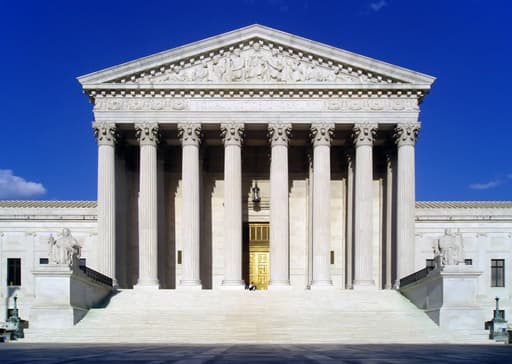
Supreme Court
ORGANIZATION16 w/ Salinas·9 w/ Sarwari
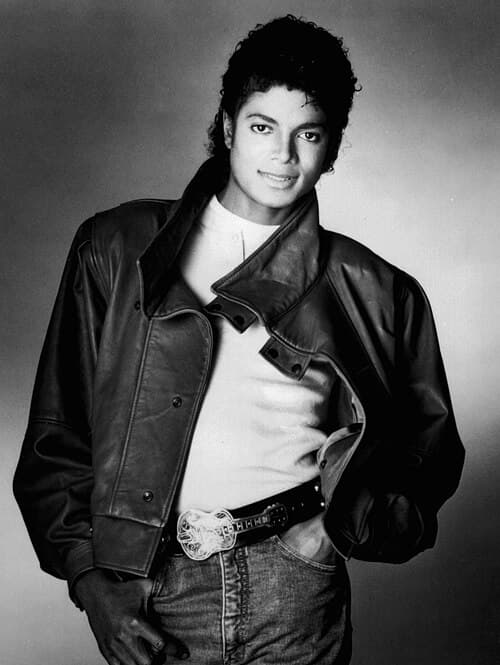
Michael Jackson
PERSON15 w/ Salinas·9 w/ Sarwari
WE
Werner
PERSON15 w/ Salinas·9 w/ Sarwari
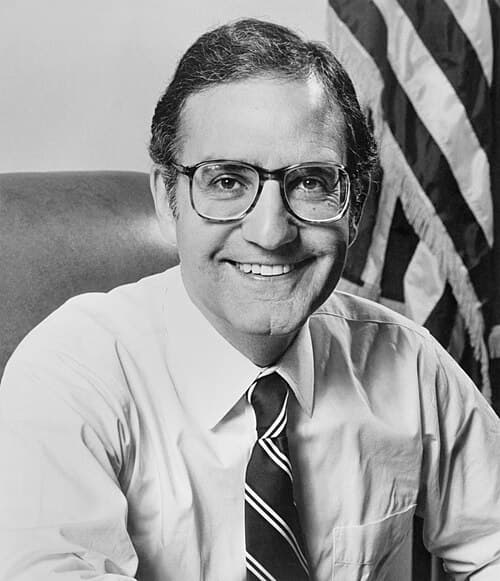
George Mitchell
PERSON15 w/ Salinas·9 w/ Sarwari
Sacramento
LOCATION13 w/ Salinas·9 w/ Sarwari
Adriana Ross
PERSON13 w/ Salinas·9 w/ Sarwari
Colorado
LOCATION13 w/ Salinas·9 w/ Sarwari
MY
Myers
PERSON13 w/ Salinas·9 w/ Sarwari
MC
McAleenan
PERSON13 w/ Salinas·9 w/ Sarwari
Bill Richardson
PERSON13 w/ Salinas·9 w/ Sarwari
Southern District of New York
ORGANIZATION13 w/ Salinas·9 w/ Sarwari
Figueroa
PERSON12 w/ Salinas·9 w/ Sarwari
CO
Concepcion
PERSON12 w/ Salinas·9 w/ Sarwari