Back to Network








9
Shared Docs
9
Same-Page
9 / 9
Mentions
Document Mentions (9 shared documents)
2 mentions1 same-page
Page ?Same page
United States, 165 U.S. 257 (1897) 296 Russell v. United States, 369 U.S. 749 (1962) 229 Rutenberg v. United States, 245 U.S. 480 (1918) 292 Salinas v. United States, 522 U.S. 52 (1997) 245 San to hello v. United States, No. 94 Cr. (RPP), 1998 WL 113950 (S.D.N.Y. Mar. 13, 1998) 21 Sch. Dist.
7) 274 United States v. Roberts, 660 F.3d 149 (2d Cir. 2011) 138 United States v. Roberts, 852 F.2d 671 (2d Cir. 1988) 132 United States v. Rolan-Zapata, 916 F.2d 795 (2d Cir. 1990) 256 United States v. Rosa, 11 F.3d 315 (2d Cir. 1993) 253 United States v. Rosa, 626 F.3d 56 (2d Cir. 2010) 123
2 mentions1 same-page
Page ?Same page
United States, 165 U.S. 257 (1897) 296 Russell v. United States, 369 U.S. 749 (1962) 229 Rutenberg v. United States, 245 U.S. 480 (1918) 292 Salinas v. United States, 522 U.S. 52 (1997) 245 Santobello v. United States, No. 94 Cr. (RPP), 1998 WL 113950 (S.D.N.Y. Mar. 13, 1998) 21 Sch. Dist. N
017) 274 United States v. Roberts, 660 F.3d 149 (2d Cir. 2011) 138 United States v. Roberts, 852 F.2d 671 (2d Cir. 1988) 132 United States v. Rolan-Zapata, 916 F.2d 795 (2d Cir. 1990) 256 United States v. Rosa, 11 F.3d 315 (2d Cir. 1993) 253 United States v. Rosa, 626 F.3d 56 (2d Cir. 2010) 123
2 mentions1 same-page
Page ?Same page
t that argument ignores a fundamental tenet of conspiracy law. It is axiomatic that a conspiracy does not require a completed substantive crime. See Salinas v. United States, 522 U.S. 52, 65 (1997) ("It is elementary that a conspiracy may exist and be punished whether or not the substantive crime ensure
nfairly prejudicial where it is not "any more sensational or disturbing than the crimes" with which the defendant has been charged. United States v. Rolan-Zapata, 916 F.2d 795, 804 (2d Cir. 1990). Here, as already discussed, evidence regarding Minor Victim-3's experiences with the defendant and Epstein are n
Sponsored
2 mentions1 same-page
Page ?Same page
United States, 165 U.S. 257 (1897) 296 Russell v. United States, 369 U.S. 749 (1962) 229 Rutenberg v. United States, 245 U.S. 480 (1918) 292 Salinas v. United States, 522 U.S. 52 (1997) 245 Santobello v. United States, No. 94 Cr. (RPP), 1998 WL 113950 (S.D.N.Y. Mar. 13, 1998) 21 Sch. Dist. N
017) 274 United States v. Roberts, 660 F.3d 149 (2d Cir. 2011) 138 United States v. Roberts, 852 F.2d 671 (2d Cir. 1988) 132 United States v. Rolan-Zapata, 916 F.2d 795 (2d Cir. 1990) 256 United States v. Rosa, 11 F.3d 315 (2d Cir. 1993) 253 United States v. Rosa, 626 F.3d 56 (2d Cir. 2010) 123
2 mentions1 same-page
Page ?Same page
t that argument ignores a fundamental tenet of conspiracy law. It is axiomatic that a conspiracy does not require a completed substantive crime. See Salinas v. United States, 522 U.S. 52, 65 (1997) ("It is elementary that a conspiracy may exist and be punished whether or not the substantive crime ensure
nfairly prejudicial where it is not "any more sensational or disturbing than the crimes" with which the defendant has been charged. United States v. Rolan-Zapata, 916 F.2d 795, 804 (2d Cir. 1990). Here, as already discussed, evidence regarding Minor Victim-3's experiences with the defendant and Epstein are n
2 mentions1 same-page
Page ?Same page
United States, 165 U.S. 257 (1897) 203 Russell v. United States, 369 U.S. 749 (1962) 151 Rutenberg v. United States, 245 U.S. 480 (1918) 200 Salinas v. United States, 522 U.S. 52 (1997) 161 Santobello v. United States, No. 94 Cr. (RPP), 1998 WL 113950 (S.D.N.Y. Mar. 13, 1998) 18 Sch. Dist. N
8, 147, 149 United States v. Roberts, 660 F.3d 149 (2d Cir. 2011) 97 United States v. Roberts, 852 F.2d 671 (2d Cir. 1988) 93 United States v. Rolan-Zapata, 916 F.2d 795 (2d Cir. 1990) 167 United States v. Rosa, 11 F.3d 315 (2d Cir. 1993) 166 United States v. Rosa, 626 F.3d 56 (2d Cir. 2010) 87
Sponsored
2 mentions1 same-page
Page ?Same page
t that argument ignores a fundamental tenet of conspiracy law. It is axiomatic that a conspiracy does not require a completed substantive crime. See Salinas v. United States, 522 U.S. 52, 65 (1997) ("It is elementary that a conspiracy may exist and be punished whether or not the substantive crime ensure
nfairly prejudicial where it is not "any more sensational or disturbing than the crimes" with which the defendant has been charged. United States v. Rolan-Zapata, 916 F.2d 795, 804 (2d Cir. 1990). Here, as already discussed, evidence regarding Minor Victim-3's experiences with the defendant and Epstein are n
2 mentions1 same-page
Page ?Same page
United States, 165 U.S. 257 (1897) 296 Russell v. United States, 369 U.S. 749 (1962) 229 Rutenberg v. United States, 245 U.S. 480 (1918) 292 Salinas v. United States, 522 U.S. 52 (1997) 245 Santobello v. United States, No. 94 Cr. (RPP), 1998 WL 113950 (S.D.N.Y. Mar. 13, 1998) 21 Sch. Dist. N
7) 274 United States v. Roberts, 660 F.3d 149 (2d Cir. 2011) 138 United States v. Roberts, 852 F.2d 671 (2d Cir. 1988) 132 United States v. Rolan-Zapata, 916 F.2d 795 (2d Cir. 1990) 256 United States v. Rosa, 11 F.3d 315 (2d Cir. 1993) 253 United States v. Rosa, 626 F.3d 56 (2d Cir. 2010) 123
2 mentions1 same-page
Page ?Same page
t that argument ignores a fundamental tenet of conspiracy law. It is axiomatic that a conspiracy does not require a completed substantive crime. See Salinas v. United States, 522 U.S. 52, 65 (1997) ("It is elementary that a conspiracy may exist and be punished whether or not the substantive crime ensure
nfairly prejudicial where it is not "any more sensational or disturbing than the crimes" with which the defendant has been charged. United States v. Rolan-Zapata, 916 F.2d 795, 804 (2d Cir. 1990). Here, as already discussed, evidence regarding Minor Victim-3's experiences with the defendant and Epstein are n
Sponsored
Mutual Connections (489)
Entities connected to both Salinas and Rolan-Zapata
Jeffrey Epstein
PERSON25 w/ Salinas·9 w/ Rolan-Zapata
Ghislaine Maxwell
PERSON24 w/ Salinas·9 w/ Rolan-Zapata
United States
LOCATION22 w/ Salinas·9 w/ Rolan-Zapata
Julie K. Brown
PERSON18 w/ Salinas·9 w/ Rolan-Zapata
Minnesota
LOCATION17 w/ Salinas·9 w/ Rolan-Zapata
MF
Maria Farmer
PERSON18 w/ Salinas·8 w/ Rolan-Zapata
Supreme Court
ORGANIZATION16 w/ Salinas·9 w/ Rolan-Zapata
Scarlett Johansson
PERSON16 w/ Salinas·9 w/ Rolan-Zapata
WE
Werner
PERSON15 w/ Salinas·9 w/ Rolan-Zapata
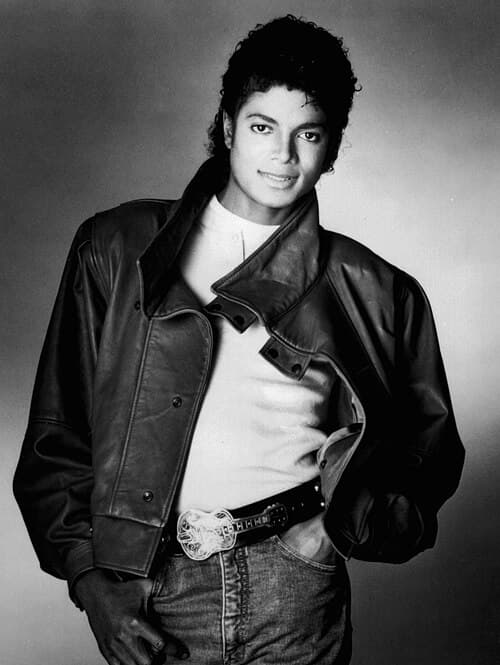
Michael Jackson
PERSON15 w/ Salinas·9 w/ Rolan-Zapata
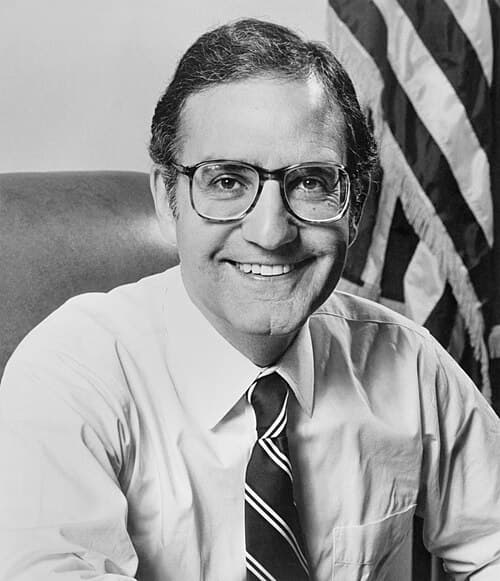
George Mitchell
PERSON15 w/ Salinas·9 w/ Rolan-Zapata
Southern District of New York
ORGANIZATION13 w/ Salinas·9 w/ Rolan-Zapata
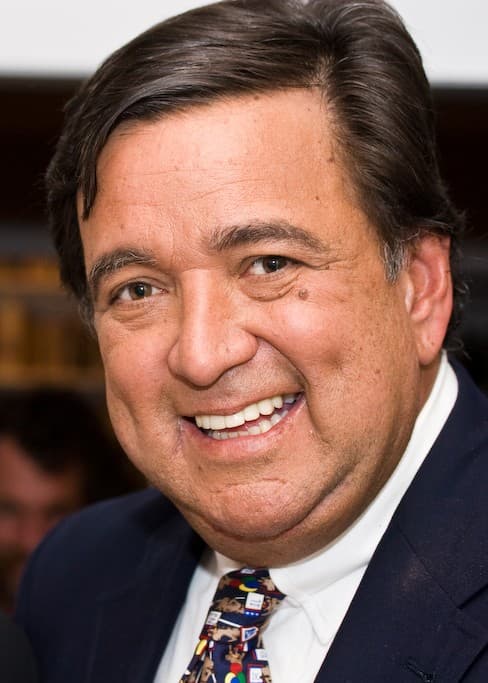
Bill Richardson
PERSON13 w/ Salinas·9 w/ Rolan-Zapata
Adriana Ross
PERSON13 w/ Salinas·9 w/ Rolan-Zapata
Sacramento
LOCATION13 w/ Salinas·9 w/ Rolan-Zapata
MY
Myers
PERSON13 w/ Salinas·9 w/ Rolan-Zapata
MC
McAleenan
PERSON13 w/ Salinas·9 w/ Rolan-Zapata
Colorado
LOCATION13 w/ Salinas·9 w/ Rolan-Zapata
WA
Walsh
PERSON12 w/ Salinas·9 w/ Rolan-Zapata
CO
Concepcion
PERSON12 w/ Salinas·9 w/ Rolan-Zapata