Back to Network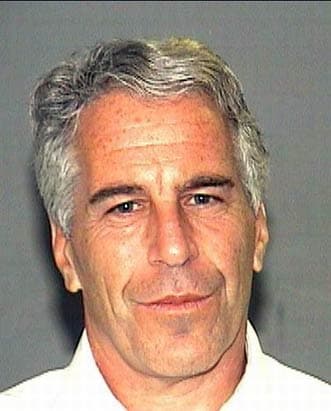






10
Shared Docs
10
Same-Page
10 / 10
Mentions
Document Mentions (10 shared documents)
2 mentions1 same-page
Page ?Same page
62 United States v. Jimenez, 824 F. Supp. 351 (S.D.N.Y. 1993) 240, 268 United States v. Johns, 15 F.3d 740 (8th Cir. 1994) 37 United States v. Johnson, 21 F. Supp. 2d 329 (S.D.N.Y. 1998) 294 United States v. Jones, 482 F.3d 60 (2d Cir. 2006) 259 United States v. Joseph berg, 459 F.3d 350 (2d
nzburg v. Hayes, 408 U.S. 665 (1972) 110 Bridges v. United States, 346 U.S. 209 (1953) 53 Bronston v. United States, 409 U.S. 352 (1973) 181 Bryson v. United States, 396 U.S. 64 (1969) 147 Burgess v. United States, 552 U.S. 124 (2008) 51 Caplin & Drysdale, Chartered v. United States, 491 U.S. 617 (1989) 1
2 mentions1 same-page
Page ?Same page
except in the most extraordinary circumstances." Forde, 740 F.Supp.2d at 412 (citing Gaudin, 515 U.S. at 522-23). As the Supreme Court explained in Johnson v. United States, 520 U.S. 461 (1997), "there is no doubt that materiality is an element of perjury under § 1623," and its precedent "therefore dict
Government could, on pain of criminal sanctions, compel an answer to its incriminating questions, a citizen is not at liberty to answer falsely."); Bryson v. United States, 396 U.S. 64, 72, 90 (1969) (rejecting challenge to false statement prosecution; "[l]t cannot be thought that as a general principle of our law a ci
2 mentions1 same-page
Page ?Same page
2014) 140 Int'l Equity !nvs., Inc. v. Opportunity Equity Partners Ltd., No. 05 Civ. 2745 (JGK) (RLE), 2010 WL 779314 (S.D.N.Y. Mar. 2, 2010) 111 Johnson v. United States, 520 U.S. 461 (1997) 200 Kungys v. United States, 485 U.S. 759 (1988) 222 Landgraf v. USI Film Products, 511 U.S. 244 (1994)
nzburg v. Hayes, 408 U.S. 665 (1972) 110 Bridges v. United States, 346 U.S. 209 (1953) 53 Bronston v. United States, 409 U.S. 352 (1973) 181 Bryson v. United States, 396 U.S. 64 (1969) 147 Burgess v. United States, 552 U.S. 124 (2008) 51 Caplin & Drysdale, Chartered v. United States, 491 U.S. 617 (1989) 1
Sponsored
2 mentions1 same-page
Page ?Same page
except in the most extraordinary circumstances." Forde, 740 F.Supp.2d at 412 (citing Gaudin, 515 U.S. at 522-23). As the Supreme Court explained in Johnson v. United States, 520 U.S. 461 (1997), "there is no doubt that materiality is an element of perjury under § 1623," and its precedent "therefore dict
Government could, on pain of criminal sanctions, compel an answer to its incriminating questions, a citizen is not at liberty to answer falsely."); Bryson v. United States, 396 U.S. 64, 72, 90 (1969) (rejecting challenge to false statement prosecution; "[I]t cannot be thought that as a general principle of our law a ci
2 mentions1 same-page
Page ?Same page
2014) 140 Int'l Equity !nvs., Inc. v. Opportunity Equity Partners Ltd., No. 05 Civ. 2745 (JGK) (RLE), 2010 WL 779314 (S.D.N.Y. Mar. 2, 2010) 111 Johnson v. United States, 520 U.S. 461 (1997) 200 Kungys v. United States, 485 U.S. 759 (1988) 222 Landgraf v. USI Film Products, 511 U.S. 244 (1994)
nzburg v. Hayes, 408 U.S. 665 (1972) 110 Bridges v. United States, 346 U.S. 209 (1953) 53 Bronston v. United States, 409 U.S. 352 (1973) 181 Bryson v. United States, 396 U.S. 64 (1969) 147 Burgess v. United States, 552 U.S. 124 (2008) 51 Caplin & Drysdale, Chartered v. United States, 491 U.S. 617 (1989) 1
2 mentions1 same-page
Page ?Same page
except in the most extraordinary circumstances." Forde, 740 F.Supp.2d at 412 (citing Gaudin, 515 U.S. at 522-23). As the Supreme Court explained in Johnson v. United States, 520 U.S. 461 (1997), "there is no doubt that materiality is an element of perjury under § 1623," and its precedent "therefore dict
Government could, on pain of criminal sanctions, compel an answer to its incriminating questions, a citizen is not at liberty to answer falsely."); Bryson v. United States, 396 U.S. 64, 72, 90 (1969) (rejecting challenge to false statement prosecution; "[I]t cannot be thought that as a general principle of our law a ci
Sponsored
2 mentions1 same-page
Page ?Same page
. 2013) 98 Int'l Equity Invs., Inc. v. Opportunity Equity Partners Ltd., No. 05 Civ. 2745 (JGK) (RLE), 2010 WL 779314 (S.D.N.Y. Mar. 2, 2010) 79 Johnson v. United States, 520 U.S. 461 (1997) 135 vi EFTA00095073 Kungys v. United States, 485 U.S. 759 (1988) Landgraf v. US! Film Products, 148 5
anzburg v. Hayes, 408 U.S. 665 (1972) 78 Bridges v. United States, 346 U.S. 209 (1953) 38 Bronston v. United States, 409 U.S. 352 (1973) 121 Bryson v. United States, 396 U.S. 64 (1969) 101 Burgess v. United States, 552 U.S. 124 (2008) 37 Caplin & Drysdale, Chartered v. United States, 491 U.S. 617 (1989) 1
2 mentions1 same-page
Page ?Same page
except in the most extraordinary circumstances." Forde, 740 F.Supp.2d at 412 (citing Gaudin, 515 U.S. at 522-23). As the Supreme Court explained in Johnson v. United States, 520 U.S. 461 (1997), "there is no doubt that materiality is an element of perjury under § 1623," and its precedent "therefore dict
Government could, on pain of criminal sanctions, compel an answer to its incriminating questions, a citizen is not at liberty to answer falsely."); Bryson v. United States, 396 U.S. 64, 72, 90 (1969) (rejecting challenge to false statement prosecution; "[I]t cannot be thought that as a general principle of our law a ci
2 mentions1 same-page
Page ?Same page
014) 140 Intl Equity !nvs., Inc. v. Opportunity Equity Partners Ltd., No. 05 Civ. 2745 (JGK) (RLE), 2010 WL 779314 (S.D.N.Y. Mar. 2, 2010) 111 Johnson v. United States, 520 U.S. 461 (1997) 200 Kungys v. United States, 485 U.S. 759 (1988) 222 Landgraf v. USI Film Products, 511 U.S. 244 (1994)
nzburg v. Hayes, 408 U.S. 665 (1972) 110 Bridges v. United States, 346 U.S. 209 (1953) 53 Bronston v. United States, 409 U.S. 352 (1973) 181 Bryson v. United States, 396 U.S. 64 (1969) 147 Burgess v. United States, 552 U.S. 124 (2008) 51 Caplin & Drysdale, Chartered v. United States, 491 U.S. 617 (1989) 1
Sponsored
2 mentions1 same-page
Page ?Same page
except in the most extraordinary circumstances." Forde, 740 F.Supp.2d at 412 (citing Gaudin, 515 U.S. at 522-23). As the Supreme Court explained in Johnson v. United States, 520 U.S. 461 (1997), "there is no doubt that materiality is an element of perjury under § 1623," and its precedent "therefore dict
Government could, on pain of criminal sanctions, compel an answer to its incriminating questions, a citizen is not at liberty to answer falsely."); Bryson v. United States, 396 U.S. 64, 72, 90 (1969) (rejecting challenge to false statement prosecution; "[I]t cannot be thought that as a general principle of our law a ci
Sponsored
Mutual Connections (492)
Entities connected to both Scarlett Johansson and Bryson v. United States
Jeffrey Epstein
PERSON1,425 w/ Scarlett·10 w/ Bryson
JD
Jane Doe
PERSON828 w/ Scarlett·8 w/ Bryson
Bradley Edwards
PERSON628 w/ Scarlett·10 w/ Bryson
United States
LOCATION525 w/ Scarlett·10 w/ Bryson
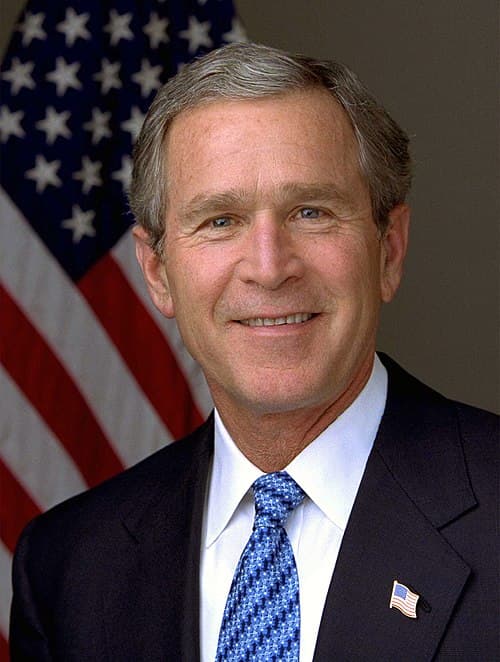
George W. Bush
PERSON487 w/ Scarlett·5 w/ Bryson
MF
Maria Farmer
PERSON388 w/ Scarlett·9 w/ Bryson
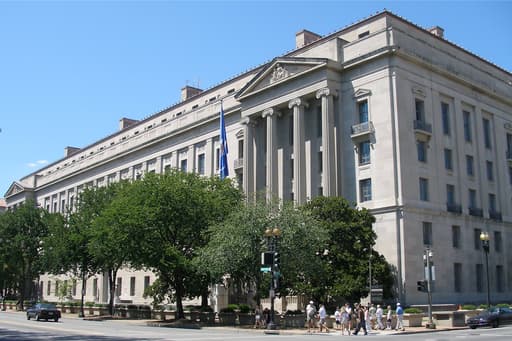
Department of Justice
ORGANIZATION380 w/ Scarlett·5 w/ Bryson
Prince Andrew
PERSON353 w/ Scarlett·5 w/ Bryson
the Southern District
LOCATION340 w/ Scarlett·10 w/ Bryson
Julie K. Brown
PERSON317 w/ Scarlett·10 w/ Bryson
Ghislaine Maxwell
PERSON310 w/ Scarlett·10 w/ Bryson
FBI
ORGANIZATION291 w/ Scarlett·5 w/ Bryson
Virginia Giuffre
PERSON266 w/ Scarlett·6 w/ Bryson
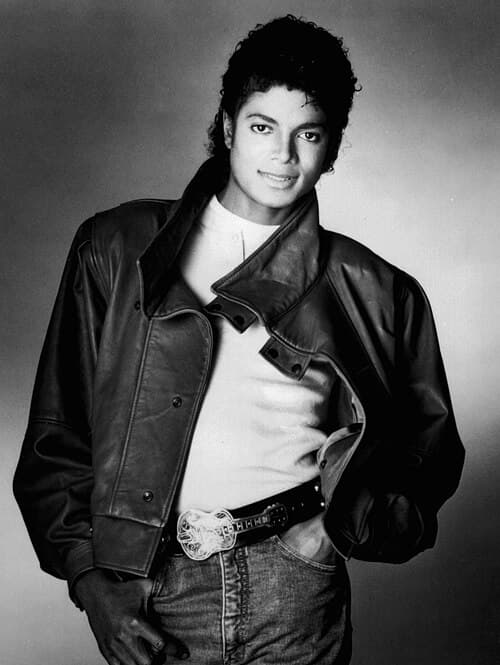
Michael Jackson
PERSON231 w/ Scarlett·10 w/ Bryson
ET
Emmy Taylor
PERSON234 w/ Scarlett·5 w/ Bryson
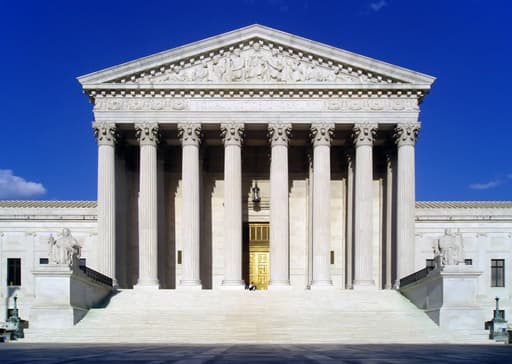
Supreme Court
ORGANIZATION211 w/ Scarlett·10 w/ Bryson
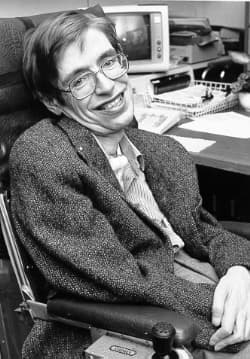
Stephen Hawking
PERSON210 w/ Scarlett·5 w/ Bryson
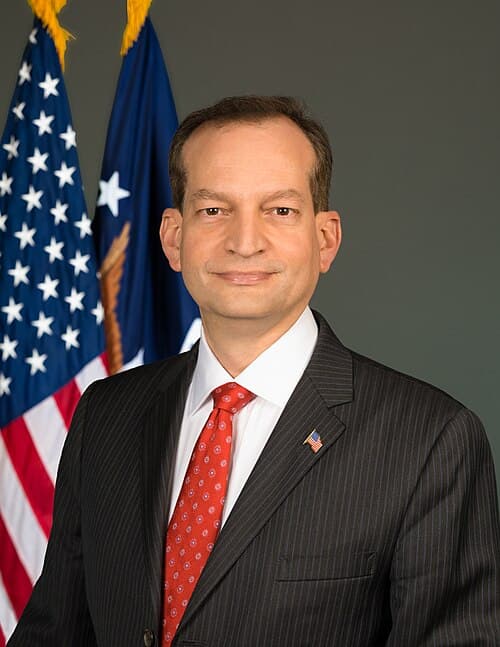
Alexander Acosta
PERSON205 w/ Scarlett·5 w/ Bryson
MW
Martin Weinberg
PERSON190 w/ Scarlett·10 w/ Bryson
George Mitchell
PERSON188 w/ Scarlett·10 w/ Bryson