Back to Network




10
Shared Docs
10
Same-Page
10 / 10
Mentions
Document Mentions (10 shared documents)
2 mentions1 same-page
Page ?Same page
1997) 300 United States v. Raymonda, 780 F.3d 105 (2d Cir. 2015) 124 United States v. Reeves, et al., 16 Cr. 372 (VEC) 286 United States v. Remington, 208 F.2d 567 (2d Cir. 1953) 146 United States v. Resendiz-Ponce, 549 U.S. 102 (2007) 227, 235 United States v. Ricco, 549 F.2d 264 (2d Cir.
nzburg v. Hayes, 408 U.S. 665 (1972) 110 Bridges v. United States, 346 U.S. 209 (1953) 53 Bronston v. United States, 409 U.S. 352 (1973) 181 Bryson v. United States, 396 U.S. 64 (1969) 147 Burgess v. United States, 552 U.S. 124 (2008) 51 Caplin & Drysdale, Chartered v. United States, 491 U.S. 617 (1989) 1
2 mentions1 same-page
Page ?Same page
till be used to prosecute that defendant for perjury." United States v. Olivieri, 740 F. Supp. 2d 423, 425 (S.D.N.Y. 2010) (citing United States v. Remington, 208 F.2d 567 (2d Cir. 1953); United States v. Winter, 348 F.2d 204 (2d Cir. 1965)); see also United States v. Wong, 431 U.S. 174, 180 (1977) ("[P]e
Government could, on pain of criminal sanctions, compel an answer to its incriminating questions, a citizen is not at liberty to answer falsely."); Bryson v. United States, 396 U.S. 64, 72, 90 (1969) (rejecting challenge to false statement prosecution; "[l]t cannot be thought that as a general principle of our law a ci
2 mentions1 same-page
Page ?Same page
. 1997) 300 United States v. Raymonda, 780 F.3d 105 (2d Cir. 2015) 124 United States v. Reeves, et al., 16 Cr. 372 (VEC) 286 United States v. Remington, 208 F.2d 567 (2d Cir. 1953) 146 United States v. Resendiz-Ponce, 549 U.S. 102 (2007) 227, 235 United States v. Ricco, 549 F.2d 264 (2d Cir. 1
nzburg v. Hayes, 408 U.S. 665 (1972) 110 Bridges v. United States, 346 U.S. 209 (1953) 53 Bronston v. United States, 409 U.S. 352 (1973) 181 Bryson v. United States, 396 U.S. 64 (1969) 147 Burgess v. United States, 552 U.S. 124 (2008) 51 Caplin & Drysdale, Chartered v. United States, 491 U.S. 617 (1989) 1
Sponsored
2 mentions1 same-page
Page ?Same page
till be used to prosecute that defendant for perjury." United States v. Olivieri, 740 F. Supp. 2d 423, 425 (S.D.N.Y. 2010) (citing United States v. Remington, 208 F.2d 567 (2d Cir. 1953); United States v. Winter, 348 F.2d 204 (2d Cir. 1965)); see also United States v. Wong, 431 U.S. 174, 180 (1977) ("[P]e
Government could, on pain of criminal sanctions, compel an answer to its incriminating questions, a citizen is not at liberty to answer falsely."); Bryson v. United States, 396 U.S. 64, 72, 90 (1969) (rejecting challenge to false statement prosecution; "[I]t cannot be thought that as a general principle of our law a ci
2 mentions1 same-page
Page ?Same page
. 1997) 300 United States v. Raymonda, 780 F.3d 105 (2d Cir. 2015) 124 United States v. Reeves, et al., 16 Cr. 372 (VEC) 286 United States v. Remington, 208 F.2d 567 (2d Cir. 1953) 146 United States v. Resendiz-Ponce, 549 U.S. 102 (2007) 227, 235 United States v. Ricco, 549 F.2d 264 (2d Cir. 1
nzburg v. Hayes, 408 U.S. 665 (1972) 110 Bridges v. United States, 346 U.S. 209 (1953) 53 Bronston v. United States, 409 U.S. 352 (1973) 181 Bryson v. United States, 396 U.S. 64 (1969) 147 Burgess v. United States, 552 U.S. 124 (2008) 51 Caplin & Drysdale, Chartered v. United States, 491 U.S. 617 (1989) 1
2 mentions1 same-page
Page ?Same page
till be used to prosecute that defendant for perjury." United States v. Olivieri, 740 F. Supp. 2d 423, 425 (S.D.N.Y. 2010) (citing United States v. Remington, 208 F.2d 567 (2d Cir. 1953); United States v. Winter, 348 F.2d 204 (2d Cir. 1965)); see also United States v. Wong, 431 U.S. 174, 180 (1977) ("[P]e
Government could, on pain of criminal sanctions, compel an answer to its incriminating questions, a citizen is not at liberty to answer falsely."); Bryson v. United States, 396 U.S. 64, 72, 90 (1969) (rejecting challenge to false statement prosecution; "[I]t cannot be thought that as a general principle of our law a ci
Sponsored
2 mentions1 same-page
Page ?Same page
010) 116 United States v. Ramnath, 131 F.3d 132 (2d Cir. 1997) 208 United States v. Raymonda, 780 F.3d 105 (2d Cir. 2015) 87 United States v. Remington, 208 F.2d 567 (2d Cir. 1953) 101 United States v. Resendiz-Ponce, 549 U.S. 102 (2007) 150, 155 xviii EFTA00095085 United States v. Ricco, 5
anzburg v. Hayes, 408 U.S. 665 (1972) 78 Bridges v. United States, 346 U.S. 209 (1953) 38 Bronston v. United States, 409 U.S. 352 (1973) 121 Bryson v. United States, 396 U.S. 64 (1969) 101 Burgess v. United States, 552 U.S. 124 (2008) 37 Caplin & Drysdale, Chartered v. United States, 491 U.S. 617 (1989) 1
2 mentions1 same-page
Page ?Same page
till be used to prosecute that defendant for perjury." United States v. Olivieri, 740 F. Supp. 2d 423, 425 (S.D.N.Y. 2010) (citing United States v. Remington, 208 F.2d 567 (2d Cir. 1953); United States v. Winter, 348 F.2d 204 (2d Cir. 1965)); see also United States v. Wong, 431 U.S. 174, 180 (1977) ("[P]e
Government could, on pain of criminal sanctions, compel an answer to its incriminating questions, a citizen is not at liberty to answer falsely."); Bryson v. United States, 396 U.S. 64, 72, 90 (1969) (rejecting challenge to false statement prosecution; "[I]t cannot be thought that as a general principle of our law a ci
2 mentions1 same-page
Page ?Same page
1997) 300 United States v. Raymonda, 780 F.3d 105 (2d Cir. 2015) 124 United States v. Reeves, et al., 16 Cr. 372 (VEC) 286 United States v. Remington, 208 F.2d 567 (2d Cir. 1953) 146 United States v. Resendiz-Ponce, 549 U.S. 102 (2007) 227, 235 United States v. Ricco, 549 F.2d 264 (2d Cir.
nzburg v. Hayes, 408 U.S. 665 (1972) 110 Bridges v. United States, 346 U.S. 209 (1953) 53 Bronston v. United States, 409 U.S. 352 (1973) 181 Bryson v. United States, 396 U.S. 64 (1969) 147 Burgess v. United States, 552 U.S. 124 (2008) 51 Caplin & Drysdale, Chartered v. United States, 491 U.S. 617 (1989) 1
Sponsored
2 mentions1 same-page
Page ?Same page
till be used to prosecute that defendant for perjury." United States v. Olivieri, 740 F. Supp. 2d 423, 425 (S.D.N.Y. 2010) (citing United States v. Remington, 208 F.2d 567 (2d Cir. 1953); United States v. Winter, 348 F.2d 204 (2d Cir. 1965)); see also United States v. Wong, 431 U.S. 174, 180 (1977) ("[P]e
Government could, on pain of criminal sanctions, compel an answer to its incriminating questions, a citizen is not at liberty to answer falsely."); Bryson v. United States, 396 U.S. 64, 72, 90 (1969) (rejecting challenge to false statement prosecution; "[I]t cannot be thought that as a general principle of our law a ci
Sponsored
Mutual Connections (492)
Entities connected to both Remington and Bryson v. United States
Jeffrey Epstein
PERSON25 w/ Remington·10 w/ Bryson
Julie K. Brown
PERSON14 w/ Remington·10 w/ Bryson
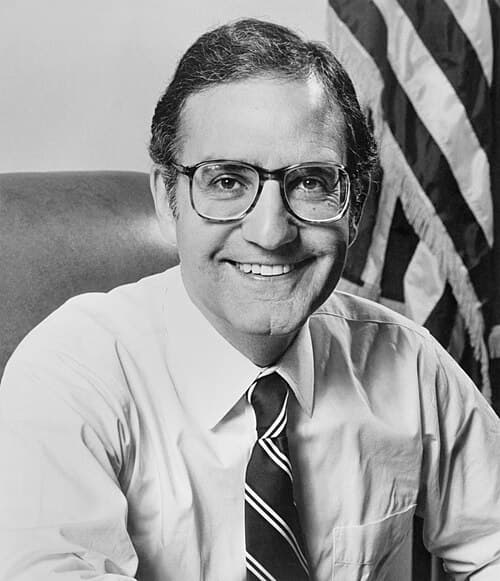
George Mitchell
PERSON13 w/ Remington·10 w/ Bryson
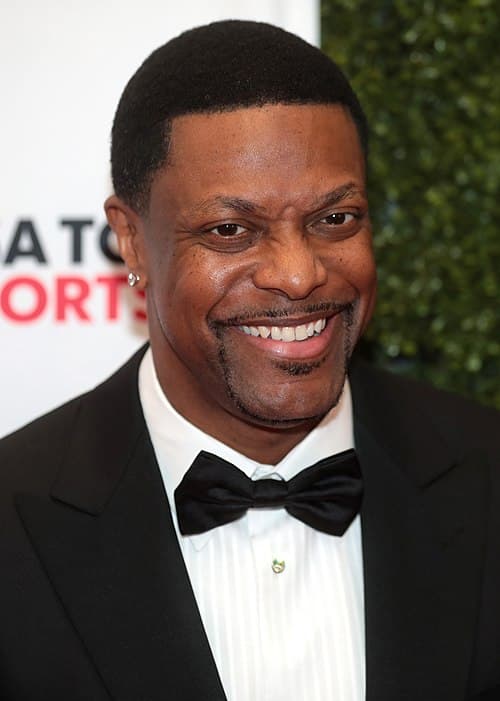
Chris Tucker
PERSON13 w/ Remington·10 w/ Bryson
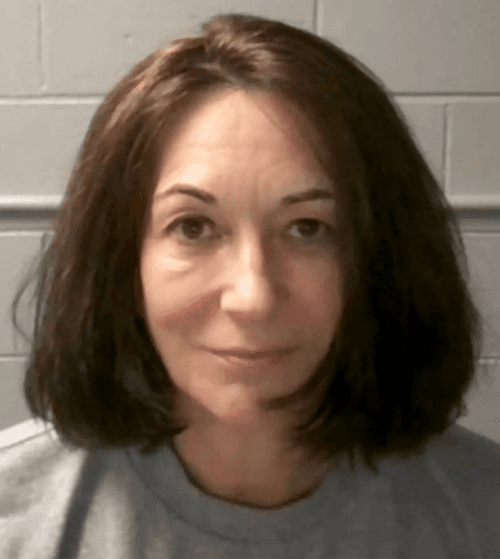
Ghislaine Maxwell
PERSON13 w/ Remington·10 w/ Bryson
Colorado
LOCATION13 w/ Remington·10 w/ Bryson
Scarlett Johansson
PERSON12 w/ Remington·10 w/ Bryson
Michael Jackson
PERSON12 w/ Remington·10 w/ Bryson
WA
Walsh
PERSON12 w/ Remington·10 w/ Bryson
Anderson
PERSON12 w/ Remington·10 w/ Bryson
TH
Thompson
PERSON12 w/ Remington·10 w/ Bryson
the Southern District
LOCATION11 w/ Remington·10 w/ Bryson
ST
Strohm
PERSON11 w/ Remington·10 w/ Bryson
Bradley Edwards
PERSON11 w/ Remington·10 w/ Bryson
Bill Richardson
PERSON11 w/ Remington·10 w/ Bryson
Valentine
PERSON11 w/ Remington·10 w/ Bryson
Carpenter
PERSON11 w/ Remington·10 w/ Bryson
MY
Myers
PERSON11 w/ Remington·10 w/ Bryson
United States
LOCATION11 w/ Remington·10 w/ Bryson
Figueroa
PERSON11 w/ Remington·10 w/ Bryson