Back to Network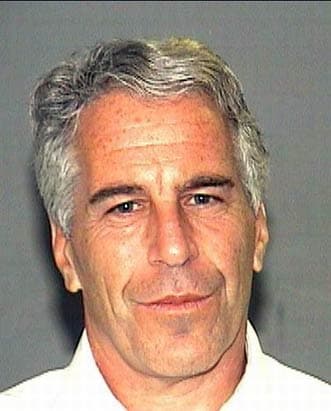







5
Shared Docs
5
Same-Page
5 / 5
Mentions
Document Mentions (5 shared documents)
2 mentions1 same-page
Page ?Same page
till be used to prosecute that defendant for perjury." United States v. Olivieri, 740 F. Supp. 2d 423, 425 (S.D.N.Y. 2010) (citing United States v. Remington, 208 F.2d 567 (2d Cir. 1953); United States v. Winter, 348 F.2d 204 (2d Cir. 1965)); see also United States v. Wong, 431 U.S. 174, 180 (1977) ("[P]e
rguments only underscore the principle that perjury prosecutions are an inquiry into "the natural meaning in the context in which words were used," Bonacorsa, 528 F.2d at 1221, and not an opportunity for defense counsel to "plumb[] a question forpost hoc ambiguity,"Strohm, 671 F.3d at 1178. A reasonable j
2 mentions1 same-page
Page ?Same page
till be used to prosecute that defendant for perjury." United States v. Olivieri, 740 F. Supp. 2d 423, 425 (S.D.N.Y. 2010) (citing United States v. Remington, 208 F.2d 567 (2d Cir. 1953); United States v. Winter, 348 F.2d 204 (2d Cir. 1965)); see also United States v. Wong, 431 U.S. 174, 180 (1977) ("[P]e
rguments only underscore the principle that perjury prosecutions are an inquiry into "the natural meaning in the context in which words were used," Bonacorsa, 528 F.2d at 1221, and not an opportunity for defense counsel to "plumb[] a question for post hoc ambiguity," Strohm, 671 F.3d at 1178. A reasonable
2 mentions1 same-page
Page ?Same page
till be used to prosecute that defendant for perjury." United States v. Olivieri, 740 F. Supp. 2d 423, 425 (S.D.N.Y. 2010) (citing United States v. Remington, 208 F.2d 567 (2d Cir. 1953); United States v. Winter, 348 F.2d 204 (2d Cir. 1965)); see also United States v. Wong, 431 U.S. 174, 180 (1977) ("[P]e
rguments only underscore the principle that perjury prosecutions are an inquiry into "the natural meaning in the context in which words were used," Bonacorsa, 528 F.2d at 1221, and not an opportunity for defense counsel to "plumb[] a question for post hoc ambiguity," Strohm, 671 F.3d at 1178. A reasonable
Sponsored
2 mentions1 same-page
Page ?Same page
till be used to prosecute that defendant for perjury." United States v. Olivieri, 740 F. Supp. 2d 423, 425 (S.D.N.Y. 2010) (citing United States v. Remington, 208 F.2d 567 (2d Cir. 1953); United States v. Winter, 348 F.2d 204 (2d Cir. 1965)); see also United States v. Wong, 431 U.S. 174, 180 (1977) ("[P]e
rguments only underscore the principle that perjury prosecutions are an inquiry into "the natural meaning in the context in which words were used," Bonacorsa, 528 F.2d at 1221, and not an opportunity for defense counsel to "plumb[] a question for post hoc ambiguity," Strohm, 671 F.3d at 1178. A reasonable
2 mentions1 same-page
Page ?Same page
till be used to prosecute that defendant for perjury." United States v. Olivieri, 740 F. Supp. 2d 423, 425 (S.D.N.Y. 2010) (citing United States v. Remington, 208 F.2d 567 (2d Cir. 1953); United States v. Winter, 348 F.2d 204 (2d Cir. 1965)); see also United States v. Wong, 431 U.S. 174, 180 (1977) ("[P]e
rguments only underscore the principle that perjury prosecutions are an inquiry into "the natural meaning in the context in which words were used," Bonacorsa, 528 F.2d at 1221, and not an opportunity for defense counsel to "plumb[] a question for post hoc ambiguity," Strohm, 671 F.3d at 1178. A reasonable
Sponsored
Mutual Connections (259)
Entities connected to both Remington and Bonacorsa
Jeffrey Epstein
PERSON25 w/ Remington·6 w/ Bonacorsa
Julie K. Brown
PERSON14 w/ Remington·5 w/ Bonacorsa
Ghislaine Maxwell
PERSON13 w/ Remington·5 w/ Bonacorsa
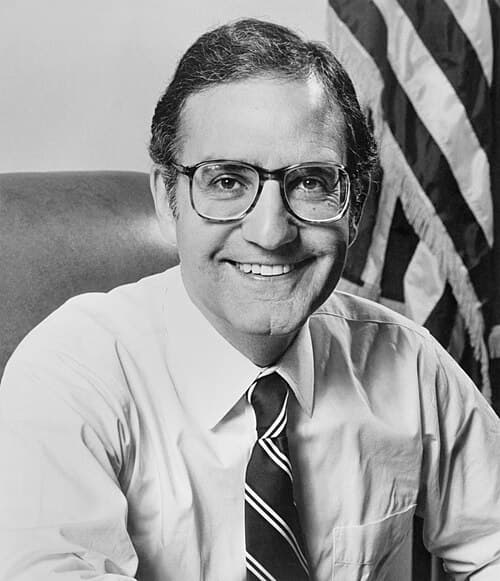
George Mitchell
PERSON13 w/ Remington·5 w/ Bonacorsa
Colorado
LOCATION13 w/ Remington·5 w/ Bonacorsa
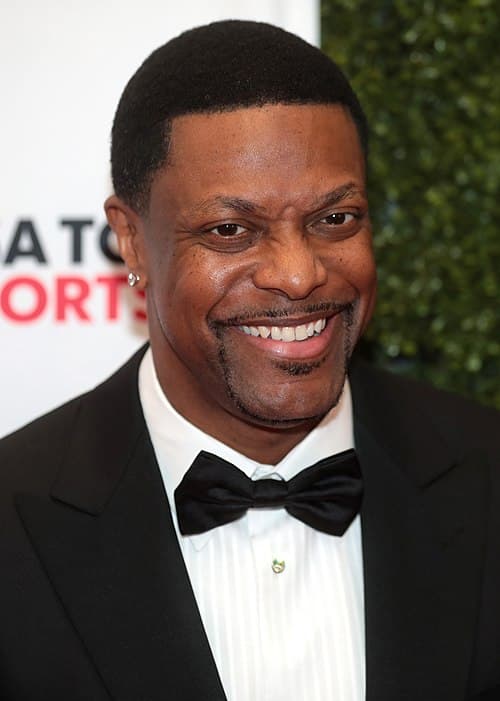
Chris Tucker
PERSON13 w/ Remington·5 w/ Bonacorsa
Michael Jackson
PERSON12 w/ Remington·5 w/ Bonacorsa
Scarlett Johansson
PERSON12 w/ Remington·5 w/ Bonacorsa
TH
Thompson
PERSON12 w/ Remington·5 w/ Bonacorsa
WA
Walsh
PERSON12 w/ Remington·5 w/ Bonacorsa
Anderson
PERSON12 w/ Remington·5 w/ Bonacorsa
Valentine
PERSON11 w/ Remington·5 w/ Bonacorsa
Martinez
PERSON11 w/ Remington·5 w/ Bonacorsa
Bradley Edwards
PERSON11 w/ Remington·5 w/ Bonacorsa
Bill Richardson
PERSON11 w/ Remington·5 w/ Bonacorsa
Figueroa
PERSON11 w/ Remington·5 w/ Bonacorsa
United States
LOCATION11 w/ Remington·5 w/ Bonacorsa
MA
Markiewicz
PERSON10 w/ Remington·6 w/ Bonacorsa
North Carolina
LOCATION11 w/ Remington·5 w/ Bonacorsa
MY
Myers
PERSON11 w/ Remington·5 w/ Bonacorsa