Back to Network





5
Shared Docs
5
Same-Page
5 / 5
Mentions
Document Mentions (5 shared documents)
2 mentions1 same-page
Page EFTA00024198Same page
ina, D. (2016). The disclosure experiences of male child sexual abuse survivors. Journal of Child Sexual Abuse, 25, 221 241. Goodman Brown, T. B., Edelstein, R. S., Goodman, G. S., Jones, D., & Gordon, D. S. (2003). Why children tell: A model of children's disclosure of sexual abuse. Child Abuse & Negle
Page: EFTA00024198 →R., ... Goel, S. (2015). Ontario Incidence Study of Reported Child Abuse and Neglect 2013 (OIS 2013). Toronto, ON: Child Welfare Research Portal. Finkelhor, D., Shattuck, A., Turner, FL A., & Ilamby, S. L. (2014). Trends in children's exposure to violence, 2003 to 2011. JAMA Pediatrics, 168, 540 546. d
Page: EFTA00024198 →2 mentions1 same-page
Page ?Same page
rates of delayed disclosures (Collin-Vezina, Sablonni, Palmer, & Milne, 2015; Crisma, Bascelli, Paci, & Romito, 2004; Easton, 2013; Goodman-Brown, Edelstein, Goodman, Jones, & Gordon, 2003; Hershkowitz, Lanes, & Lamb; 2007; Jonzon & Lindblad, 2004; McElvancy, 2015; Smith et al.. 2000). Incidence studi
d, 2004; McElvancy, 2015; Smith et al.. 2000). Incidence studies in the United States and Canada report decreasing CSA rates (Fallon et al., 2015; Finkelhor, Shattuck, Turner, & Hamby, 2014; Trocme et al., 2005, 2008), while at the same time global trends from systematic reviews and meta- analyses have
2 mentions1 same-page
Page ?Same page
J. (1996). Betrayal trauma: The logic of forgetting childhood abuse. Cambridge. MA: Harvard University Press. Goodman. GS.. Chetti. S.. Quas. J.A., Edelstein. R.S.. Alexander. K.W. Redlich. A.D.. Cordon. I.M.. & Jones. D.P.H. (2003). A prospective study of memory for child sexual abuse: New Endings rele
he event and memory interview should engender better memory. Further- more, compared with females, males may be less likely to dis- close CSA (e.g., Finkelhor, Hotaling, Lewis, & Smith, 1990; Widom & Morris, 1997; but see Goodman et al., 2003) and may have less detailed autobiographical memories about emo
Sponsored
2 mentions1 same-page
Page ?Same page
are later mom accurate and complete in their memory of the emotional or dis- tressing events than avoidant or insecure children (Chat et al., 201a Edelstein et al.. 2005). Parents' attachment orientations also have implications for children's memories of stressful expe- riences. Children of more secure p
ncerns disentangling the effects of victimization. The common occurrence of polyvictimization (i.e., experiencing many forms of child maltreatment; Finkelhor, Shat- tuck. 'Punier, Onnmd, & Hamby, 2011) and the risk that victims of maltreatment will be revictimized (e.g., West, Williams, & Siegel. anno) m
2 mentions1 same-page
Page ?Same page
rates of delayed disclosures (Collin-VEzina, Sablonni, Palmer, & Milne, 2015; Crisma, Bascelli, Paci, & Romito, 2004; Easton, 2013; Goodman-Brown, Edelstein, Goodman, Jones, & Gordon, 2003; Hershkowitz, Lanes, & Lamb; 2007; Jonzon & Lindblad, 2004; McElvaney, 2015; Smith et al., 2000). Incidence studi
d, 2004; McElvaney, 2015; Smith et al., 2000). Incidence studies in the United States and Canada report decreasing CSA rates (Fallon et al., 2015; Finkelhor, Shattuck, Turner, & Hamby, 2014; Trocme et al., 2005, 2008), while at the same time global trends from systematic reviews and meta- analyses have
Sponsored
Mutual Connections (366)
Entities connected to both Edelstein and Finkelhor
George W. Bush
PERSON10 w/ Edelstein·9 w/ Finkelhor
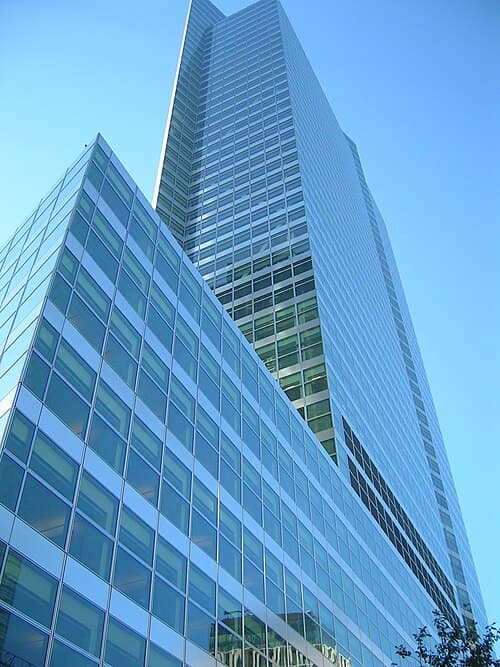
Goldman Sachs
ORGANIZATION8 w/ Edelstein·7 w/ Finkelhor
BR
Bruck
PERSON6 w/ Edelstein·5 w/ Finkelhor
EL
Elliott
PERSON3 w/ Edelstein·7 w/ Finkelhor
Routledge
ORGANIZATION4 w/ Edelstein·6 w/ Finkelhor
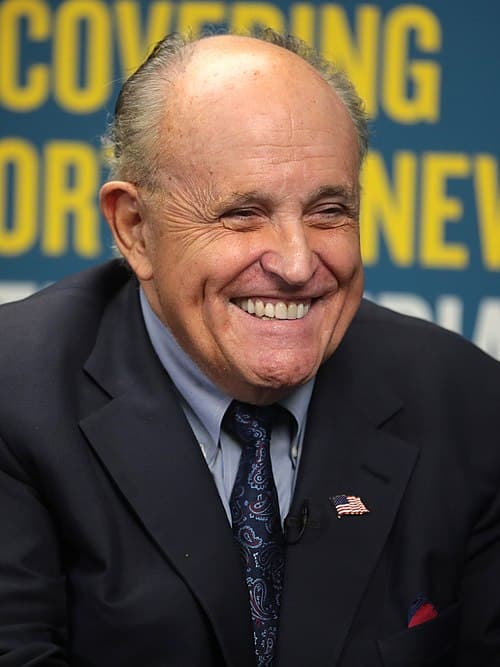
Rudy Giuliani
PERSON5 w/ Edelstein·4 w/ Finkelhor
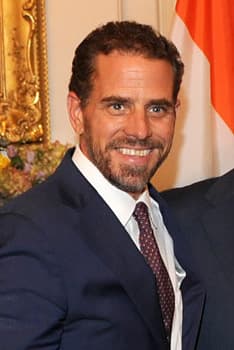
Hunter Biden
PERSON4 w/ Edelstein·5 w/ Finkelhor
Los Angeles
LOCATION5 w/ Edelstein·4 w/ Finkelhor
GS
G. S.
PERSON5 w/ Edelstein·4 w/ Finkelhor
Toronto
LOCATION5 w/ Edelstein·3 w/ Finkelhor
John Wiley
ORGANIZATION3 w/ Edelstein·5 w/ Finkelhor
Julie K. Brown
PERSON5 w/ Edelstein·3 w/ Finkelhor
Montreal
LOCATION5 w/ Edelstein·3 w/ Finkelhor
S. D.
PERSON4 w/ Edelstein·4 w/ Finkelhor
LE
Leclerc
PERSON3 w/ Edelstein·5 w/ Finkelhor
DH
D. P. H.
PERSON4 w/ Edelstein·4 w/ Finkelhor
SH
Shattuck
PERSON4 w/ Edelstein·4 w/ Finkelhor
HA
Hansen
PERSON5 w/ Edelstein·3 w/ Finkelhor
James Baker
PERSON4 w/ Edelstein·3 w/ Finkelhor
LE
Leventhal
PERSON4 w/ Edelstein·3 w/ Finkelhor