Back to Network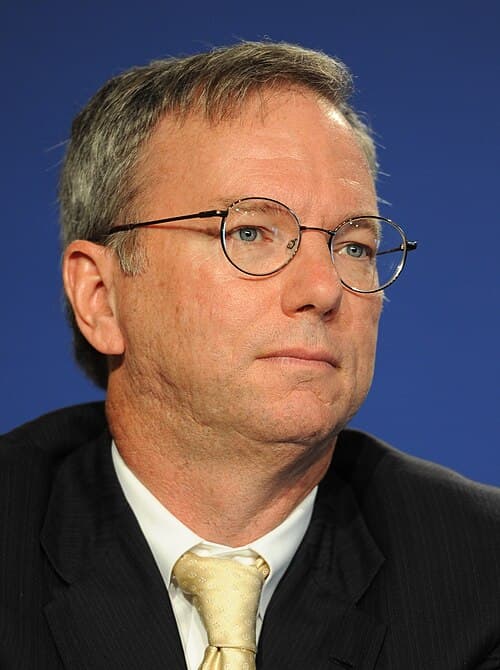

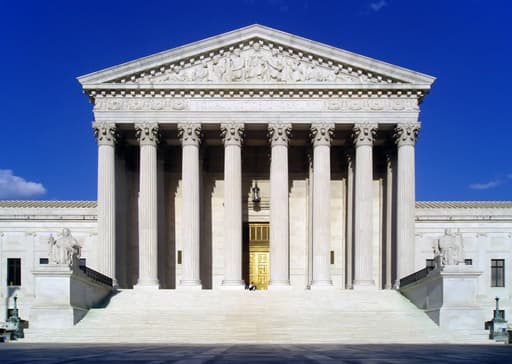

8
Shared Docs
8
Same-Page
8 / 8
Mentions
Document Mentions (8 shared documents)
2 mentions1 same-page
Page ?Same page
409 U.S. 352 (1973) 181 Bryson v. United States, 396 U.S. 64 (1969) 147 Burgess v. United States, 552 U.S. 124 (2008) 51 Caplin & Drysdale, Chartered v. United States, 491 U.S. 617 (1989) 159 Carpenter v. United States, 138 S. Ct. 2206 passim Chambers v. Mississippi, 410 U.S. 284 (1973) 15
nzburg v. Hayes, 408 U.S. 665 (1972) 110 Bridges v. United States, 346 U.S. 209 (1953) 53 Bronston v. United States, 409 U.S. 352 (1973) 181 Bryson v. United States, 396 U.S. 64 (1969) 147 Burgess v. United States, 552 U.S. 124 (2008) 51 Caplin & Drysdale, Chartered v. United States, 491 U.S. 617 (1989) 1
2 mentions1 same-page
Page ?Same page
409 U.S. 352 (1973) 181 Bryson v. United States, 396 U.S. 64 (1969) 147 Burgess v. United States, 552 U.S. 124 (2008) 51 Caplin & Drysdale, Chartered v. United States, 491 U.S. 617 (1989) 159 Carpenter v. United States, 138 S. Ct. 2206 passim Chambers v. Mississippi, 410 U.S. 284 (1973) 159
nzburg v. Hayes, 408 U.S. 665 (1972) 110 Bridges v. United States, 346 U.S. 209 (1953) 53 Bronston v. United States, 409 U.S. 352 (1973) 181 Bryson v. United States, 396 U.S. 64 (1969) 147 Burgess v. United States, 552 U.S. 124 (2008) 51 Caplin & Drysdale, Chartered v. United States, 491 U.S. 617 (1989) 1
2 mentions1 same-page
Page ?Same page
rocess Clauses . . it defines the basic elements of a fair trial largely through the several provisions of the Sixth Amendment." Cap/in & Drysdale, Chartered v. United States, 491 U.S. 617,633 (1989) (citations omitted). "The right of an accused in a criminal trial to due process is, in essence, the right
Government could, on pain of criminal sanctions, compel an answer to its incriminating questions, a citizen is not at liberty to answer falsely."); Bryson v. United States, 396 U.S. 64, 72, 90 (1969) (rejecting challenge to false statement prosecution; "[I]t cannot be thought that as a general principle of our law a ci
Sponsored
2 mentions1 same-page
Page ?Same page
409 U.S. 352 (1973) 181 Bryson v. United States, 396 U.S. 64 (1969) 147 Burgess v. United States, 552 U.S. 124 (2008) 51 Caplin & Drysdale, Chartered v. United States, 491 U.S. 617 (1989) 159 Carpenter v. United States, 138 S. Ct. 2206 passim Chambers v. Mississippi, 410 U.S. 284 (1973) 159
nzburg v. Hayes, 408 U.S. 665 (1972) 110 Bridges v. United States, 346 U.S. 209 (1953) 53 Bronston v. United States, 409 U.S. 352 (1973) 181 Bryson v. United States, 396 U.S. 64 (1969) 147 Burgess v. United States, 552 U.S. 124 (2008) 51 Caplin & Drysdale, Chartered v. United States, 491 U.S. 617 (1989) 1
2 mentions1 same-page
Page ?Same page
rocess Clauses . . it defines the basic elements of a fair trial largely through the several provisions of the Sixth Amendment." Cap/in & Drysdale, Chartered v. United States, 491 U.S. 617,633 (1989) (citations omitted). "The right of an accused in a criminal trial to due process is, in essence, the right
Government could, on pain of criminal sanctions, compel an answer to its incriminating questions, a citizen is not at liberty to answer falsely."); Bryson v. United States, 396 U.S. 64, 72, 90 (1969) (rejecting challenge to false statement prosecution; "[I]t cannot be thought that as a general principle of our law a ci
2 mentions1 same-page
Page ?Same page
409 U.S. 352 (1973) 121 Bryson v. United States, 396 U.S. 64 (1969) 101 Burgess v. United States, 552 U.S. 124 (2008) 37 Caplin & Drysdale, Chartered v. United States, 491 U.S. 617 (1989) 108 Carpenter v. United States, 138 S. Ct. 2206 82, 83, 84, 85 Chambers v. Mississippi, 410 U.S. 284 (19
anzburg v. Hayes, 408 U.S. 665 (1972) 78 Bridges v. United States, 346 U.S. 209 (1953) 38 Bronston v. United States, 409 U.S. 352 (1973) 121 Bryson v. United States, 396 U.S. 64 (1969) 101 Burgess v. United States, 552 U.S. 124 (2008) 37 Caplin & Drysdale, Chartered v. United States, 491 U.S. 617 (1989) 1
Sponsored
2 mentions1 same-page
Page ?Same page
409 U.S. 352 (1973) 181 Bryson v. United States, 396 U.S. 64 (1969) 147 Burgess v. United States, 552 U.S. 124 (2008) 51 Caplin & Drysdale, Chartered v. United States, 491 U.S. 617 (1989) 159 Carpenter v. United States, 138 S. Ct. 2206 passim Chambers v. Mississippi, 410 U.S. 284 (1973) 15
nzburg v. Hayes, 408 U.S. 665 (1972) 110 Bridges v. United States, 346 U.S. 209 (1953) 53 Bronston v. United States, 409 U.S. 352 (1973) 181 Bryson v. United States, 396 U.S. 64 (1969) 147 Burgess v. United States, 552 U.S. 124 (2008) 51 Caplin & Drysdale, Chartered v. United States, 491 U.S. 617 (1989) 1
2 mentions1 same-page
Page ?Same page
ess Clauses . . . it defines the basic elements of a fair trial largely through the several provisions of the Sixth Amendment."' Cap/in & Drysdale, Chartered v. United States, 491 U.S. 617,633 (1989) (citations omitted). "The right of an accused in a criminal trial to due process is, in essence, the right
Government could, on pain of criminal sanctions, compel an answer to its incriminating questions, a citizen is not at liberty to answer falsely."); Bryson v. United States, 396 U.S. 64, 72, 90 (1969) (rejecting challenge to false statement prosecution; "[I]t cannot be thought that as a general principle of our law a ci
Sponsored
Mutual Connections (488)
Entities connected to both Chartered and Bryson v. United States
Eric Schmidt
PERSON9 w/ Chartered·10 w/ Bryson
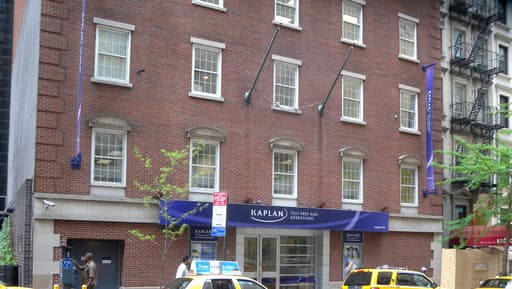
Kaplan
PERSON8 w/ Chartered·10 w/ Bryson
SD
Subpoena Duces
PERSON8 w/ Chartered·10 w/ Bryson
RO
Rochin
PERSON8 w/ Chartered·10 w/ Bryson
RA
R. App
PERSON8 w/ Chartered·10 w/ Bryson
Rivera
PERSON8 w/ Chartered·10 w/ Bryson
Mason
ORGANIZATION8 w/ Chartered·10 w/ Bryson
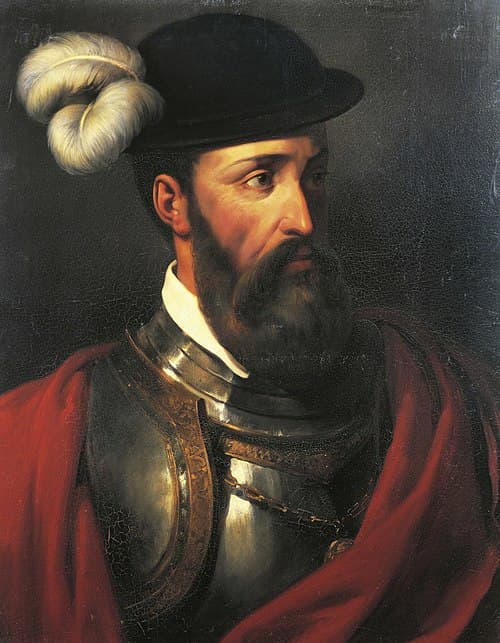
Pizarro
PERSON8 w/ Chartered·10 w/ Bryson
VI
Vilar
PERSON8 w/ Chartered·10 w/ Bryson
WE
Werner
PERSON8 w/ Chartered·10 w/ Bryson
CH
Chalmers
PERSON8 w/ Chartered·10 w/ Bryson
United States
LOCATION8 w/ Chartered·10 w/ Bryson
Corbett
PERSON8 w/ Chartered·10 w/ Bryson
Alberti
PERSON8 w/ Chartered·10 w/ Bryson
Jennings
PERSON8 w/ Chartered·10 w/ Bryson
ST
Strohm
PERSON8 w/ Chartered·10 w/ Bryson
Swanson
PERSON8 w/ Chartered·10 w/ Bryson
Supreme Court
ORGANIZATION8 w/ Chartered·10 w/ Bryson
Michael Jackson
PERSON8 w/ Chartered·10 w/ Bryson
Vickers
PERSON8 w/ Chartered·10 w/ Bryson