Back to Network
















3
Shared Docs
1
Same-Page
4 / 3
Mentions
Document Mentions (3 shared documents)
2 mentions1 same-page
Page ?Same page
upled. Although alternatives are growing rapidly, pip=lines and oceangoing tankers remain the primary method for delivering crud= to refineries. In the Eagle Ford, a larg= four-year-old South Texas oil field, production has grown to more than 50=,000 barrels a day, from less than 1,000 in 2009, according to st
uo=;we can't say (to train operators) you have to have oil-spill contingency =tans in order to operate," says Curt Hart, a spokesman for the state's Department of Ecology. "We do that for oil tankers, barges, l=rge commercial vessels and refineries." Home to five refineries, =he state levies a per-barrel tax on crude
Page HOUSE_OVERSIGHT_019417
rupled. Although alternatives are growing rapidly, pipelines and oceangoing tankers remain the primary method for delivering crude to refineries. In the Eagle Ford, a large four-year-old South Texas oil field, production has grown to more than 500,000 barrels a day, from less than 1,000 in 2009, according to sta
Page: HOUSE_OVERSIGHT_019417 →hillips 66 began putting some of this crude on ships for a 2,200-mile journey around Florida to its refinery in Linden, N.J. The heavy trucks moving Eagle Ford crude are causing headaches for residents and local officials, ripping up roads and causing traffic tie-ups. "These are rural roads built for 10 car
Page: HOUSE_OVERSIGHT_019417 →Page HOUSE_OVERSIGHT_019418
te, "we can't say [to train operators] you have to have oil-spill contingency plans in order to operate," says Curt Hart, a spokesman for the state's Department of Ecology. "We do that for oil tankers, barges, large commercial vessels and refineries." Home to five refineries, the state levies a per-barrel tax on crude
Page: HOUSE_OVERSIGHT_019418 →Page HOUSE_OVERSIGHT_028626
drupled. Although alternatives are growing rapidly, pipelines and oceangoing tankers remain the primary method for delivering crude to refineries. In the Eagle Ford, a large four-year-old South Texas oil field, production has grown to more than 500,000 barrels a day, from less than 1,000 in 2009, according to sta
Page: HOUSE_OVERSIGHT_028626 →Page HOUSE_OVERSIGHT_028627
te, "we can't say [to train operators] you have to have oil-spill contingency plans in order to operate," says Curt Hart, a spokesman for the state's Department of Ecology. "We do that for oil tankers, barges, large commercial vessels and refineries." Home to five refineries, the state levies a per-barrel tax on crude d
Page: HOUSE_OVERSIGHT_028627 →Sponsored
Mutual Connections (298)
Entities connected to both the Eagle Ford and Department of Ecology
Barack Obama
PERSON4 w/ the·3 w/ Department
North America
LOCATION4 w/ the·3 w/ Department
John F. Kennedy
PERSON4 w/ the·3 w/ Department
Condoleezza Rice
PERSON4 w/ the·3 w/ Department
North Dakota
LOCATION4 w/ the·3 w/ Department
Philippines
LOCATION4 w/ the·3 w/ Department
McKinsey
ORGANIZATION4 w/ the·3 w/ Department
Anne Hathaway
PERSON3 w/ the·3 w/ Department
Chinatown
LOCATION3 w/ the·3 w/ Department
Uganda
LOCATION3 w/ the·3 w/ Department
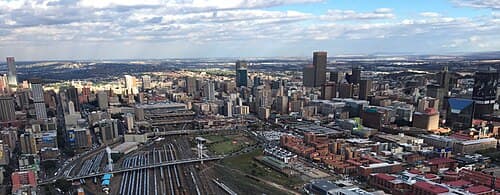
Johannesburg
LOCATION3 w/ the·3 w/ Department
European Parliament
ORGANIZATION3 w/ the·3 w/ Department
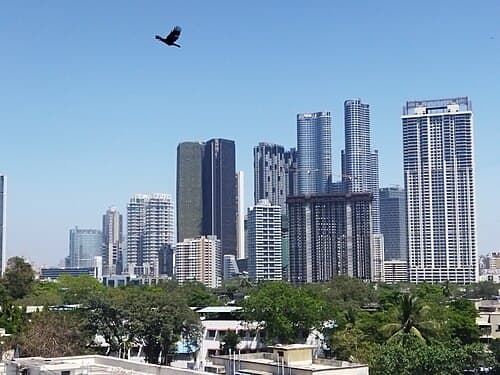
Mumbai
LOCATION3 w/ the·3 w/ Department
Norway
LOCATION3 w/ the·3 w/ Department
Madrid
LOCATION3 w/ the·3 w/ Department
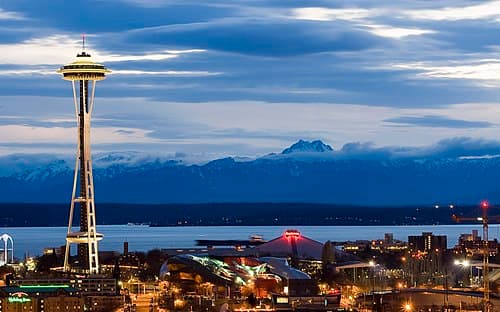
Seattle
LOCATION3 w/ the·3 w/ Department
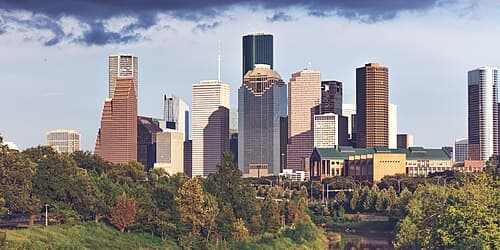
Houston
LOCATION3 w/ the·3 w/ Department
Oregon
LOCATION3 w/ the·3 w/ Department
Delhi
LOCATION3 w/ the·3 w/ Department
Nepal
LOCATION3 w/ the·3 w/ Department