Back to Network















10
Shared Docs
10
Same-Page
10 / 10
Mentions
Document Mentions (10 shared documents)
2 mentions1 same-page
Page ?Same page
(E.D.N.Y. 2010) 300 United States v. Barlow, 732 F. Supp. 2d I (E.D.N.Y. 2010), aff'd, 479 F. App'x 372 (2d Cir. 2012) 300, 302 United States v. Barnes, 520 F. Supp. 2d 510 (S.D.N.Y. 2007) 300 United States v. Batchelder, 442 U.S. 114 (1979) 265 United States v. Bejasa, 904 F.2d 137 (2d Cir. 1
83 (1977) 76, 79, 80, 82 United States v. Mahabub, No. 13 Cr. 908 (AJN), 2014 WL 4243657 (S.D.N.Y. Aug. 26, 2014) 266, 268, 269 United States v. Mandell, 710 F. Supp. 2d 368 (S.D.N.Y. 2010) 267 United States v. Marcus, 628 F.3d 36 (2d Cir. 2010) 248 United States v. Marianna Vljua, No. 15 Cr. 2
2 mentions1 same-page
Page ?Same page
favored and strongly suggested that the absolute disparity theory is generally appropriate, see Rioux, 97 F.3d at 655-56; see also United States v. Barnes, 520 F. Supp. 2d 510,514 (S.D.N.Y.2007) ("Mlle absolute disparity approach is the primary approach used in this Circuit."). The "absolute disparity
inous discovery in combination with some guidanceabout what is most relevant can vitiate a need for further particulars, see, e.g., United States v. Mandell, 710 F. Supp. 2d 368, 385 (S.D.N.Y. 2010) (denying request for particularization of alleged misrepresentations where the indictment was thirty-four
2 mentions1 same-page
Page ?Same page
(E.D.N.Y. 2010) 300 United States v. Barlow, 732 F. Supp. 2d 1 (E.D.N.Y. 2010), aff'd, 479 F. App'x 372 (2d Cir. 2012) 300, 302 United States v. Barnes, 520 F. Supp. 2d 510 (S.D.N.Y. 2007) 300 United States v. Batchelder, 442 U.S. 114 (1979) 265 United States v. Bejasa, 904 F.2d 137 (2d Cir. 1
783 (1977) 76, 79, 80, 82 United States v. Mahabub, No. 13 Cr. 908 (MN), 2014 WL 4243657 (S.D.N.Y. Aug. 26, 2014) 266, 268, 269 United States v. Mandell, 710 F. Supp. 2d 368 (S.D.N.Y. 2010) 267 United States v. Marcus, 628 F.3d 36 (2d Cir. 2010) 248 United States v. Mariamma Vijua, No. 15 Cr. 2
Sponsored
2 mentions1 same-page
Page ?Same page
favored and strongly suggested that the absolute disparity theory is generally appropriate, see Rioux, 97 F.3d at 655-56; see also United States v. Barnes, 520 F. Supp. 2d 510, 514 (S.D.N.Y. 2007) ("[T]he absolute disparity approach is the primary approach used in this Circuit."). The "absolute dispar
nous discovery in combination with some guidance about what is most relevant can vitiate a need for further particulars, see, e.g., United States v. Mandell, 710 F. Supp. 2d 368, 385 (S.D.N.Y. 2010) (denying request for particularization of alleged misrepresentations where the indictment was thirty-four
2 mentions1 same-page
Page ?Same page
(E.D.N.Y. 2010) 300 United States v. Barlow, 732 F. Supp. 2d 1 (E.D.N.Y. 2010), aff'd, 479 F. App'x 372 (2d Cir. 2012) 300, 302 United States v. Barnes, 520 F. Supp. 2d 510 (S.D.N.Y. 2007) 300 United States v. Batchelder, 442 U.S. 114 (1979) 265 United States v. Bejasa, 904 F.2d 137 (2d Cir. 1
783 (1977) 76, 79, 80, 82 United States v. Mahabub, No. 13 Cr. 908 (MN), 2014 WL 4243657 (S.D.N.Y. Aug. 26, 2014) 266, 268, 269 United States v. Mandell, 710 F. Supp. 2d 368 (S.D.N.Y. 2010) 267 United States v. Marcus, 628 F.3d 36 (2d Cir. 2010) 248 United States v. Mariamma Vijua, No. 15 Cr. 2
2 mentions1 same-page
Page ?Same page
favored and strongly suggested that the absolute disparity theory is generally appropriate, see Rioux, 97 F.3d at 655-56; see also United States v. Barnes, 520 F. Supp. 2d 510, 514 (S.D.N.Y. 2007) ("[T]he absolute disparity approach is the primary approach used in this Circuit."). The "absolute dispar
nous discovery in combination with some guidance about what is most relevant can vitiate a need for further particulars, see, e.g., United States v. Mandell, 710 F. Supp. 2d 368, 385 (S.D.N.Y. 2010) (denying request for particularization of alleged misrepresentations where the indictment was thirty-four
Sponsored
2 mentions1 same-page
Page ?Same page
ted States v. Bahna, 68 F.3d 19 (2d Cir. 1995) passim United States v. Barlow, 732 F. Supp. 2d 1 (E.D.N.Y. 2010) 207, 208, 210 United States v. Barnes, 520 F. Supp. 2d 510 (S.D.N.Y. 2007) 207 United States v. Batchelder, 442 U.S. 114 (1979) 173 United States v. Bejasa, 904 F.2d 137 (2d Cir. 1
S. 783 (1977) 52, 53, 54, 55 United States v. Mahabub, 13 Cr. 908 (AJN), 2014 WL 4243657 (S.D.N.Y. Aug. 26, 2014) 174, 176, 177 United States v. Mandell, 710 F. Supp. 2d 368 (S.D.N.Y. 2010) 175 United States v. Marcus, 628 F.3d 36 (2d Cir. 2010) 163 United States v. Marion, 404 U.S. 307 (1971)
2 mentions1 same-page
Page ?Same page
favored and strongly suggested that the absolute disparity theory is generally appropriate, see Rioux, 97 F.3d at 655-56; see also United States v. Barnes, 520 F. Supp. 2d 510, 514 (S.D.N.Y. 2007) ("[T]he absolute disparity approach is the primary approach used in this Circuit."). The "absolute dispar
nous discovery in combination with some guidance about what is most relevant can vitiate a need for further particulars, see, e.g., United States v. Mandell, 710 F. Supp. 2d 368, 385 (S.D.N.Y. 2010) (denying request for particularization of alleged misrepresentations where the indictment was thirty-four
2 mentions1 same-page
Page ?Same page
(E.D.N.Y. 2010) 300 United States v. Barlow, 732 F. Supp. 2d 1 (E.D.N.Y. 2010), aff'd, 479 F. App'x 372 (2d Cir. 2012) 300, 302 United States v. Barnes, 520 F. Supp. 2d 510 (S.D.N.Y. 2007) 300 United States v. Batchelder, 442 U.S. 114 (1979) 265 United States v. Bejasa, 904 F.2d 137 (2d Cir. 1
783 (1977) 76, 79, 80, 82 United States v. Mahabub, No. 13 Cr. 908 (MN), 2014 WL 4243657 (S.D.N.Y. Aug. 26, 2014) 266, 268, 269 United States v. Mandell, 710 F. Supp. 2d 368 (S.D.N.Y. 2010) 267 United States v. Marcus, 628 F.3d 36 (2d Cir. 2010) 248 United States v. Mariamma Vijua, No. 15 Cr. 2
Sponsored
2 mentions1 same-page
Page ?Same page
avored and strongly suggested that the absolute disparity theory is generally appropriate, see Rioter, 97 F.3d at 655-56; see also United States v. Barnes, 520 F. Supp. 2d 510, 514 (S.D.N.Y. 2007) ("[T]he absolute disparity approach is the primary approach used in this Circuit."). The "absolute dispar
nous discovery in combination with some guidance about what is most relevant can vitiate a need for further particulars, see, e.g., United States v. Mandell, 710 F. Supp. 2d 368, 385 (S.D.N.Y. 2010) (denying request for particularization of alleged misrepresentations where the indictment was thirty-four
Sponsored
Mutual Connections (493)
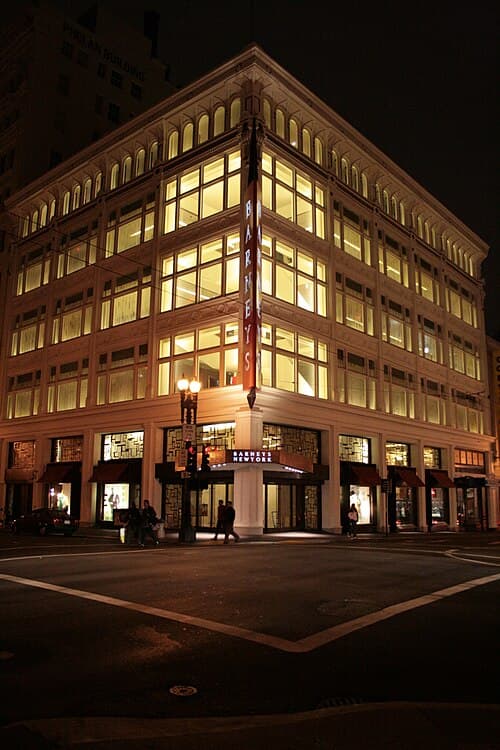
Entities connected to both Barneys New York and Mandell
Jeffrey Epstein
PERSON239 w/ Barneys·18 w/ Mandell
United States
LOCATION114 w/ Barneys·15 w/ Mandell
LB
Leon Black
PERSON116 w/ Barneys·7 w/ Mandell
Prince Andrew
PERSON111 w/ Barneys·10 w/ Mandell
Ghislaine Maxwell
PERSON96 w/ Barneys·16 w/ Mandell
Department of Justice
ORGANIZATION102 w/ Barneys·9 w/ Mandell
Donald Trump
PERSON109 w/ Barneys·2 w/ Mandell
Julie K. Brown
PERSON99 w/ Barneys·8 w/ Mandell
Scarlett Johansson
PERSON94 w/ Barneys·12 w/ Mandell
Virginia Giuffre
PERSON97 w/ Barneys·5 w/ Mandell
Michael Jackson
PERSON97 w/ Barneys·5 w/ Mandell
ET
Emmy Taylor
PERSON89 w/ Barneys·12 w/ Mandell
Prince Charles
PERSON97 w/ Barneys·2 w/ Mandell
John F. Kennedy
PERSON82 w/ Barneys·10 w/ Mandell
George W. Bush
PERSON85 w/ Barneys·7 w/ Mandell
George Mitchell
PERSON81 w/ Barneys·5 w/ Mandell
Colorado
LOCATION77 w/ Barneys·5 w/ Mandell
Michigan
LOCATION74 w/ Barneys·7 w/ Mandell
Eric Trump
PERSON77 w/ Barneys·3 w/ Mandell
Minnesota
LOCATION70 w/ Barneys·6 w/ Mandell