Back to Network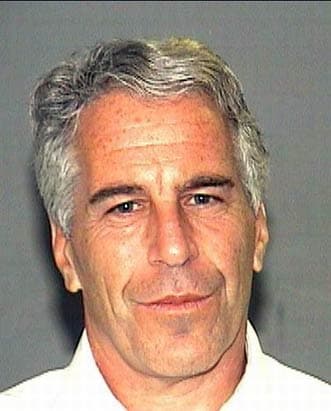




5
Shared Docs
5
Same-Page
5 / 5
Mentions
Document Mentions (5 shared documents)
2 mentions1 same-page
Page ?Same page
knowledge of the scheme's existence. A defendant may commit perjury by falsely denying memory or knowledge of an event. See, e.g., United States v. Alberti, 568 F.2d 617, 625 (2d Cir. 1977); United States v. Weiner, 479 F.2d 923, 926, 929 (2d Cir. 1973); Forde, 740 F. Supp. 2d at 410-11. Viewing the qu
s "are violated only when the challenged conduct invaded his legitimate expectation of privacy rather than that of a third party." United States v. Payner, 447 U.S. 727, 731 (1980) (emphasis in original); see also United States v. Villegas, 899 F.2d 1324, 1333 (2d Cir. 1990). Ultimately, the Fourth Ame
2 mentions1 same-page
Page ?Same page
knowledge of the scheme's existence. A defendant may commit perjury by falsely denying memory or knowledge of an event. See, e.g., United States v. Alberti, 568 F.2d 617, 625 (2d Cir. 1977); United States v. Weiner, 479 F.2d 923, 926, 929 (2d Cir. 1973); Forde, 740 F. Supp. 2d at 410-11. Viewing the qu
s "are violated only when the challenged conduct invaded his legitimate expectation of privacy rather than that of a third party." United States v. Payner, 447 U.S. 727, 731 (1980) (emphasis in original); see also United States v. Villegas, 899 F.2d 1324, 1333 (2d Cir. 1990). Ultimately, the Fourth Ame
2 mentions1 same-page
Page ?Same page
knowledge of the scheme's existence. A defendant may commit perjury by falsely denying memory or knowledge of an event. See, e.g., United States v. Alberti, 568 F.2d 617, 625 (2d Cir. 1977); United States v. Weiner, 479 F.2d 923, 926, 929 (2d Cir. 1973); Forde, 740 F. Supp. 2d at 410-11. Viewing the qu
s "are violated only when the challenged conduct invaded his legitimate expectation of privacy rather than that of a third party." United States v. Payner, 447 U.S. 727, 731 (1980) (emphasis in original); see also United States v. Villegas, 899 F.2d 1324, 1333 (2d Cir. 1990). Ultimately, the Fourth Ame
Sponsored
2 mentions1 same-page
Page ?Same page
knowledge of the scheme's existence. A defendant may commit perjury by falsely denying memory or knowledge of an event. See, e.g., United States v. Alberti, 568 F.2d 617, 625 (2d Cir. 1977); United States v. Weiner, 479 F.2d 923, 926, 929 (2d Cir. 1973); Forde, 740 F. Supp. 2d at 410-11. Viewing the qu
s "are violated only when the challenged conduct invaded his legitimate expectation of privacy rather than that of a third party." United States v. Payner, 447 U.S. 727, 731 (1980) (emphasis in original); see also United States v. Viliegas, 899 F.2d 1324, 1333 (2d Cir. 1990). Ultimately, the Fourth Ame
2 mentions1 same-page
Page ?Same page
knowledge of the scheme's existence. A defendant may commit perjury by falsely denying memory or knowledge of an event. See, e.g., United States v. Alberti, 568 F.2d 617, 625 (2d Cir. 1977); United States v. Weiner, 479 F.2d 923, 926, 929 (2d Cir. 1973); Forde, 740 F. Supp. 2d at 410-11. Viewing the qu
s "are violated only when the challenged conduct invaded his legitimate expectation of privacy rather than that of a third party." United States v. Payner, 447 U.S. 727, 731 (1980) (emphasis in original); see also United States v. Villegas, 899 F.2d 1324, 1333 (2d Cir. 1990). Ultimately, the Fourth Ame
Sponsored
Mutual Connections (264)
Entities connected to both Alberti and Payner
Jeffrey Epstein
PERSON14 w/ Alberti·13 w/ Payner
Julie K. Brown
PERSON12 w/ Alberti·12 w/ Payner
Ghislaine Maxwell
PERSON11 w/ Alberti·13 w/ Payner
CM
Colleen McMahon
PERSON10 w/ Alberti·13 w/ Payner
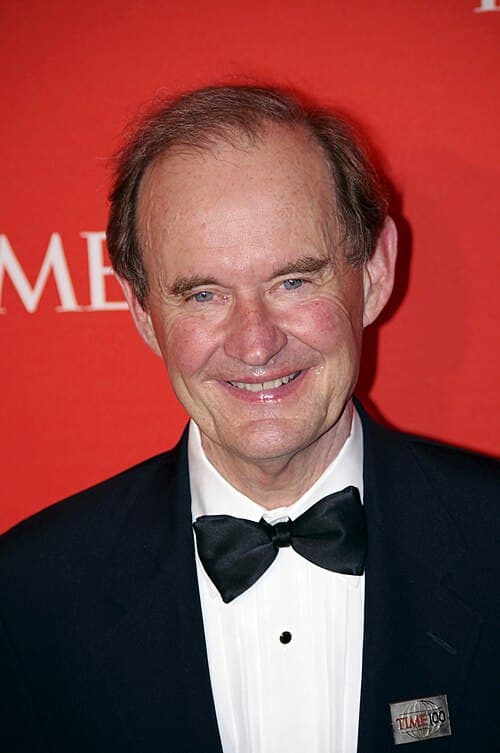
David Boies
PERSON10 w/ Alberti·13 w/ Payner
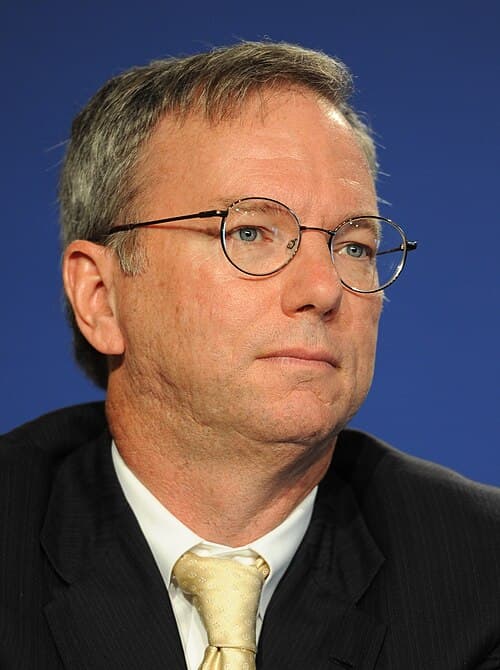
Eric Schmidt
PERSON10 w/ Alberti·13 w/ Payner
MA
Martindell
PERSON10 w/ Alberti·12 w/ Payner
United States
LOCATION10 w/ Alberti·11 w/ Payner
the Southern District
LOCATION10 w/ Alberti·11 w/ Payner
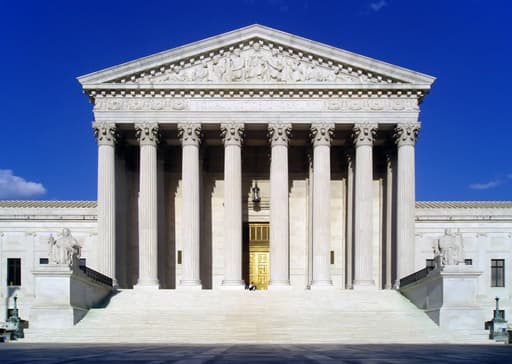
Supreme Court
ORGANIZATION11 w/ Alberti·10 w/ Payner
Carpenter
PERSON10 w/ Alberti·10 w/ Payner
FI
Fisher
PERSON10 w/ Alberti·10 w/ Payner
the Second Circuit's
ORGANIZATION10 w/ Alberti·10 w/ Payner
CA
Canfield
PERSON10 w/ Alberti·10 w/ Payner
Andover Data Servs
ORGANIZATION9 w/ Alberti·9 w/ Payner
Bradley Edwards
PERSON10 w/ Alberti·8 w/ Payner
SW
Sweet
PERSON10 w/ Alberti·7 w/ Payner
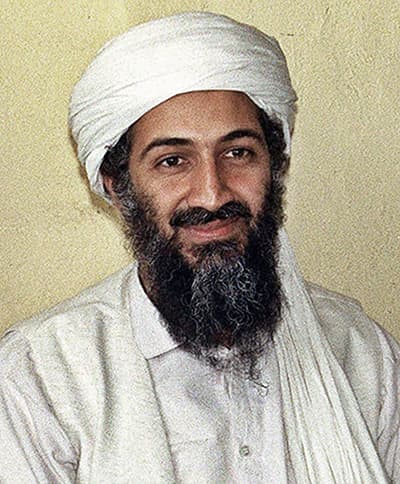
Bin Laden
PERSON11 w/ Alberti·5 w/ Payner
Colorado
LOCATION11 w/ Alberti·5 w/ Payner
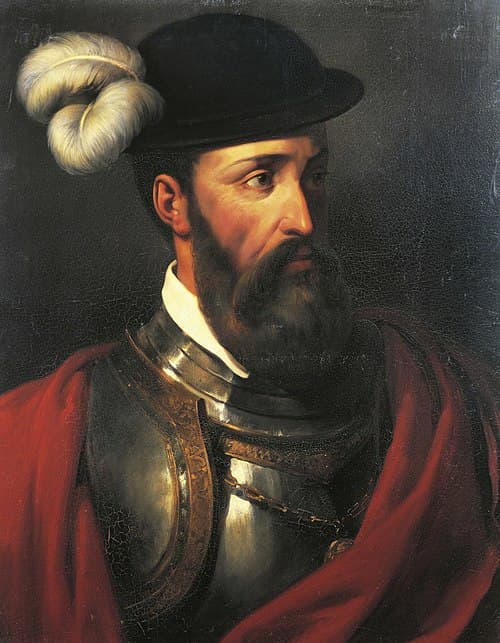
Pizarro
PERSON10 w/ Alberti·5 w/ Payner