Back to Network



5
Shared Docs
5
Same-Page
5 / 5
Mentions
Document Mentions (5 shared documents)
2 mentions1 same-page
Page ?Same page
ll gaze directed at me, seeing in me w"ith hope and hate the source of forbidden knowledge. Girl in glasses comes up to my desk to ask: "Professor Kafka, do you want us to say that . . . ? Or do you want us to answer only the first part of the question?" The great fraternity of C-minus, backbone of
wed by emigre readers but were absolutely banned in Soviet Russia-- as they still are (except in the case of a few dead authors such as Kuprin and Bunin, whose heavily censored works have been recently reprinted there), no matter the theme of the story or poem. An emigre novel, published, say, in Pa
2 mentions1 same-page
Page ?Same page
ull gaze directed at me, seeing in me with hope and hate the source of forbidden knowledge. Girl in glasses comes up to my desk to ask: "Professor Kafka, do you want us to say that . . . ? Or do you want us to answer only the first part of the question?" The great fraternity of C-minus, backbone of
wed by emigre readers but were absolutely banned in Soviet Russia-- as they still are (except in the case of a few dead authors such as Kuprin and Bunin, whose heavily censored works have been recently reprinted there), no matter the theme of the story or poem. An emigre novel, published, say, in Pa
2 mentions1 same-page
Page ?Same page
ull gaze directed at me, seeing in me with hope and hate the source of forbidden knowledge. Girl in glasses comes up to my desk to ask: "Professor Kafka, do you want us to say that ... ? Or do you want us to answer only the first part of the question?" The great fraternity of C-minus, backbone of th
wed by emigre readers but were absolutely banned in Soviet Russia-- as they still are (except in the case of a few dead authors such as Kuprin and Bunin, whose heavily censored works have been recently reprinted there), no matter the theme of the story or poem. An emigre novel, published, say, in Pa
Sponsored
2 mentions1 same-page
Page ?Same page
ull gaze directed at me, seeing in me with hope and hate the source of forbidden knowledge. Girl in glasses comes up to my desk to ask: "Professor Kafka, do you want us to say that ... ? Or do you want us to answer only the first part of the question?" The great fraternity of C-minus, backbone of th
wed by emigre readers but were absolutely banned in Soviet Russia-- as they still are (except in the case of a few dead authors such as Kuprin and Bunin, whose heavily censored works have been recently reprinted there), no matter the theme of the story or poem. An emigre novel, published, say, in Pa
Sponsored
Mutual Connections (82)
Entities connected to both Kafka and Bunin
Marc Rich
PERSON18 w/ Kafka·5 w/ Bunin
United States
LOCATION7 w/ Kafka·5 w/ Bunin
Keats
PERSON6 w/ Kafka·5 w/ Bunin
Michael Douglas
PERSON6 w/ Kafka·5 w/ Bunin
Sherlock Holmes
PERSON6 w/ Kafka·5 w/ Bunin
Chekhov
PERSON6 w/ Kafka·5 w/ Bunin
UL
Ulysses
PERSON6 w/ Kafka·5 w/ Bunin
Maine
LOCATION5 w/ Kafka·5 w/ Bunin
CO
Conrad
PERSON5 w/ Kafka·5 w/ Bunin
Browning
PERSON5 w/ Kafka·5 w/ Bunin
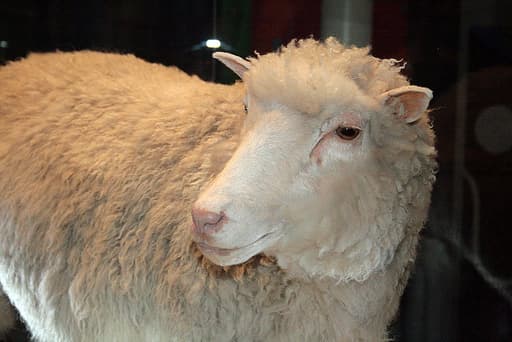
Dolly
PERSON5 w/ Kafka·5 w/ Bunin
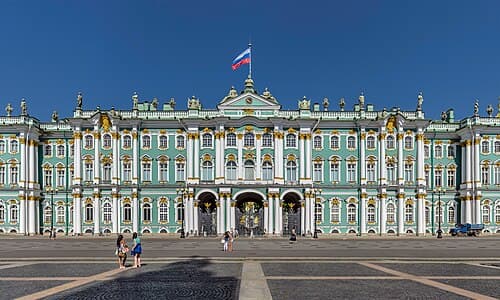
St. Petersburg
LOCATION5 w/ Kafka·5 w/ Bunin
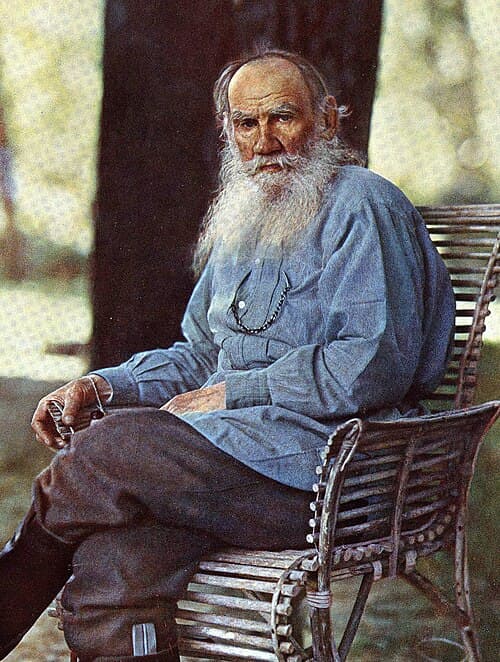
Tolstoy
PERSON5 w/ Kafka·5 w/ Bunin
Western Europe
LOCATION5 w/ Kafka·5 w/ Bunin
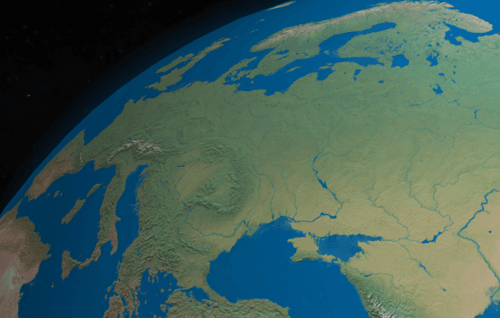
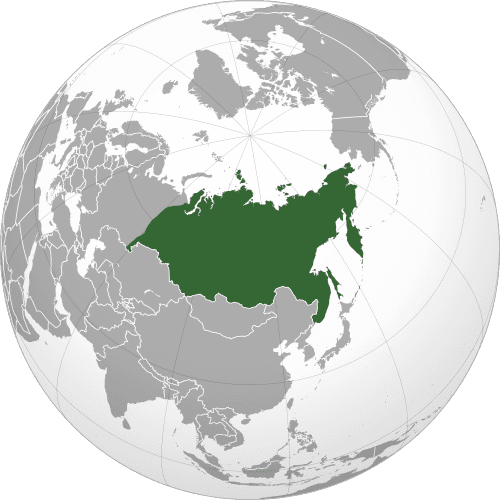
Siberia
LOCATION5 w/ Kafka·5 w/ Bunin
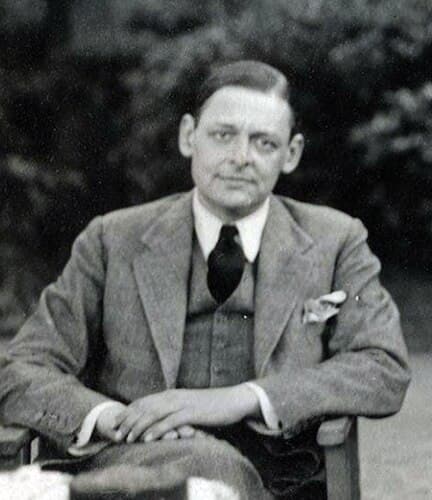
Eliot
PERSON5 w/ Kafka·5 w/ Bunin
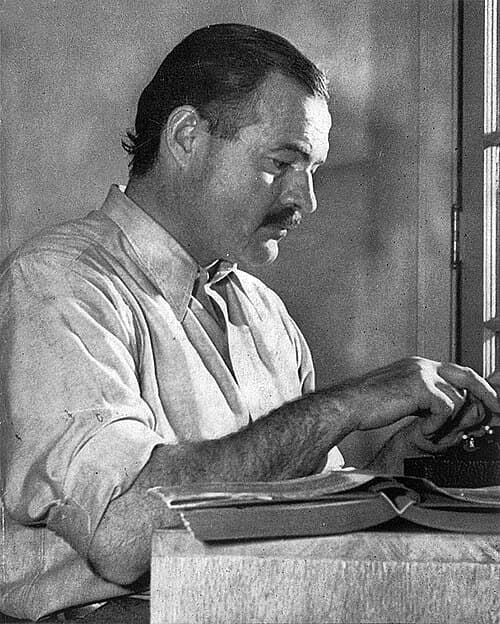
Hemingway
PERSON5 w/ Kafka·5 w/ Bunin
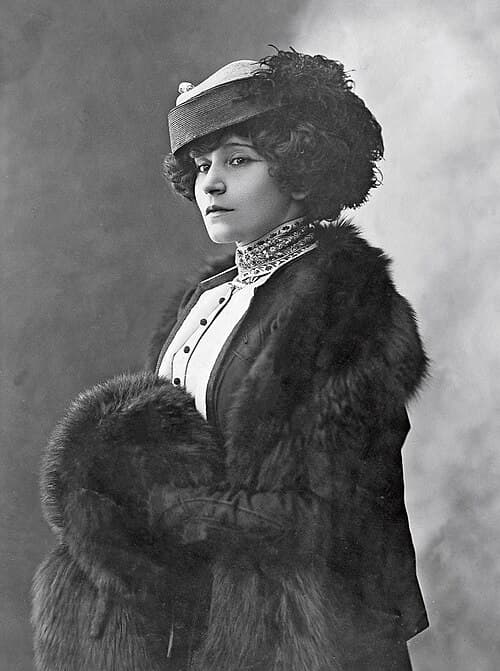
Colette
PERSON5 w/ Kafka·5 w/ Bunin
Eugene
PERSON5 w/ Kafka·5 w/ Bunin
Gogol
PERSON5 w/ Kafka·5 w/ Bunin