Back to Network










5
Shared Docs
4
Same-Page
5 / 5
Mentions
Document Mentions (5 shared documents)
2 mentions1 same-page
Page HOUSE_OVERSIGHT_031988Same page
stration the market in derivatives expanded, and alarms about the dangers of this type of investment were ignored. Raghuram Rajan, chief economist at the International Monetary Fund, presented a paper in 2005 warning of a "catastrophic meltdown" and was as a "Luddite" Meanwhile, some investment bankers - at Goldman Sachs in parti
Page: HOUSE_OVERSIGHT_031988 →dministration. And with each administration the market in derivatives expanded, and alarms about the dangers of this type of investment were ignored. Raghuram Rajan, chief economist at the International Monetary Fund, presented a paper in 2005 warning of a "catastrophic meltdown" and was as a "Luddite" Meanwhile,
Page: HOUSE_OVERSIGHT_031988 →2 mentions1 same-page
Page ?Same page
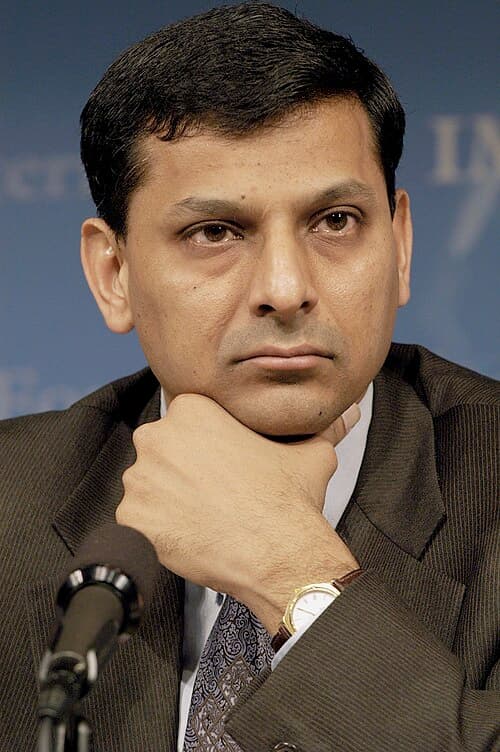
ers into their own hands. Raghuram Rajan is a professor of finance at the University of Chicago's Booth School of Business. He previously served as the International Monetary Fund's youngest-ever chief economist, and was Chairman of India's Committee on Financial Sector Reforms. He is the author of Fault Lines: How Hidden Fract
Indeed, in some respects, they are actually better off with an isolated and sanctioned Iran. Artick 5. Project Syndicate What Happened to India? Raghuram Rajan 08 June 2012 -- Emerging markets around the world — Brazil, China, India, and Russia, to name the largest — are slowing. One reason is that they con
2 mentions1 same-page
Page ?Same page
ion the market in derivatives expanded, and alarms ab=ut the dangers of this type of investment were ignored. Raghuram Rajan, ch=ef economist at the International Monetary=Fund EFTA_R1_01680970 EFTA02535414 chttp://topics.nytimes.com/topireferenceitimestopics/org=nizations/i/internationalmonetary_fund/index.html?inline
inistration. And=with each administration the market in derivatives expanded, and alarms ab=ut the dangers of this type of investment were ignored. Raghuram Rajan, ch=ef economist at the International Monetary=Fund EFTA_R1_01680970 EFTA02535414 chttp://topics.nytimes.com/topireferenceitimestopics/org=nizati
Sponsored
2 mentions1 same-page
Page ?Same page
ion the market in derivatives expanded, and alarms ab=ut the dangers of this type of investment were ignored. Raghuram Rajan, ch=ef economist at the International Monetary=Fund <http://topics.nytimes.com/top/reference/timestopics/orrnizations/i/international_monetary_fund/index.html?inline EFTA_R1_01681109 EFTA02535508
inistration. And=with each administration the market in derivatives expanded, and alarms ab=ut the dangers of this type of investment were ignored. Raghuram Rajan, ch=ef economist at the International Monetary=Fund <http://topics.nytimes.com/top/reference/timestopics/orrnizations/i/international_monetary_fund/
Page HOUSE_OVERSIGHT_019401
UNTRIES *Kose, M. Ayhan, Eswar Prasad, Kenneth Rogoff and Shang-Jin Wei, “Financial Globalization, A Reappraisal,” December 2006 (revised version of International Monetary Fund, Working Paper WP/06/189, August 2006). IX. WHY MONEY FLOWS FROM NORTH TO SOUTH *Moral Hazard: Obstfeld and Rogoff: pp. 407- 419. Externalities
Page: HOUSE_OVERSIGHT_019401 →Page HOUSE_OVERSIGHT_019402
Bolton, Patrick, Tony Santos and Jose Scheinkman, “Inside and Outside Liquidity,” mimeo, Princeton University, March 30, 2009, Diamond, Douglas and Raghuram Rajan, “Liquidity Shortages and Banking Crises,” NBER working paper 10071, October 2003. Bolton, Patrick, and Mathias Dewatripont, Contract Theory, Cambri
Page: HOUSE_OVERSIGHT_019402 →Sponsored
Mutual Connections (27)
Entities connected to both International Monetary Fund and Raghuram Rajan
Jeffrey Epstein
PERSON33 w/ International·7 w/ Raghuram
George W. Bush
PERSON23 w/ International·9 w/ Raghuram
Bill Clinton
PERSON21 w/ International·8 w/ Raghuram
Saddam Hussein
PERSON16 w/ International·8 w/ Raghuram
Barack Obama
PERSON19 w/ International·4 w/ Raghuram
Marc Rich
PERSON17 w/ International·4 w/ Raghuram
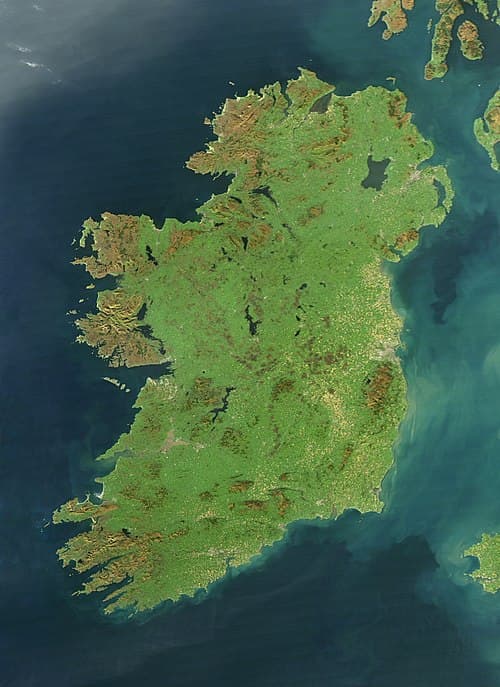
Ireland
LOCATION10 w/ International·8 w/ Raghuram
Ronald Reagan
PERSON8 w/ International·8 w/ Raghuram
Lawrence Krauss
PERSON11 w/ International·4 w/ Raghuram
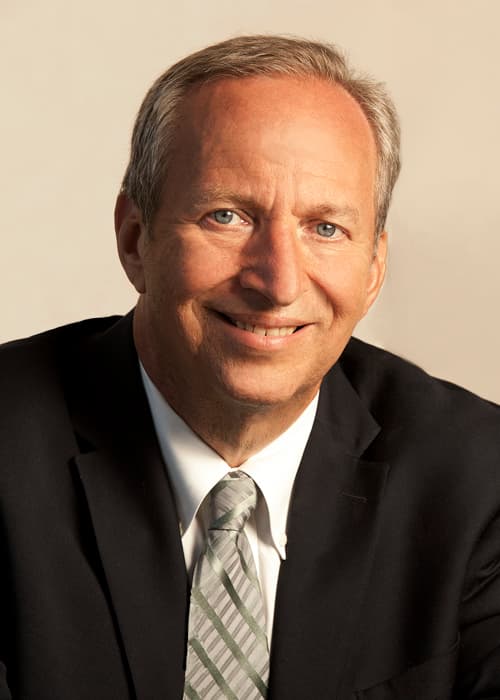
Larry Summers
PERSON7 w/ International·8 w/ Raghuram
Prince Andrew
PERSON10 w/ International·2 w/ Raghuram
Matt Damon
PERSON4 w/ International·7 w/ Raghuram
HE
Hester
PERSON3 w/ International·7 w/ Raghuram
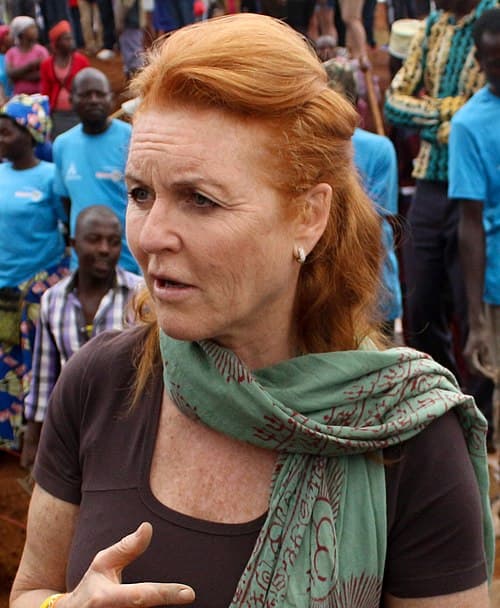
Sarah Ferguson
PERSON6 w/ International·3 w/ Raghuram
Alan Dershowitz
PERSON6 w/ International·3 w/ Raghuram
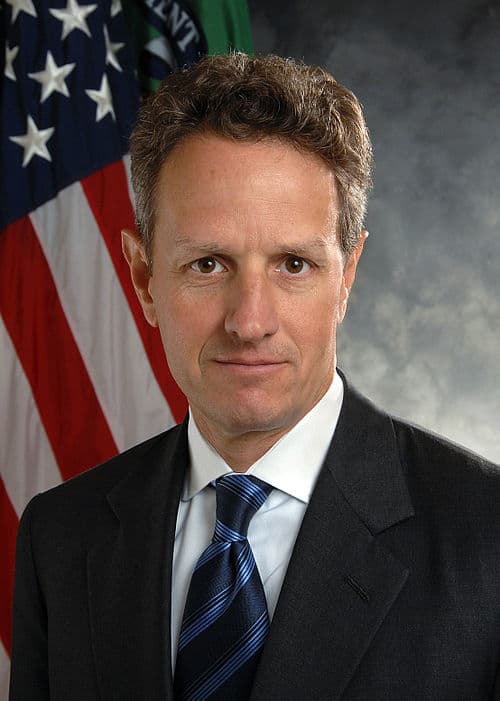
Timothy F. Geithner
PERSON4 w/ International·5 w/ Raghuram
Nathaniel Hawthorne
PERSON3 w/ International·4 w/ Raghuram
Alan Greenspan
PERSON2 w/ International·5 w/ Raghuram
Ben Bernanke
PERSON2 w/ International·4 w/ Raghuram
Bernanke
PERSON2 w/ International·3 w/ Raghuram