Back to Network












4
Shared Docs
4
Same-Page
4 / 4
Mentions
Document Mentions (4 shared documents)
2 mentions1 same-page
Page ?Same page
nces are intimately bound up in the idea of an impending technological singularity. His work on neuroscience and his initial support of McCulloch and Pitts adumbrated the startlingly effective deep-learning methods of the present day. Over the past decade, and particularly in the last five years, such de
ons” (as Kant put it) presented to them. It is important that we keep it that way, which will take some doing. One of the flaws in Weizenbaum’s book Computer Power and Human Reason, something I tried in vain to convince him of in many hours of discussion, is that he could never decide which of two theses he wanted to defend: AJ
2 mentions1 same-page
Page ?Same page
ow it an abstract painting and see what it says. But it does a pretty good job. It works using the same neural-network technology that McCulloch and Pitts imagined in 1943 and lots of us worked on in the early eighties. Back in the 1980s, people successfully did OCR—optical character recognition. They t
e” software, hardware, and wetware; the Fair Access to Science and Technology Research Act (FASTR); and the Open Humans Foundation. In his 1976 book Computer Power and Human Reason, Joseph Weizenbaum argued that machines should not replace Homo in situations requiring respect, dignity, or care, while others (author Pamela McCord
2 mentions1 same-page
Page ?Same page
nces are intimately bound up in the idea of an impending technological singularity. His work on neuroscience and his initial support of McCulloch and Pitts adumbrated the startlingly effective deep-learning methods of the present day. Over the past decade, and particularly in the last five years, such de
ons” (as Kant put it) presented to them. It is important that we keep it that way, which will take some doing. One of the flaws in Weizenbaum’s book Computer Power and Human Reason, something I tried in vain to convince him of in many hours of discussion, is that he could never decide which of two theses he wanted to defend: AJ
Sponsored
2 mentions1 same-page
Page ?Same page
ow it an abstract painting and see what it says. But it does a pretty good job. It works using the same neural-network technology that McCulloch and Pitts imagined in 1943 and lots of us worked on in the early eighties. Back in the 1980s, people successfully did OCR—optical character recognition. They t
e” software, hardware, and wetware; the Fair Access to Science and Technology Research Act (FASTR); and the Open Humans Foundation. In his 1976 book Computer Power and Human Reason, Joseph Weizenbaum argued that machines should not replace Homo in situations requiring respect, dignity, or care, while others (author Pamela McCord
Sponsored
Mutual Connections (688)
Entities connected to both Pitts and Computer Power and Human Reason
Ghislaine Maxwell
PERSON14 w/ Pitts·4 w/ Computer
George W. Bush
PERSON12 w/ Pitts·5 w/ Computer
Samantha Power
PERSON11 w/ Pitts·5 w/ Computer
DB
Doug Band
PERSON10 w/ Pitts·5 w/ Computer
Prince Andrew
PERSON10 w/ Pitts·5 w/ Computer
Marc Rich
PERSON9 w/ Pitts·5 w/ Computer
Alan Dershowitz
PERSON9 w/ Pitts·5 w/ Computer
Eric Trump
PERSON10 w/ Pitts·4 w/ Computer
LB
Leon Black
PERSON9 w/ Pitts·5 w/ Computer
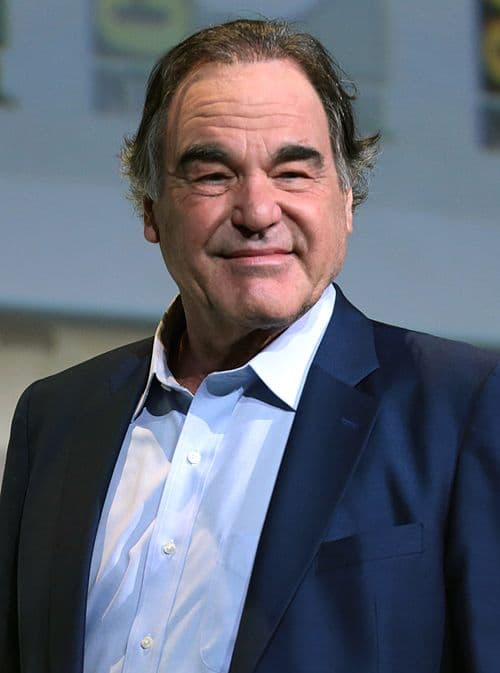
Oliver Stone
PERSON9 w/ Pitts·4 w/ Computer
Barack Obama
PERSON8 w/ Pitts·4 w/ Computer
Julie K. Brown
PERSON7 w/ Pitts·5 w/ Computer
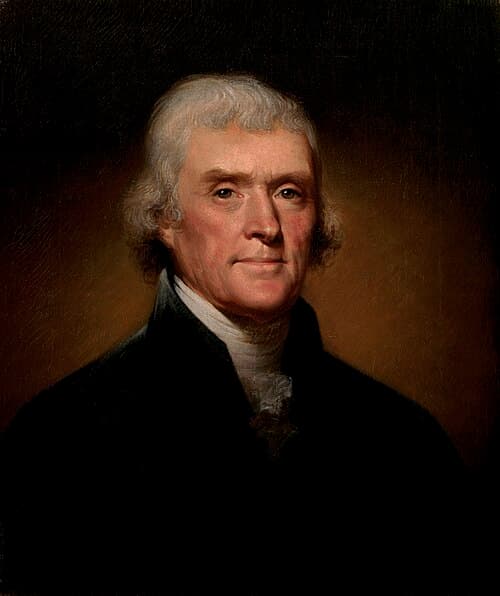
Thomas Jefferson
PERSON9 w/ Pitts·3 w/ Computer
Joe Biden
PERSON9 w/ Pitts·3 w/ Computer
Earth
LOCATION7 w/ Pitts·5 w/ Computer
John Brockman
PERSON7 w/ Pitts·4 w/ Computer
Harvey Weinstein
PERSON5 w/ Pitts·5 w/ Computer
Feynman
PERSON4 w/ Pitts·5 w/ Computer
Wilbur Ross
PERSON5 w/ Pitts·4 w/ Computer
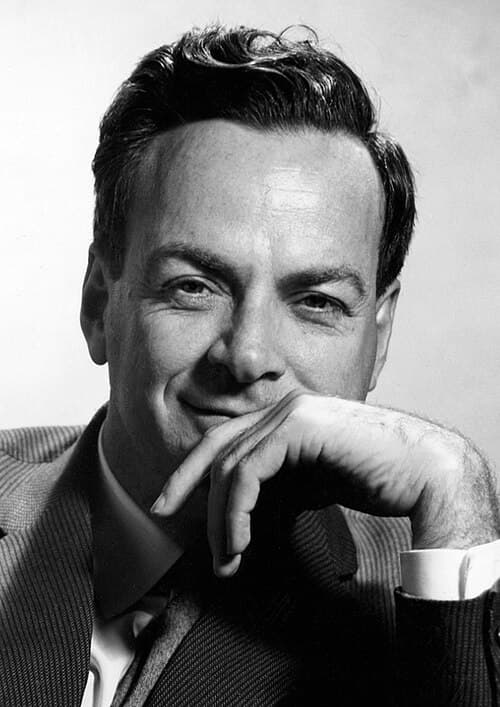
Richard Feynman
PERSON4 w/ Pitts·5 w/ Computer