Back to Network











4
Shared Docs
4
Same-Page
4 / 4
Mentions
Document Mentions (4 shared documents)
2 mentions1 same-page
Page ?Same page
d systems—1* order Cybernetics— moved to the Cybernetics of observing systems—2"™ order Cybernetics—or “the Cybernetics of Cybernetics”, as coined by Heinz von Foerster, who joined the Macy conferences in the mid 1950s, and spearheaded the new movement. Cybernetics, rather than disappearing, was becoming metabolized
of art history in the Department of Architecture at MIT and author of Eyesight Alone: Clement Greenberg’s Modernism and the Bureaucratization of the Senses; Machine in the Studio: Constructing the Postwar American Artist; and The Global Work of Art. David Kaiser is Germeshausen Professor of the History
2 mentions1 same-page
Page ?Same page
ge making, creativity, and the use of programming as artistic tools. The deep connections between science and art had already been noted by the late Heinz von Foerster, one of the architects of cybernetics, who worked with Norbert Wiener from the mid-1940s and in the 1960s founded the field of second-order cyberneti
of art history in the Department of Architecture at MIT and author of Eyesight Alone: Clement Greenberg’s Modernism and the Bureaucratization of the Senses; Machine in the Studio: Constructing the Postwar American Artist; and The Global Work of Art. Cybernated art is very important, but art for cybernat
2 mentions1 same-page
Page ?Same page
d systems—1* order Cybernetics— moved to the Cybernetics of observing systems—2"™ order Cybernetics—or “the Cybernetics of Cybernetics”, as coined by Heinz von Foerster, who joined the Macy conferences in the mid 1950s, and spearheaded the new movement. Cybernetics, rather than disappearing, was becoming metabolized
of art history in the Department of Architecture at MIT and author of Eyesight Alone: Clement Greenberg’s Modernism and the Bureaucratization of the Senses; Machine in the Studio: Constructing the Postwar American Artist; and The Global Work of Art. David Kaiser is Germeshausen Professor of the History
Sponsored
2 mentions1 same-page
Page ?Same page
ge making, creativity, and the use of programming as artistic tools. The deep connections between science and art had already been noted by the late Heinz von Foerster, one of the architects of cybernetics, who worked with Norbert Wiener from the mid-1940s and in the 1960s founded the field of second-order cyberneti
of art history in the Department of Architecture at MIT and author of Eyesight Alone: Clement Greenberg’s Modernism and the Bureaucratization of the Senses; Machine in the Studio: Constructing the Postwar American Artist; and The Global Work of Art. Cybernated art is very important, but art for cybernat
Sponsored
Mutual Connections (688)
Entities connected to both Heinz von Foerster and Senses
Julie K. Brown
PERSON7 w/ Heinz·4 w/ Senses
William Shakespeare
PERSON6 w/ Heinz·4 w/ Senses
George W. Bush
PERSON6 w/ Heinz·4 w/ Senses
Marc Rich
PERSON5 w/ Heinz·5 w/ Senses
Martha Stewart
PERSON6 w/ Heinz·4 w/ Senses
John Brockman
PERSON6 w/ Heinz·4 w/ Senses
Earth
LOCATION4 w/ Heinz·5 w/ Senses
Harvey Weinstein
PERSON4 w/ Heinz·5 w/ Senses
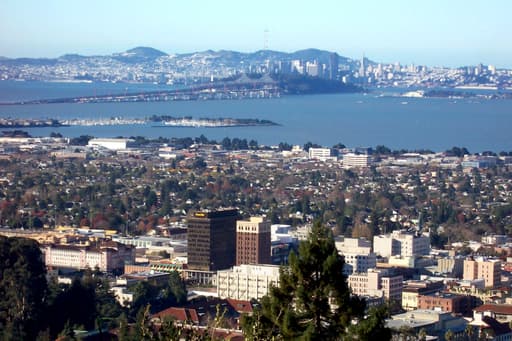
Berkeley
LOCATION5 w/ Heinz·4 w/ Senses
BA
Bateson
PERSON5 w/ Heinz·4 w/ Senses
Alan Dershowitz
PERSON5 w/ Heinz·4 w/ Senses
WI
Wiener
PERSON5 w/ Heinz·4 w/ Senses
Quantum
ORGANIZATION4 w/ Heinz·4 w/ Senses
the Royal Society
ORGANIZATION4 w/ Heinz·4 w/ Senses
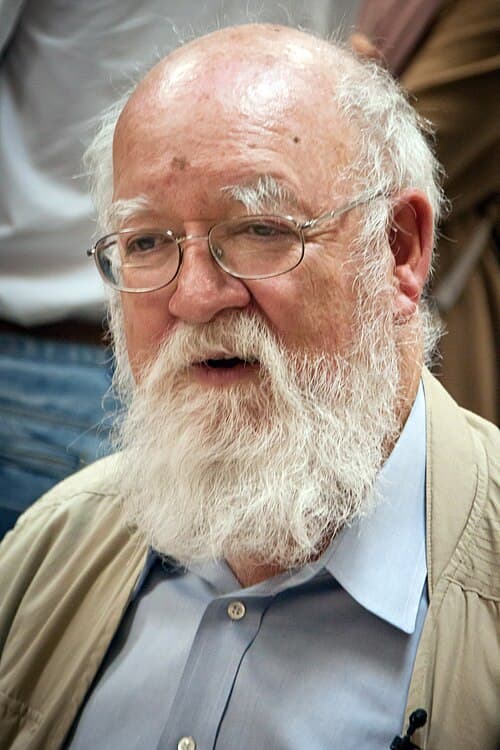
Daniel Dennett
PERSON4 w/ Heinz·4 w/ Senses
Alison Gopnik
PERSON4 w/ Heinz·4 w/ Senses
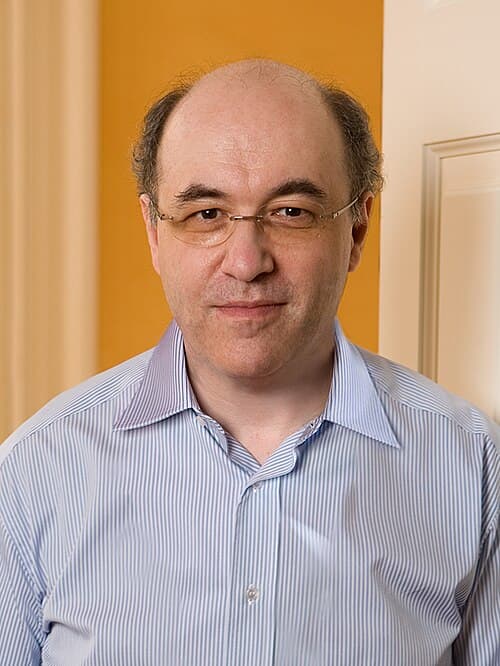
Stephen Wolfram
PERSON4 w/ Heinz·4 w/ Senses
Harvard-MIT
ORGANIZATION4 w/ Heinz·4 w/ Senses
Carpenter
PERSON4 w/ Heinz·4 w/ Senses
George M. Church
PERSON4 w/ Heinz·4 w/ Senses